Andrew Ross Sorkin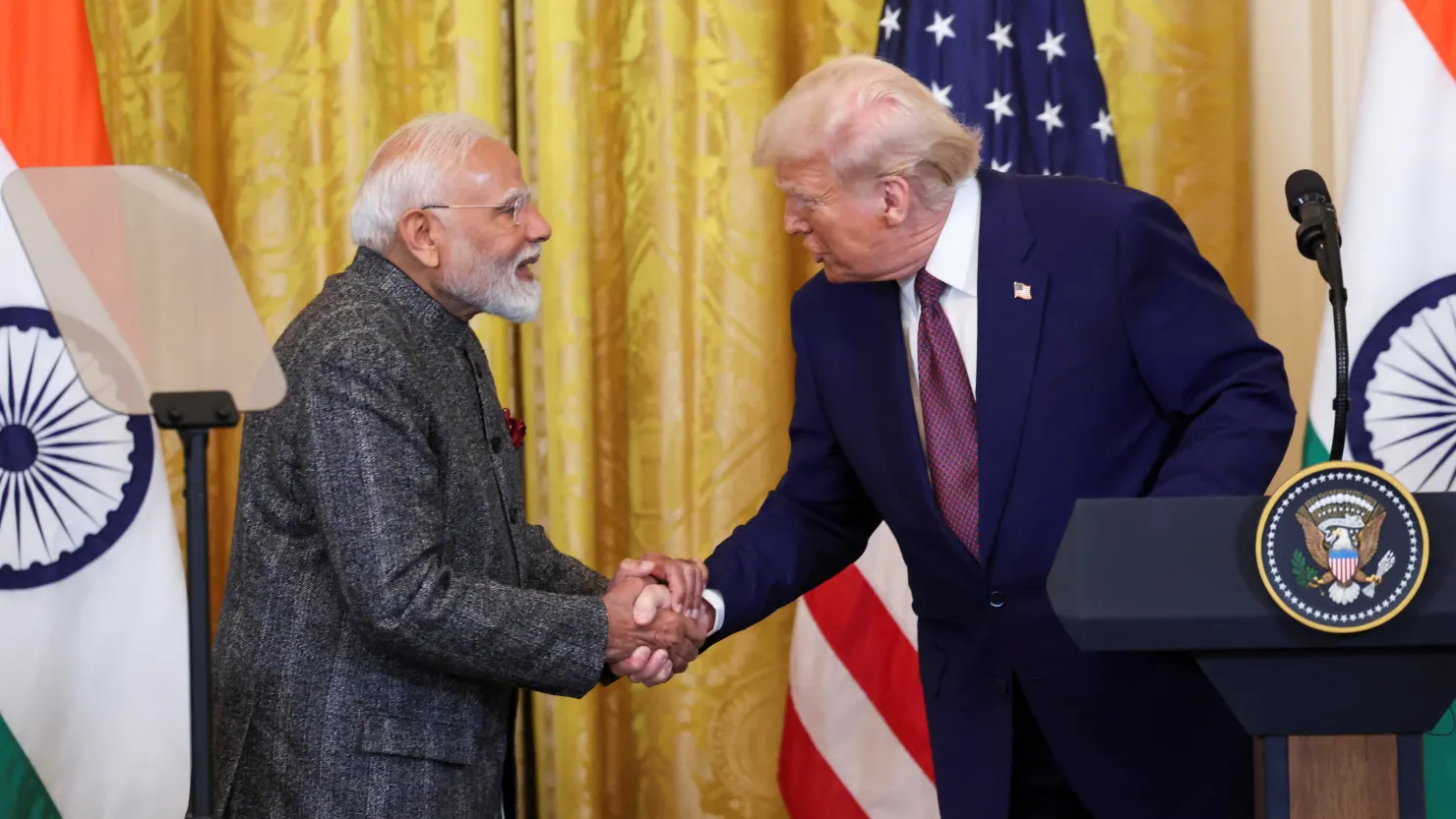
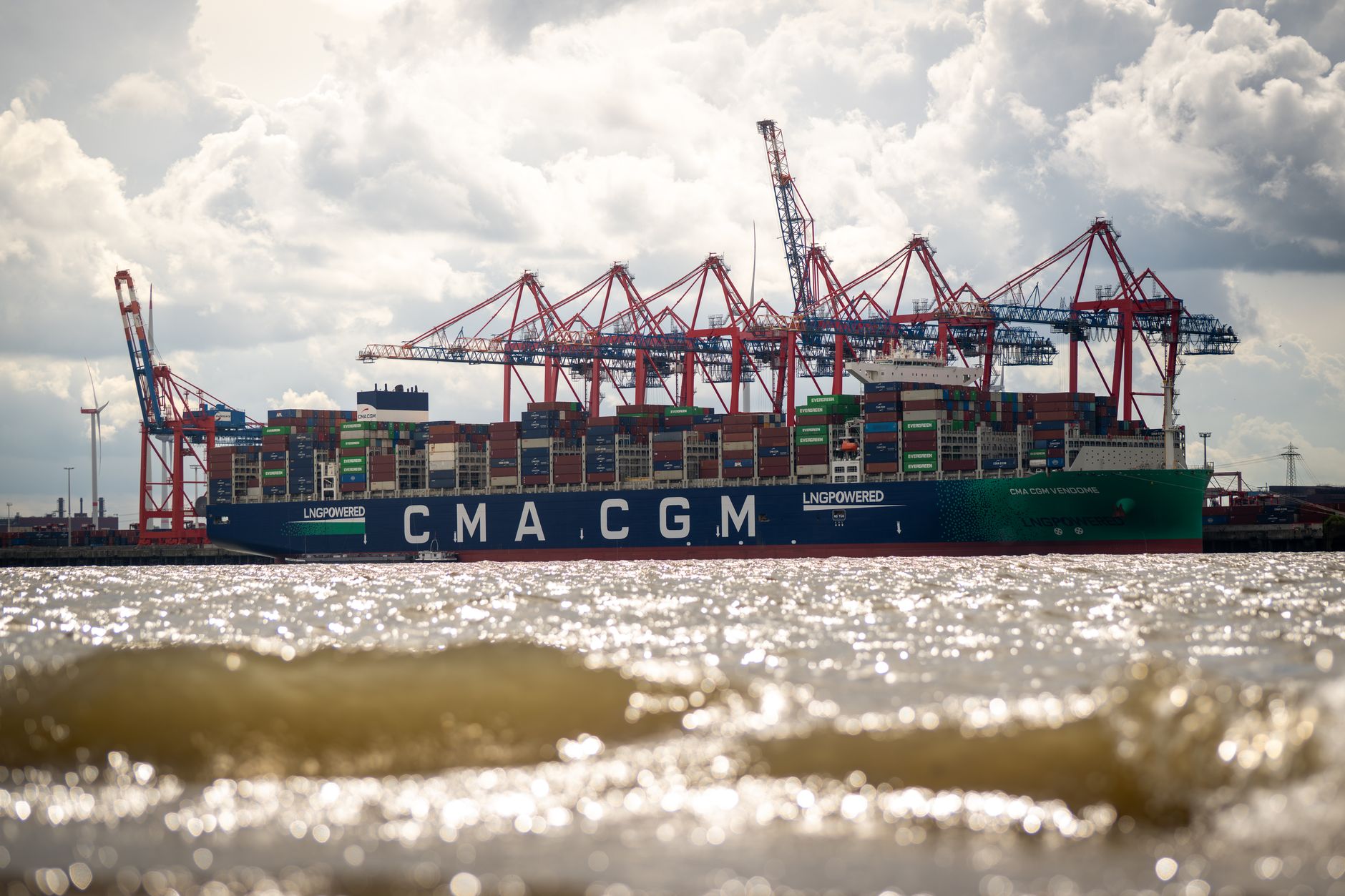
The United States and India, the world’s largest economy and most populous nation respectively, have reached a new trade arrangement that signals closer economic ties between Washington and New Delhi.
On Monday, U.S. President Donald Trump said his administration would reduce so-called reciprocal tariffs on Indian goods from 25 percent to 18 percent. In return, he claimed that India had committed to purchasing significantly more American products under a “Buy American” framework. Trump also said New Delhi would scale back its purchases of Russian crude oil and instead increase imports from the United States, with the possibility of sourcing some supplies from Venezuela as well.
Even as diplomatic and trade relationships appear to be warming, signs of softer international engagement with the United States are emerging in other areas. Walt Disney reported that overseas attendance at its U.S. theme parks was weaker than expected in the company’s fiscal first quarter, a trend it described as a continuing headwind. Following the earnings announcement, Disney’s share price fell by more than seven percent.
Broader U.S. financial markets moved in the opposite direction. Major stock indexes rose on Monday despite sharp recent declines in precious metals. The S&P 500 gained about half a percent, while the Dow Jones Industrial Average climbed more than one percent. The Nasdaq Composite also edged higher, even as Nvidia dropped nearly three percent amid reports that its proposed 100 billion dollar investment in OpenAI had stalled.
Attention is also turning to monetary policy in the Asia-Pacific region. The Reserve Bank of Australia is scheduled to announce its interest rate decision later today, and analysts widely expect a rate hike. Inflation has been running hotter than anticipated, while the labor market remains resilient, giving policymakers reason to tighten rather than loosen financial conditions.
In corporate technology news, Elon Musk said that SpaceX plans to acquire his artificial intelligence startup xAI. The combined entity is reportedly preparing for a major initial public offering that could value the company at around 1.25 trillion dollars, according to financial reports.
Oracle has seen a sharp drop in the cost of insuring its debt, with five-year credit default swaps tumbling by roughly 17 percent. Investor sentiment improved after the company outlined plans to raise up to 50 billion dollars through new debt and equity offerings.
Cryptocurrency markets have been under pressure. Bitcoin has lost around 12 percent over the past week and briefly slipped below 80,000 dollars for the first time since April 2025. Analysts say forced liquidations in leveraged trading markets contributed to the decline.
Across global markets, U.S. equities finished higher on Monday, while spot prices for gold and silver continued to slide. Strategy, a company closely tied to bitcoin investments, fell nearly seven percent. In Europe, the Stoxx 600 index rose just over one percent after earlier losses.
Meanwhile, excitement around robotics is building. Musk said Tesla is converting a California facility to manufacture its humanoid Optimus robot, while Chinese competitors are accelerating deliveries of similar machines. Morgan Stanley analysts believe these companies could benefit from rapid growth in the robotics sector.
Beyond finance and technology, consumer sentiment is showing striking differences across countries. In the United States, many households remain concerned about inflation and the cost of living. In China, however, public anxiety is focused more on deflation and a slowing economy.
One unusual sign of this mood can be seen in Beijing, where a toy shop run by Gao Lan has been selling out of a frowning horse plushie ahead of the Year of the Horse celebrations. State media report that the toy became popular after a factory worker accidentally stitched the horse’s smile upside down, turning it into what people now call “the crying horse.”
Another indicator of social unease is the popularity of a viral mobile app known in English as “Are You Dead?” or “Sileme” in Chinese. The app is designed to check in on people who live alone, alerting contacts if the user stops responding, offering a strange but revealing glimpse into current public concerns about isolation and uncertainty.