Andrew Ross Sorkin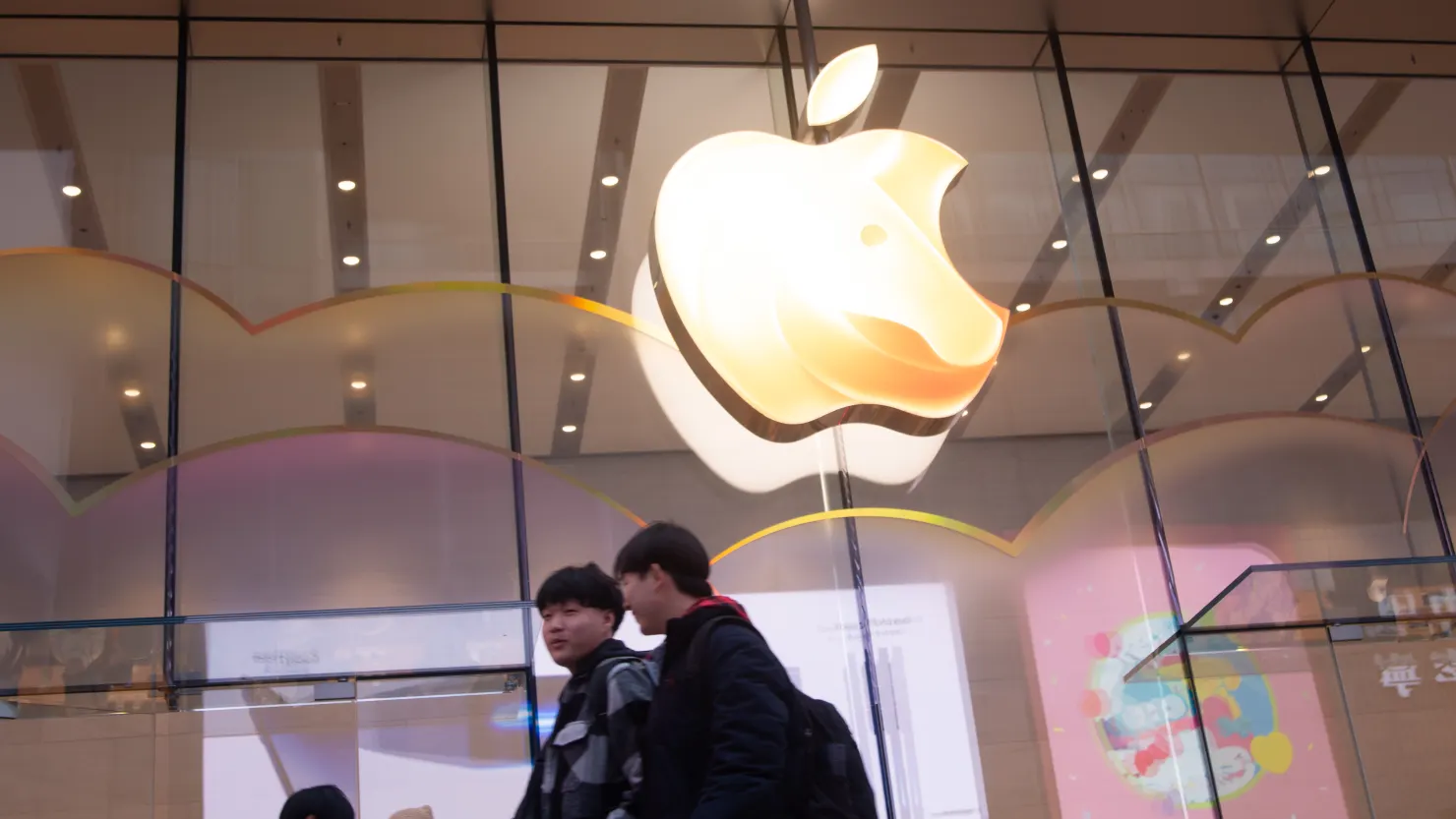
One of the standout highlights of Apple’s newly released iPhone 17 Pro is its 8x optical zoom, a feature designed to help users capture what truly matters. For everyday consumers, that means preserving unforgettable moments. For Apple itself, the focus is firmly on financial performance.
On Thursday in the U.S., the Cupertino-based tech giant reported a strong 16 percent year-over-year increase in fiscal first-quarter revenue, driven by what the company described as exceptionally strong demand for the iPhone. The results exceeded market expectations, and Apple also issued an upbeat forecast for the current quarter, projecting revenue above Wall Street estimates.
Despite the solid numbers, investor reaction was muted. Apple shares rose by only about 0.5 percent in extended trading. Some market participants believe the cautious response reflects ongoing concerns that Apple is still lagging behind competitors in the fast-moving artificial intelligence space.
In contrast, Meta Platforms saw its stock surge more than 10 percent after the company demonstrated that its heavy investments in artificial intelligence are beginning to translate into stronger financial returns. The market rewarded Meta’s clearer path to monetizing AI technologies.
Microsoft experienced the opposite reaction. Investors responded negatively to its ambitious spending plans and signs of slower growth in its cloud business. The company’s shares plunged 10 percent, erasing approximately $357 billion in market value. This marked Microsoft’s worst single trading day since March 2020.
The sharp decline in Microsoft weighed heavily on the broader technology sector. The Nasdaq Composite fell 0.72 percent, while the S&P 500 slipped 0.13 percent. The Dow Jones Industrial Average, however, managed to edge higher, gaining 0.11 percent and bucking the broader market trend.
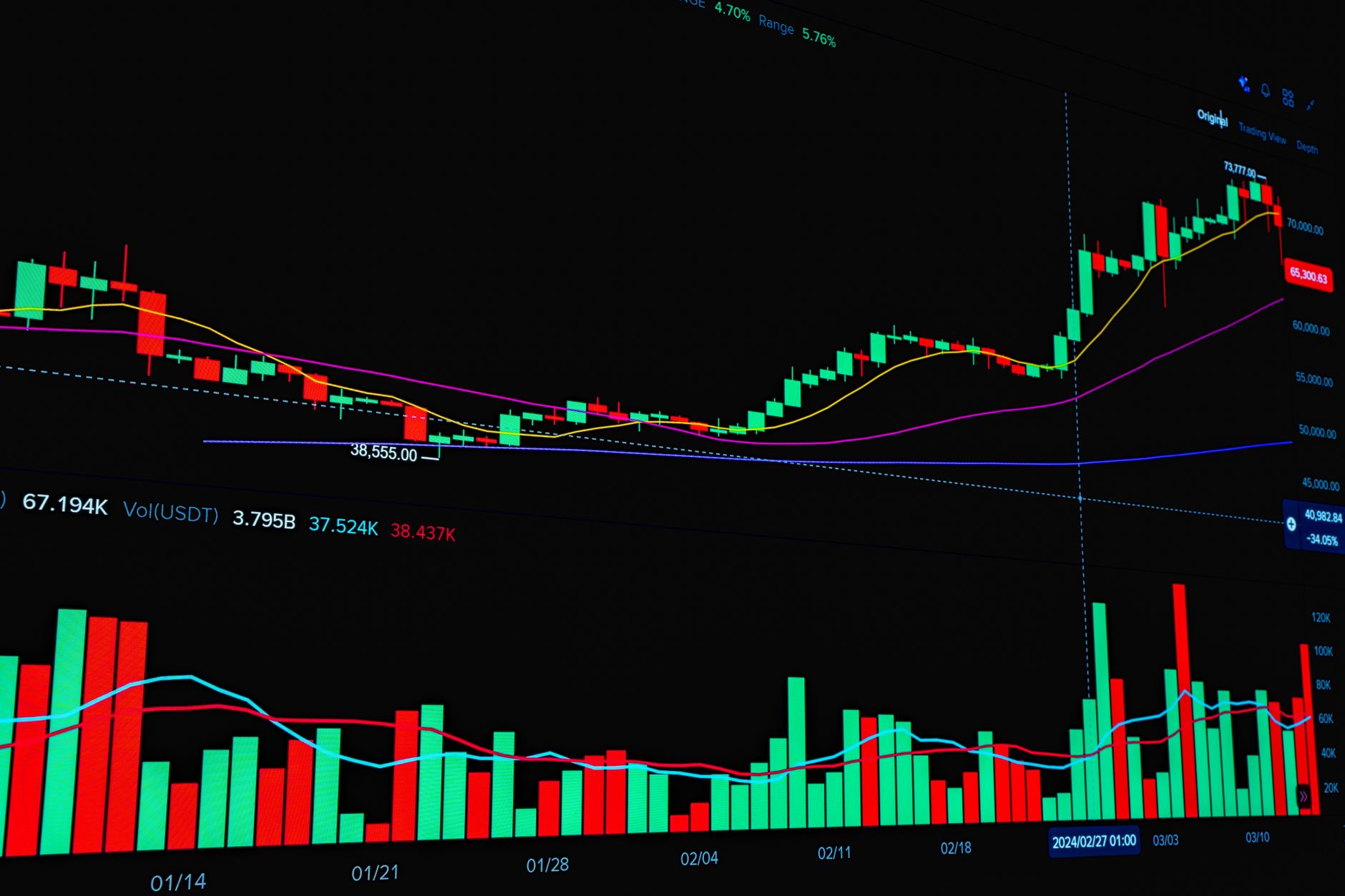
Cryptocurrencies moved lower alongside equities. Bitcoin dropped more than 5 percent, falling to its lowest level in nearly two months as investors pulled back from riskier assets.
Gold provided a rare bright spot in the market. After dipping during midday U.S. trading as some investors took profits, the precious metal rebounded. Earlier in the session, gold had reached $5,626.8, marking its highest level on record.
Oil prices also climbed sharply, rising more than 3 percent. The move came amid reports that U.S. President Donald Trump is considering military strikes on Iran, adding fresh geopolitical tension to energy markets.
In Washington, President Trump announced on Thursday that he plans to name a new Federal Reserve chair on Friday morning, replacing Jerome Powell. He also expressed support for a Senate agreement on government funding that could help prevent a shutdown of federal operations.
Looking ahead, global investors are closely watching India, which is scheduled to present its Union Budget for the 2027 financial year on Sunday, February 1. Analysts at BofA Securities have warned that the budget announcement could trigger a market sell-off, depending on policy signals and fiscal priorities.
With major economic data, geopolitical developments, and corporate earnings unfolding simultaneously, investors may find it difficult to relax, even as the weekend approaches.
What you need to know today
Denmark welcomed renewed dialogue with the United States regarding Greenland. The country’s foreign minister described recent high-level discussions as very constructive and said talks about the island’s future are once again progressing in a positive direction.
Amazon is reportedly considering a major investment of up to $50 billion in OpenAI. According to people familiar with the matter, OpenAI CEO Sam Altman and Amazon CEO Andy Jassy have held direct discussions. The potential investment would signal strong confidence in OpenAI, even as Amazon has already backed rival AI firm Anthropic.
The U.S. trade deficit widened sharply in November, reaching $56.8 billion. This represented a 94.6 percent increase from October, despite the continued impact of tariffs introduced under the Trump administration.
U.S. stock indexes mostly declined, dragged down by Microsoft’s steep losses. The Dow Jones Industrial Average stood out as the sole major index to post gains. In Europe, the Stoxx 600 fell 0.23 percent, with SAP shares plunging 16 percent after the company reported disappointing earnings.
Russia and China currently dominate the supply of a critical metal used in advanced military equipment. One U.S. company is working to develop an alternative source, a strategy that has earned it a positive investment rating following the initiation of coverage by a major bank.
And finally
The world’s largest sovereign wealth fund delivered exceptional results in 2025, fueled by strong gains in technology and banking stocks.
Norway’s sovereign wealth fund reported an annual profit of 2.36 trillion Norwegian kroner, equivalent to $246.9 billion. For the full year, the fund generated a return of 13.5 trillion kroner, marking the highest annual gain since its establishment in the 1990s.
The fund is managed by Norges Bank Investment Management on behalf of the Norwegian people. According to CEO Nicolai Tangen, shares in technology, financial services, and basic materials were the biggest contributors to overall performance, playing a decisive role in the fund’s record-breaking year.