Andrew Ross Sorkin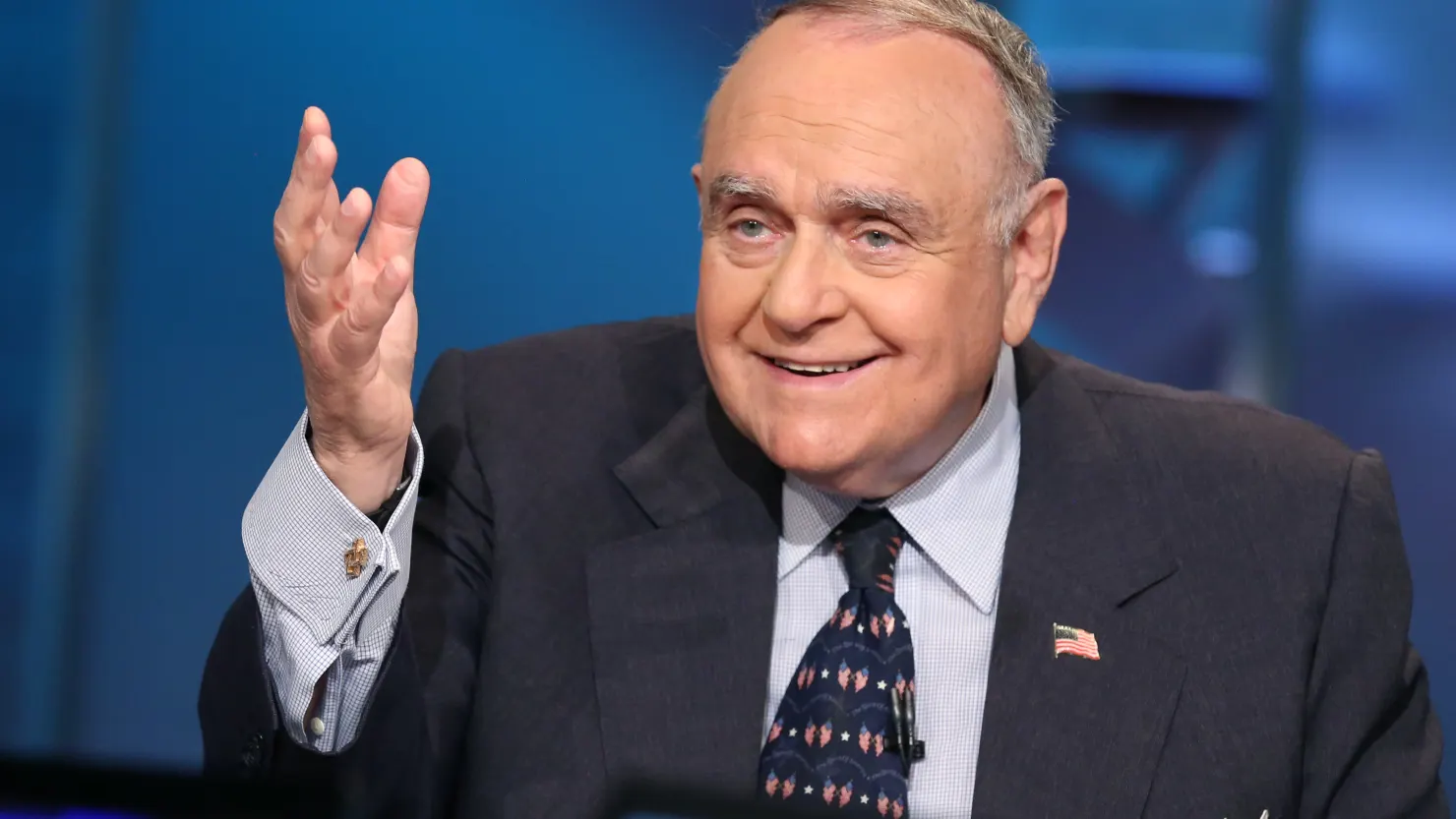
Private investment offices managing the fortunes of America’s ultra-wealthy wrapped up 2025 with a diverse set of equity moves, spanning everything from airline-related plays to cryptocurrency-linked exchange-traded funds. A review of fourth-quarter regulatory filings shows that while some trades captured media attention, others—larger and potentially more consequential—flew under the radar.
One of the most talked-about disclosures came from Omega Advisors, the family office of billionaire investor Leon Cooperman. The firm revealed that it had increased its stake in Manchester United, the publicly listed English football club competing in the Premier League. According to data compiled by InsiderScore, Omega’s holdings in the club are now valued at approximately $46.5 million.
Speculation briefly surfaced among supporters concerned about the possibility of a takeover. However, a separate filing clarified that Cooperman’s 5.2% ownership represents a passive investment rather than an attempt to influence control of the club. For fans wary of hedge fund involvement in team management, the reassurance helped calm fears.
Despite the headlines surrounding the soccer investment, Omega Advisors’ most significant allocation during the quarter was directed elsewhere. The firm purchased more than $375 million worth of shares in Rocket Companies, a major U.S. mortgage lender. That move established Rocket as Omega’s largest position, now valued at nearly $407 million. The investment signals confidence in the housing finance sector at a time when mortgage activity remains closely tied to interest rate expectations and broader economic conditions.
Other billionaire-backed firms have already seen meaningful gains from their late-2025 positioning. Appaloosa, the family office led by David Tepper, dramatically expanded its stake in Micron Technology, tripling its position to approximately $428.1 million. The semiconductor manufacturer, known for producing memory chips widely used in artificial intelligence data centers, has experienced a powerful rally. Since the beginning of 2026, Micron shares have climbed by roughly 50%, driven by continued enthusiasm around AI infrastructure and data storage demand. The stock now represents Appaloosa’s largest holding.
Stanley Druckenmiller’s Duquesne Family Office also made a bold move during the quarter by initiating a new position in Bloom Energy, a company specializing in fuel-cell technology. The bet has paid off handsomely so far, with Bloom Energy shares more than doubling year-to-date. The surge reflects growing investor interest in alternative energy solutions and decentralized power generation systems, particularly as corporations and governments seek cleaner and more resilient energy sources.
Not all high-profile investments have delivered immediate rewards. Several billionaire-linked firms increased exposure to cryptocurrency-related assets, but those positions have struggled amid renewed volatility in digital markets. WIT LLC, an investment vehicle associated with the Walton family’s broader office, allocated approximately $4 million to the iShares Bitcoin Trust ETF. That fund has declined 21% since the start of the year. The position accounts for less than 1% of WIT’s overall portfolio, suggesting a measured, exploratory approach rather than a high-conviction bet.
Similarly, Kemnay Advisory Services, tied to duty-free retail magnate Alan Parker, boosted its holdings in Coinbase by nearly 44% in the fourth quarter. Coinbase, one of the largest cryptocurrency exchanges in the United States, has seen its shares fall about 18% year-to-date. The drop underscores the persistent volatility that continues to characterize crypto-linked equities, even as institutional adoption expands.
The latest filings also highlight contrasting strategies among leading investors when it comes to the so-called “Magnificent Seven” technology stocks. Duquesne increased its Amazon position by 69%, bringing its stake to roughly $170 million, while completely exiting its position in Meta Platforms. The rebalancing suggests selective conviction within the mega-cap technology space rather than blanket enthusiasm.
In contrast, Longbow SA, the investment firm associated with the billionaire Rausing family, took a more defensive stance. The firm reduced its exposure across multiple large-cap technology names, trimming holdings in Amazon, Nvidia, Microsoft, Apple, Alphabet and Meta. The scaling back may reflect profit-taking after years of strong performance or a reassessment of valuation levels following the sector’s substantial gains.
Perhaps the most striking portfolio construction came from Ray Dalio’s family office, Marino Management. Dalio, the founder of Bridgewater Associates, has spent months cautioning about what he sees as excessive optimism surrounding artificial intelligence and warning of potential tensions in global capital markets. His firm’s latest filing revealed a $438.5 million position in SPDR Gold Trust, an exchange-traded fund backed by physical gold. Remarkably, that single holding represents nearly 90% of Marino Management’s disclosed portfolio.
Dalio has consistently emphasized gold’s role not as a speculative trade but as a strategic hedge. In a recent interview, he suggested that investors often frame the wrong question when evaluating the precious metal. Instead of trying to predict short-term price movements, he argued that institutions—such as central banks, sovereign wealth funds and large portfolio managers—should determine what percentage of their assets ought to be allocated to gold as a long-term diversifier.
From his perspective, maintaining a consistent allocation can provide protection against weaknesses in other parts of a portfolio, particularly during periods of macroeconomic uncertainty or currency instability. The sizable weighting in SPDR Gold Trust reflects that philosophy in practice, positioning gold as a core stabilizing asset rather than a peripheral holding.
Taken together, the fourth-quarter filings illustrate how the ultra-wealthy are navigating an environment defined by rapid technological change, fluctuating interest rates and geopolitical risk. Some are leaning into growth themes such as artificial intelligence and clean energy. Others are cautiously testing cryptocurrency exposure. And at least one prominent investor is concentrating heavily on a centuries-old store of value.
As 2026 unfolds, the performance of these varied strategies will offer a revealing snapshot of how elite capital is adapting to shifting market narratives—and which convictions prove most resilient in an increasingly unpredictable financial landscape.