Andrew Ross Sorkin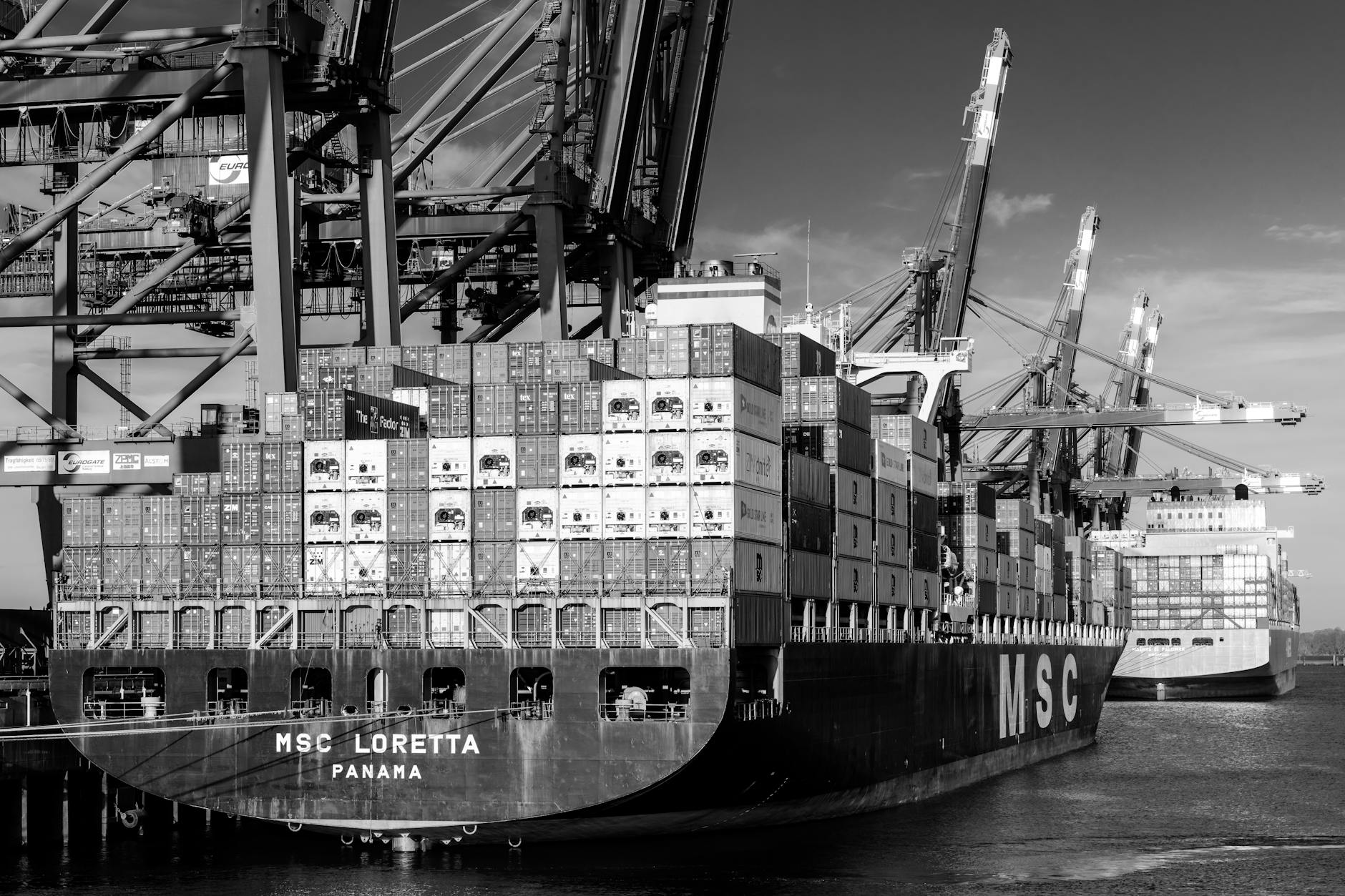
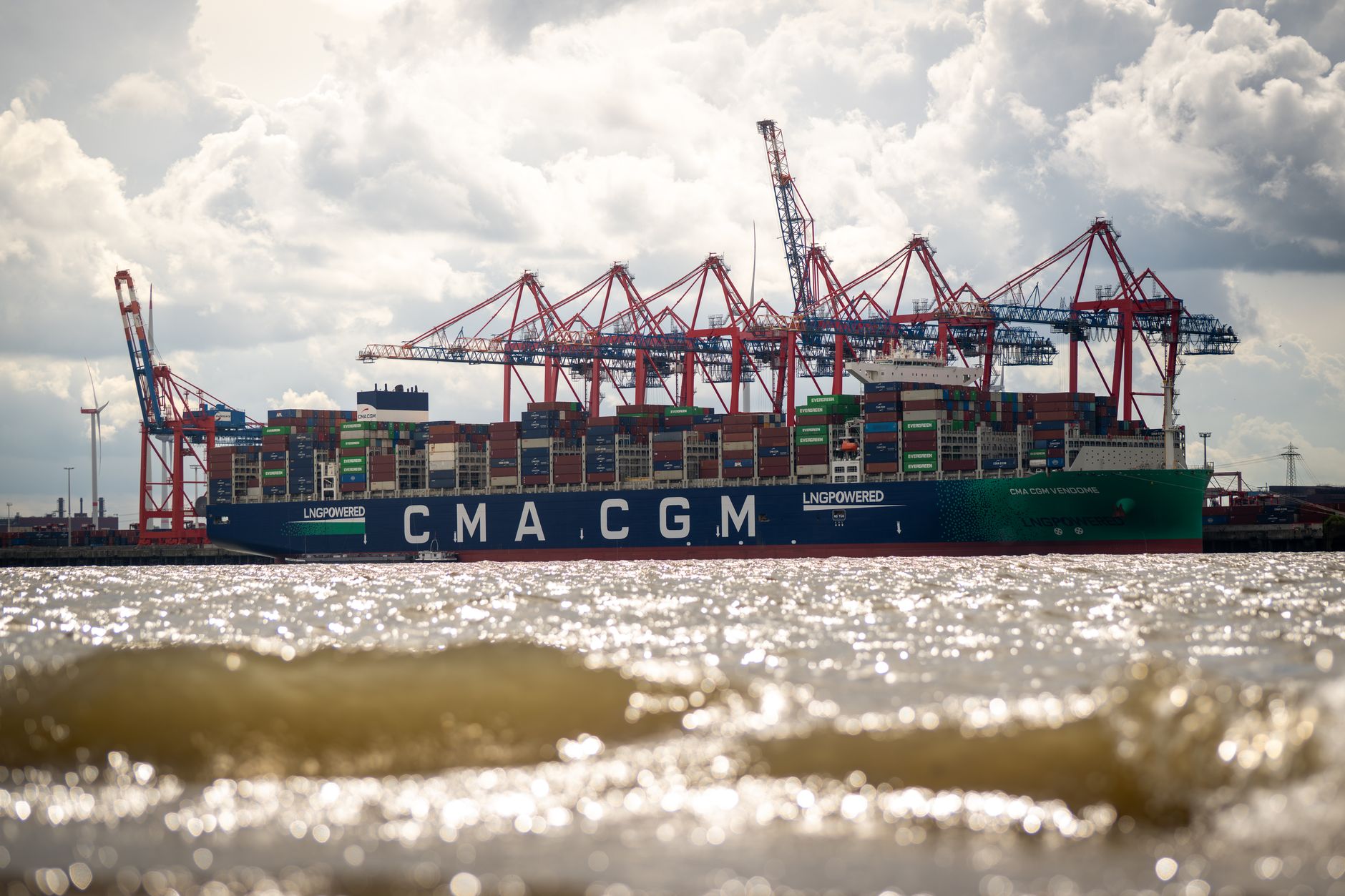
Major shipping lines are rerouting vessels, delaying sailings and reassessing exposure to the Strait of Hormuz as security risks around the Gulf raise the cost of global trade and force companies to choose between longer voyages, higher insurance bills and more expensive alternative corridors.
The latest adjustments follow a sharp escalation in maritime risk around one of the world’s most important energy and commodity chokepoints. The Strait of Hormuz links the Persian Gulf with the Gulf of Oman and wider Indian Ocean trade lanes, making it central not only to crude oil and liquefied natural gas flows but also to refined fuels, chemicals, fertilizer inputs, metals and containerized cargo connected to Gulf economies.
Bloomberg reported on April 24 that shipping lines were rerouting amid Hormuz risk, reflecting a broader shift in carrier behavior as companies avoid vessels being caught in a volatile zone where military activity, vessel seizures, airspace restrictions and insurance uncertainty have raised the cost of transit. The operational response is spreading through freight markets because the decision to avoid Hormuz does not simply move ships onto an equivalent route. It changes voyage duration, fuel burn, port calls, vessel availability and the pricing of scarce transit slots elsewhere.
The most visible sign of the strain has emerged around alternative passages. The Associated Press reported that businesses have paid as much as $4 million for last-minute plans to move vessels through the Panama Canal as the Hormuz disruption redirects trade flows and increases urgency for some cargo owners. Normal Panama Canal transit costs vary by vessel, but auction prices for earlier crossings have surged as companies compete to keep shipments moving and avoid delays that could be even more costly in disrupted energy and industrial markets.
The Panama Canal is not a full substitute for Hormuz. It can absorb some redirected container, fuel and commodity flows, but it cannot replicate the Gulf’s role in moving energy out of the Middle East, particularly for large crude carriers and LNG routes tied to specialized infrastructure. Still, higher canal bids illustrate how quickly a regional security shock can become a global logistics event. When vessels are diverted, the cost is not limited to the carrier. Shippers face higher freight invoices, buyers face longer lead times, and importers may need to hold more inventory or seek alternative suppliers.
Supply-chain executives are watching several cost channels at once. War-risk insurance premiums can rise rapidly when underwriters view a corridor as unsafe. Bunker fuel expenses climb when ships take longer routes or travel at higher speeds to recover schedule delays. Charter rates can firm when vessel capacity is tied up for additional days. Port congestion can build when rerouted ships arrive outside normal windows. Each factor adds a layer of cost before the underlying cargo price is considered.
Energy cargoes remain the core concern because Hormuz is embedded in the physical structure of global oil and gas trade. A significant share of Gulf crude and LNG exports moves through the strait, leaving buyers in Asia and Europe particularly sensitive to disruption. But the business impact is wider than spot crude prices. Higher energy costs raise operating expenses for shipping, trucking, aviation, petrochemicals, fertilizer production and heavy manufacturing. Those second-round effects can pressure margins across industries that are not directly involved in Gulf trade.
Recent market commentary has emphasized that the disruption is adding a risk premium to both energy and shipping. StoneX noted on April 23 that even a reopening of the strait would not necessarily resolve accumulated supply-chain strains quickly, because markets may continue to price the possibility of future closures, transit restrictions or additional costs. That assessment matters for corporate planning: companies can absorb a short-lived surcharge, but a persistent premium forces procurement teams to revisit supplier geography, contract terms and inventory buffers.

Container cargo has more flexibility than LNG or crude oil, but flexibility is expensive. Some containerized goods can be redirected through alternative ports, land corridors or longer sea routes. Yet rerouting tends to increase transit time and complicate vessel rotations. For large carriers, schedule reliability is a commercial asset; when reliability weakens, shippers may shift to premium services, air freight for urgent goods or higher inventory levels. Those responses protect availability but raise working capital needs and logistics costs.
The Hormuz disruption also arrives after several years in which companies have already had to adjust to shipping shocks, including pandemic-era port congestion, Red Sea disruptions, drought constraints at the Panama Canal and shifting sanctions regimes. Many multinational companies entered 2026 with more resilient but more expensive supply-chain structures than they had before the pandemic. A new Gulf risk layer may reinforce the trend away from ultra-lean inventories and toward regional redundancy, dual sourcing and higher safety stock.
For consumer-facing companies, the timing is difficult. Freight and fuel increases can feed into landed costs for electronics, apparel, household goods, food inputs and auto parts. Businesses with strong brands or contractual pass-through mechanisms may be able to recover some of the additional expense. Others may face margin compression, especially if consumers are already resisting price increases. The impact is likely to vary by sector, with energy-intensive industries and companies dependent on long-distance sourcing most exposed.
Industrial supply chains face a different problem: availability. Gulf-linked commodities include inputs used in chemicals, fertilizers, aluminum, plastics and refined products. Delays in those cargoes can affect production schedules even when the final product is sold far from the Middle East. Fertilizer and fuel disruptions can also transmit into agriculture, raising costs for growers and eventually food distributors. That creates a broader inflation channel than the initial shipping headline suggests.
Ports and logistics providers outside the Gulf are benefiting from some diverted demand, but the gains come with operational stress. Canal operators, transshipment hubs and fuel suppliers may see higher revenue as ships seek alternative routing, faster passage or new bunkering arrangements. At the same time, sudden schedule changes can strain berth availability, labor planning and storage capacity. A surge in rerouted cargo can create local bottlenecks even in markets far from the original conflict zone.
The insurance market is another key transmission point. Marine insurers and reinsurers typically respond to elevated security risk by raising premiums, tightening exclusions or requiring additional disclosures for vessels entering high-risk zones. Those costs can influence routing decisions as much as physical danger. If an insurer prices Hormuz transit aggressively, carriers may decide that a longer route is economically preferable even before considering reputational risk, crew safety or potential detention of vessels.
Financial markets are treating the issue as both an inflation risk and a corporate earnings risk. Higher oil prices are the most immediate signal, but equity investors are also watching transportation companies, airlines, retailers, chemical producers and manufacturers for guidance on cost exposure. Companies reporting second-quarter outlooks may face questions about whether freight surcharges, fuel hedges and supplier contracts are sufficient to protect margins if the disruption continues.

The policy response is complicated because governments have limited ability to reduce shipping risk without addressing the underlying security situation. Strategic petroleum reserves can cushion energy markets, but they do not solve vessel routing, insurance or logistics delays. Diplomatic assurances may help if credible and enforceable, but carriers are likely to rely on their own risk assessments, insurers and security advisers before resuming normal transit. In practice, the private sector may remain cautious even after official statements suggest the corridor is open.
That caution reflects the asymmetric cost of a wrong decision. A vessel delayed, seized or damaged near the strait can create losses far beyond the value of a single voyage. Cargo owners may face missed delivery commitments, replacement purchases and financing costs. Carriers may face schedule disruption across entire service loops. Crew safety concerns can also override narrow cost calculations. As a result, shipping lines often restore service gradually, waiting for evidence that safe passage is durable rather than temporary.
The global supply-chain impact will depend on duration. A short disruption would likely show up as a temporary spike in freight premiums, fuel costs and rerouting charges. A longer crisis would be more consequential, potentially redrawing trade routes, increasing demand for non-Gulf energy sources and prompting companies to rebuild inventories. It could also encourage more investment in pipeline capacity, regional storage and alternative logistics corridors designed to reduce dependence on maritime chokepoints.
For now, the main business consequence is uncertainty. Companies are being forced to make routing and procurement decisions before knowing whether Hormuz risk will fade, stabilize or intensify. That uncertainty itself has a cost. It encourages pre-emptive booking, premium freight, higher inventories and more conservative delivery promises. Even when cargo continues to move, it moves with a larger risk buffer attached.
The episode underscores how fragile global trade remains when a small number of maritime corridors carry outsized economic weight. Hormuz is primarily discussed as an energy chokepoint, but the current rerouting wave shows that its disruption can ripple into the broader machinery of commerce. Shipping lines, insurers, commodity traders and manufacturers are now pricing that reality into daily decisions, and those decisions are raising costs across supply chains well beyond the Gulf.
Unless security conditions improve quickly and consistently, the rerouting trend is likely to remain a live cost factor for global companies. The immediate effect is higher transportation spending and longer delivery timelines. The larger risk is that businesses begin treating Gulf transit risk as a structural cost rather than a temporary shock, embedding a new premium into freight contracts, commodity prices and corporate supply-chain strategy.