Andrew Ross Sorkin
China’s manufacturing sector slipped back into contraction in April, according to the latest official purchasing managers’ index (PMI) data, as weakening export orders and cautious domestic demand weighed on factory activity. The headline PMI fell below the critical 50-point threshold, signaling a renewed decline in industrial momentum after a brief period of stabilization earlier in the year.
The April reading underscores the fragile state of China’s economic recovery, particularly in its manufacturing base, which has historically been a key driver of growth. While policymakers have implemented a series of targeted measures to support activity, including credit easing and sector-specific initiatives, the latest data suggests that these efforts have yet to fully offset the combined impact of external and internal headwinds.
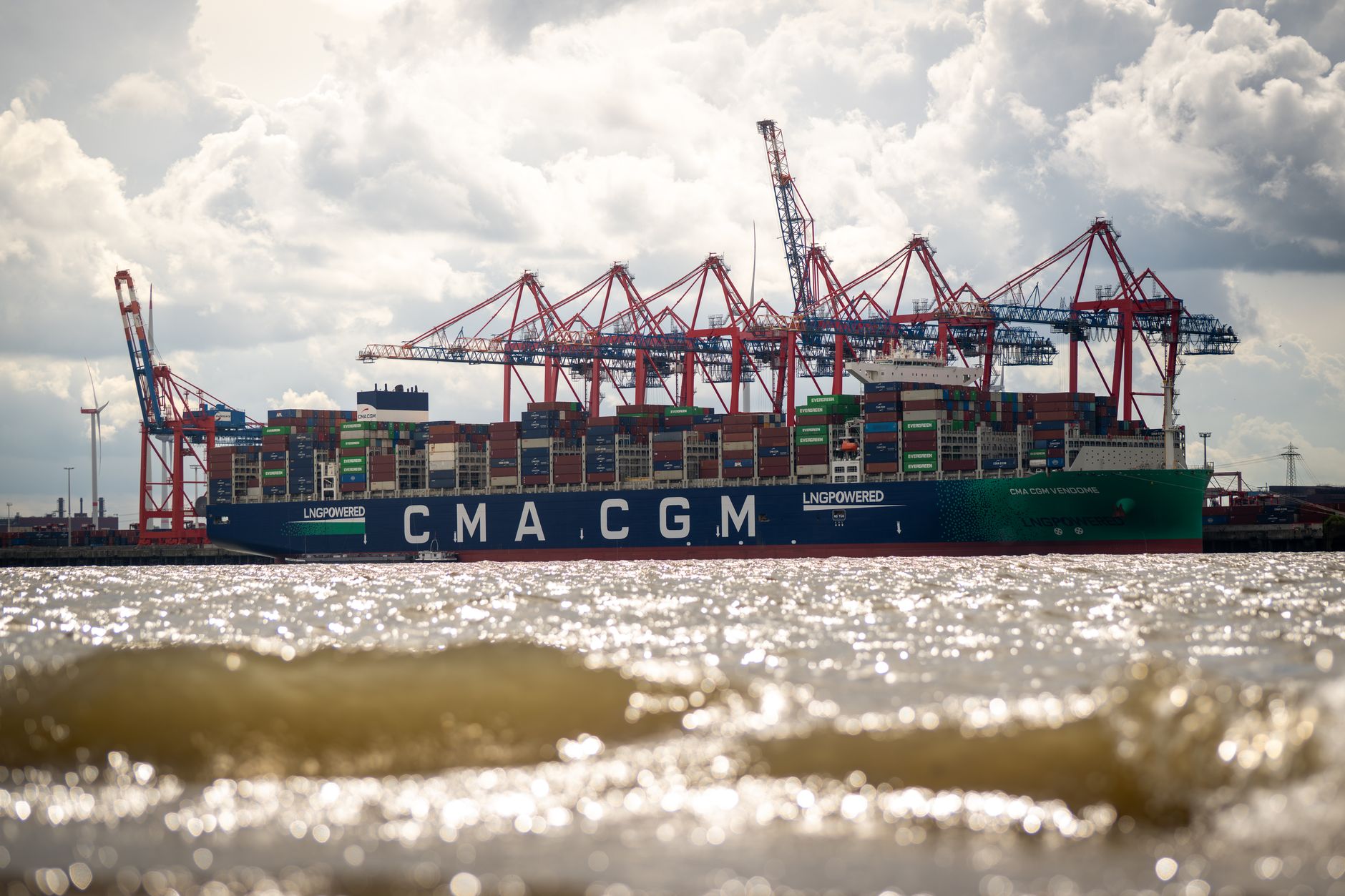
A key concern emerging from the report is the continued weakness in new export orders, a sub-index that has remained under pressure amid a slowing global economy. Manufacturers reported declining overseas demand, reflecting softer consumption trends in major trading partners and persistent uncertainties in international trade flows. The contraction in export orders highlights the vulnerability of China’s export-oriented industries, particularly in electronics, machinery, and consumer goods sectors.
Global demand conditions have become increasingly challenging in recent months. Slower growth in developed economies, coupled with tighter financial conditions and geopolitical uncertainties, has dampened import demand for Chinese goods. This has had a direct impact on factory output, as firms adjust production schedules to align with weaker order pipelines.
In addition to external pressures, domestic demand dynamics remain uneven. While certain segments of the economy, such as services and consumption, have shown resilience, industrial demand has lagged. The April PMI data indicated a moderation in production levels, suggesting that manufacturers are adopting a cautious stance amid uncertain demand conditions. At the same time, inventories of finished goods rose, pointing to potential overcapacity concerns and slower inventory turnover.
Input prices and output prices also showed signs of softness, reflecting subdued pricing power among manufacturers. This trend is consistent with broader disinflationary pressures within China’s economy, where weak demand and excess capacity continue to limit firms’ ability to pass on cost increases. For policymakers, this raises concerns about deflation risks and the need for measures to stimulate demand more effectively.
The employment component of the PMI remained under pressure, indicating that labor market conditions in the manufacturing sector have yet to fully recover. Firms reported cautious hiring practices, with some continuing to reduce workforce levels in response to weaker demand. This has broader implications for household income and consumption, as manufacturing employment remains a significant contributor to urban labor markets.
Analysts note that the divergence between domestic and external demand is becoming more pronounced. While policy support has helped stabilize certain areas of the domestic economy, the external environment remains a significant drag. The contraction in export orders suggests that even if domestic demand improves, overall manufacturing activity may remain constrained without a recovery in global trade.

Financial markets reacted to the PMI data with a degree of caution, as investors reassessed growth expectations for the second quarter. Equity markets with exposure to China’s industrial and export sectors showed signs of volatility, while commodity markets reflected concerns about softer demand from one of the world’s largest consumers of raw materials.
From a policy perspective, the data increases pressure on Chinese authorities to consider additional measures to support growth. While large-scale stimulus remains unlikely in the near term, given concerns about financial stability and debt levels, targeted interventions could be expanded. These may include further monetary easing, such as reductions in reserve requirement ratios, as well as fiscal measures aimed at boosting infrastructure investment and supporting key industries.
Local governments are also expected to play a role in implementing supportive policies, particularly through infrastructure spending and incentives for industrial upgrading. However, the effectiveness of these measures will depend on their ability to address underlying demand weaknesses rather than simply increasing supply capacity.
The real estate sector continues to pose a structural challenge to the broader economy, indirectly affecting manufacturing activity. Weakness in property investment has reduced demand for construction-related materials and equipment, contributing to slower industrial output. Efforts to stabilize the property market have had mixed results, and ongoing uncertainties in this sector continue to weigh on business sentiment.
Another factor influencing manufacturing performance is the evolving structure of global supply chains. Companies are increasingly diversifying production bases to mitigate risks associated with geopolitical tensions and supply disruptions. While China remains a dominant manufacturing hub, shifts in supply chain strategies could gradually impact its export competitiveness over time.
Despite these challenges, there are pockets of resilience within the manufacturing sector. High-tech manufacturing and sectors aligned with strategic policy priorities, such as renewable energy and electric vehicles, have shown relatively stronger performance. These areas benefit from both domestic policy support and growing global demand, providing a partial offset to broader industrial weakness.
The services sector, which has been a key driver of China’s post-pandemic recovery, continues to expand, albeit at a moderating pace. This divergence between services and manufacturing highlights the uneven nature of the recovery and underscores the need for a more balanced growth model.

Looking ahead, the trajectory of China’s manufacturing sector will depend on several key factors, including the evolution of global demand, the effectiveness of policy support, and the pace of structural adjustments within the economy. The April PMI data suggests that near-term risks remain tilted to the downside, particularly if external conditions fail to improve.
Economists are closely monitoring upcoming data releases, including industrial production, trade figures, and credit growth, to assess whether the slowdown is broadening or stabilizing. These indicators will provide further insights into the underlying momentum of the economy and the potential need for policy adjustments.
In the context of global markets, China’s manufacturing performance has significant implications for commodity demand, shipping activity, and multinational corporate earnings. A sustained contraction could lead to downward revisions in global growth forecasts, particularly for economies with strong trade linkages to China.
At the same time, the data may influence currency dynamics, as expectations of policy easing could put pressure on the renminbi. This, in turn, could have spillover effects on regional currencies and capital flows, particularly in emerging markets.
While the April PMI reading represents a setback, it is not yet indicative of a sharp downturn. However, it does reinforce the view that China’s recovery remains fragile and uneven. For policymakers, the challenge will be to strike a balance between providing sufficient support to sustain growth and maintaining financial stability in the face of structural headwinds.
Ultimately, the path forward for China’s manufacturing sector will require a combination of cyclical policy measures and longer-term structural reforms. Enhancing domestic demand, improving productivity, and navigating a shifting global trade environment will be critical to restoring sustained industrial growth.