Andrew Ross Sorkin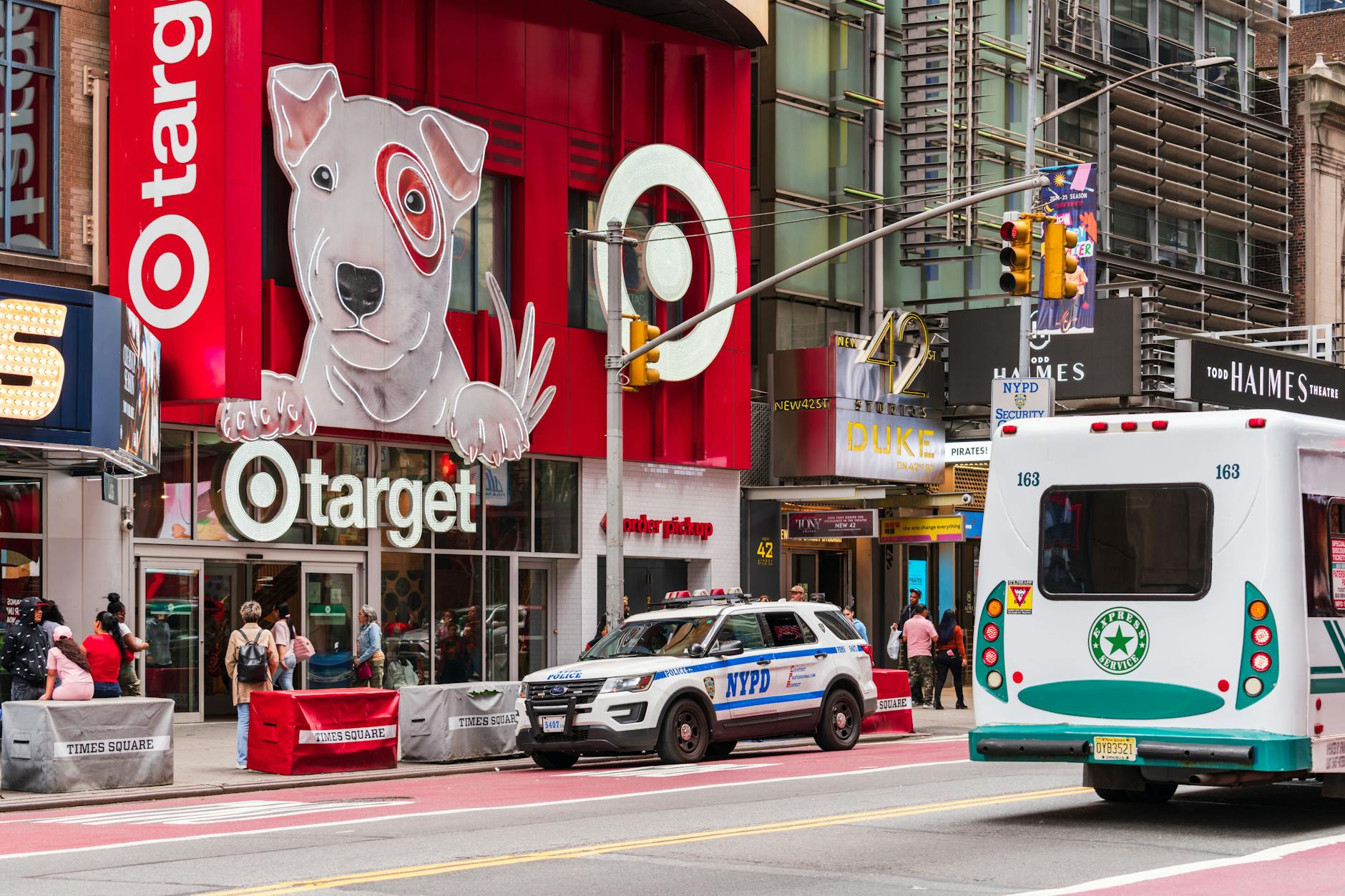
Target raised its full-year sales outlook after posting its strongest comparable-sales growth in years, giving the Minneapolis-based retailer an early win under new Chief Executive Michael Fiddelke while leaving investors to judge whether the rebound can carry through a still-uncertain consumer environment.
The company said first-quarter net sales rose 6.7% from a year earlier to $25.4 billion, reflecting higher merchandise sales and a sharp increase in non-merchandise revenue from businesses including advertising, memberships and marketplace activity. Comparable sales increased 5.6% in the quarter, with comparable store sales up 4.7% and comparable digital sales up 8.9%. Target said comparable traffic rose 4.4%, an important signal for a retailer that had struggled to bring shoppers back consistently after a multi-year sales slump.
The performance prompted Target to lift its fiscal 2026 net sales forecast. The company now expects net sales growth of around 4% from 2025, two percentage points above its prior outlook. It also said it expects sales to rise in every quarter of the year, full-year operating income margin to improve by more than 20 basis points from its 2025 adjusted rate of 4.6%, and GAAP and adjusted earnings per share to come in near the high end of its earlier $7.50 to $8.50 range.
The quarter marked a notable shift for Target, whose recent earnings reports had been dominated by weak discretionary demand, uneven store execution and shopper migration toward lower-priced or more convenience-driven competitors. The company had posted several quarters of comparable-sales declines before the first quarter, making the breadth of the latest gain particularly important. Target said net sales were higher across all six of its core merchandising categories, and that strength was visible across the quarter rather than concentrated in a narrow promotional period.
Fiddelke, who became CEO in February, framed the results as evidence that Target’s clarified strategy is resonating with customers. The strategy centers on restoring the chain’s reputation for affordable style, improving store conditions, sharpening pricing, expanding digital convenience and investing in the workforce. Management has been trying to reposition Target as more than a value destination, emphasizing the discretionary categories and design-led merchandising that once helped distinguish it from Walmart and other mass-market competitors.
The earnings report showed progress on several operating lines. First-quarter gross margin improved to 29.0% from 28.2% a year earlier, helped by supply-chain productivity, lower markdown rates and growth in higher-margin non-merchandise businesses such as advertising. Target’s Roundel advertising operation, Target Circle 360 membership revenue and Target+ marketplace contributed to nearly 25% growth in non-merchandise sales. That mix matters because retailers are increasingly relying on media networks, subscription benefits and marketplaces to diversify earnings beyond store traffic and product margins.
The company’s digital performance also strengthened. Comparable digital sales rose 8.9%, led by more than 27% growth in same-day delivery powered by Target Circle 360. Same-day fulfillment has become a central battleground in U.S. retail, as consumers expect speed and convenience without abandoning value. For Target, a stronger digital channel can improve customer frequency and deepen loyalty, but it also requires tight cost control across fulfillment, labor and last-mile delivery.

Earnings were more complicated. Target reported first-quarter GAAP and adjusted earnings of $1.71 per diluted share. That was below the prior-year GAAP figure of $2.27, which included non-recurring legal settlement gains, but up 32% from prior-year adjusted earnings of $1.30. Operating income was $1.1 billion, down from the prior-year GAAP comparison but up on an adjusted basis. The operating margin rate was 4.5%, compared with a prior-year GAAP operating margin of 6.2% and an adjusted operating margin of 3.7%.
Expenses remain a central issue. Target said its selling, general and administrative expense rate rose to 21.9% from 19.3% on a GAAP basis a year earlier, and from 21.7% on an adjusted basis. The increase reflected higher compensation costs, including additional hours and training for field teams, higher incentive compensation, planned spending tied to capital projects and higher marketing expense. Stronger sales provided some leverage, but the company is still spending heavily to reset the business.
That spending is part of the investment case and the risk case. Target said first-quarter capital expenditures rose 31% to $1.0 billion, driven primarily by new stores and remodels. Management has emphasized that store experience is central to the turnaround, especially after customer complaints about out-of-stock items, disorganized locations and weaker merchandising. A cleaner store base and better-trained workforce could support traffic and conversion, but the plan requires sustained investment before benefits are fully visible in margins.
The company did not repurchase shares in the quarter and ended the period with about $8.3 billion of remaining authorization under its August 2021 buyback program. It paid $516 million in dividends, slightly above the prior-year period. Return on invested capital for the trailing 12 months fell to 12.4% from 15.1% a year earlier, reflecting the lag between current investment and expected future productivity. For investors, that decline underscores why Target’s ability to convert higher sales into durable profit expansion remains the main question after the headline beat.
The stock market response was cautious. Target shares initially reacted positively to the stronger-than-expected results but reversed course and fell after the announcement. The pullback reflected concerns that expectations had risen before the report and that management’s updated outlook still implied a moderation from the first-quarter pace. Analysts and investors are now focused on whether the comparable-sales gain represented an early phase of a durable recovery or a quarter helped by temporary factors such as tax refunds, promotions and novelty around refreshed assortments.
Reuters reported that Target’s shares were down about 6% in early trading on the day of the release, even as the retailer doubled its annual sales growth forecast. The report cited management caution around consumer sentiment and highlighted the company’s effort to invest in stock levels and price cuts while keeping its outlook disciplined. That balance — stronger sales but restrained forecasting — is likely to shape the market debate around the stock through the next several quarters.

The Associated Press reported that the comparable-sales increase was Target’s largest in four years and the first positive reading after three consecutive quarters of negative comparable sales. It also noted that Fiddelke remained guardedly optimistic, citing both the encouraging guest response and the operational work still ahead. The report pointed to new collaborations, store improvements and Target’s effort to rebuild its “Tarzhay” identity around stylish products at accessible prices.
The competitive backdrop remains difficult. Walmart continues to benefit from grocery scale, price perception and high-income shopper trade-down. Costco has retained strong membership momentum. Off-price retailers such as TJX and Ross Stores have been attracting consumers hunting for value in apparel and home goods. Specialty retailers are also competing aggressively in categories where Target wants renewed relevance, including beauty, baby, toys, home and apparel. Target’s first-quarter strength across all six core categories suggests it is regaining some ground, but the company must prove that customers will return regularly outside of major seasonal and promotional moments.
Consumer conditions are another source of uncertainty. Households remain selective in discretionary categories, and retailers have flagged pressure from fuel costs, tariffs, inflation-sensitive purchasing behavior and weakening sentiment. Target’s management said it is staying disciplined and flexible in an uncertain operating environment. That caution is consistent with broader retail earnings commentary, where companies have generally avoided overextending full-year forecasts even after solid first-quarter results.
For the earnings category, the central takeaway is that Target delivered a materially stronger first quarter than the market had been accustomed to seeing from the company, and management responded by lifting the top-line outlook. The result shifts the investor debate from whether Target can generate traffic at all to whether the new strategy can sustain traffic, protect gross margin and lift operating income over multiple quarters.
If Target can maintain positive comparable sales while continuing to improve store execution and digital productivity, the company may begin to rebuild credibility after years of uneven performance. If growth slows sharply or investment spending weighs too heavily on margins, the first quarter may be viewed as an encouraging but incomplete signal. For now, Target has given the market a stronger sales base, clearer evidence of customer response and a higher annual revenue target — but not yet enough certainty to remove doubts about the durability of the turnaround.