Andrew Ross Sorkin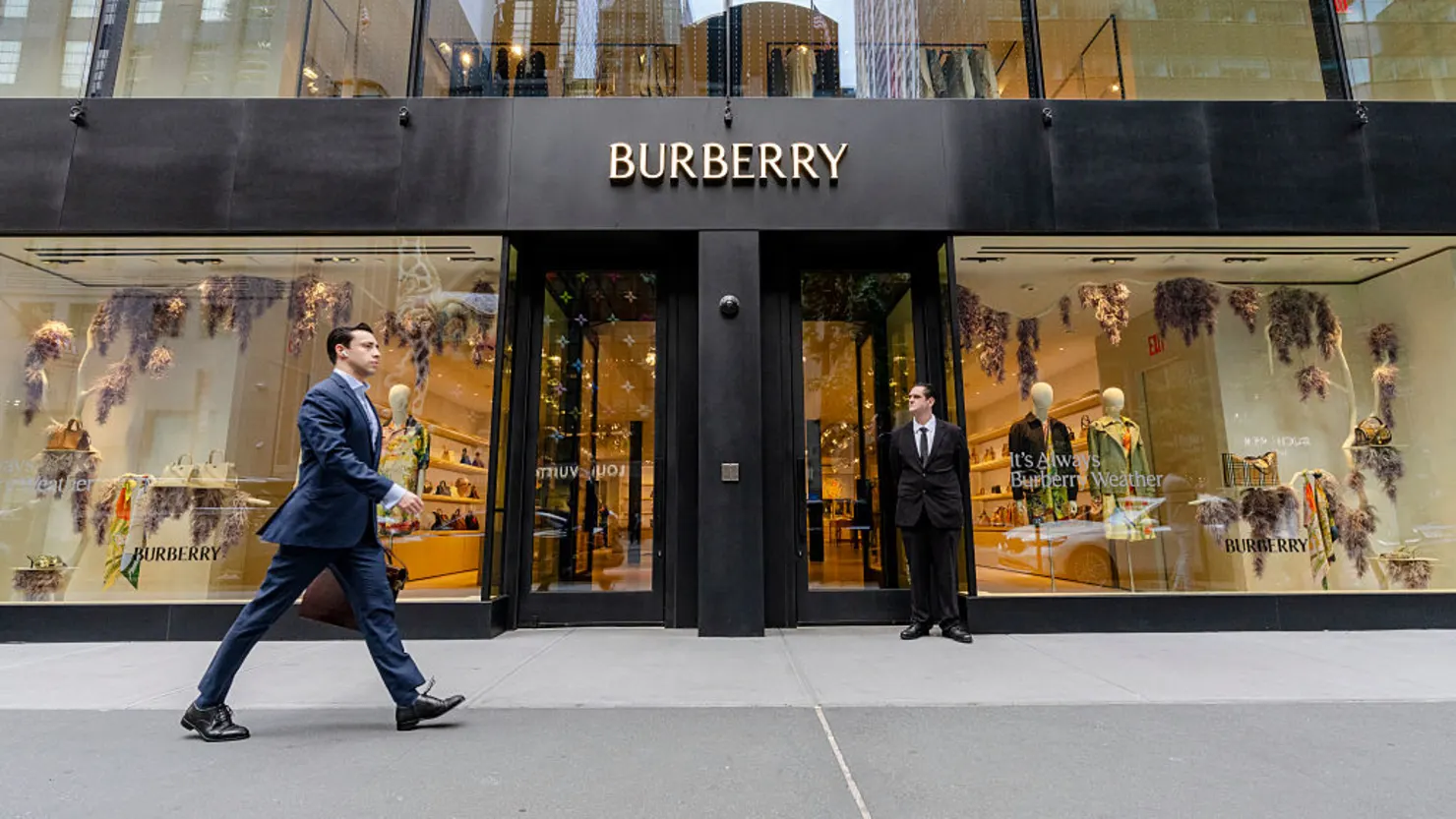
Burberry is witnessing a promising comeback in the American market, as U.S. consumers embrace the timeless charm of British heritage fashion. The renewed interest offers a glimmer of optimism for the iconic luxury house, which has been striving to regain its footing amid industry-wide challenges and economic headwinds.
In its fiscal first-quarter report released Friday, Burberry revealed that sales in the Americas rose 4% year-on-year during the three months ending June 28. The announcement sent the company’s shares surging more than 8% by late morning in London. This rebound follows a 4% decline in the region during the previous quarter and a 9% drop across the 2025 fiscal year.
CEO Joshua Schulman credited the resurgence to the brand’s ability to attract both loyal customers and new buyers, reflecting the “diversity of the luxury consumer that exists in that market.” He noted that Burberry’s clientele in the U.S. spans from high-end spenders to mainstream shoppers frequenting luxury retail centers. The American market currently represents about 19% of the company’s global business.
Schulman emphasized that Burberry’s broader strategy—to redefine itself as a “luxury brand with universal appeal”—is beginning to show encouraging signs in other regions as well.
Across the company, group revenues slipped just 1% on a comparable basis to £433 million ($582 million) for the quarter, outperforming analysts’ expectations of a 3% decline. Regional results were mixed: sales grew 1% across Europe, the Middle East, India, and Africa (EMEIA), but dropped 5% in Greater China and 4% in the Asia Pacific region, largely due to a slowdown in Japanese tourism. Still, these figures marked a notable improvement from steeper declines in earlier quarters.
“Our local customer base has remained resilient globally,” Schulman said during a media call. “We’ve seen steady sequential progress in all regions.”
The results come as the global luxury industry faces uncertainty. Potential U.S. tariffs threaten to dampen consumer spending recovery, while China’s once-vibrant market continues to underperform.
Burberry’s Chief Financial Officer, Kate Ferry, acknowledged the looming tariffs as a “headwind” but stressed that the company had already taken proactive steps. “We spent the past year fine-tuning our supply chain and adopting a surgical approach to pricing in the U.S.,” she explained. “We carefully evaluated where we could adjust prices without losing customer demand.”
Meanwhile, Burberry continues to push forward with a sweeping transformation plan. The brand confirmed that its cost-saving initiative—announced earlier this year—remains on track, with 1,700 job cuts expected to generate £80 million in annual savings by the end of the 2026 fiscal year.
July marks CEO Joshua Schulman’s first anniversary at the helm. Since joining from Michael Kors, he has moved swiftly to restore Burberry’s identity and profitability, unveiling a “course correction” strategy aimed at reigniting growth and stabilizing leadership after years of turbulence.
Analysts are cautiously optimistic. A note from UBS highlighted that Burberry’s recent results show “accelerating brand momentum.” Industry experts also see potential in Schulman’s renewed focus on British craftsmanship and heritage.
“Josh stepped in just in time to redirect Burberry’s creative and commercial vision,” said Luca Solca, global luxury sector head at Bernstein, during an interview with CNBC. “By emphasizing the brand’s iconic check pattern, authentic British roots, and realistic pricing, Burberry is gradually reconnecting with its core identity.”
Although the company’s overall organic growth remains slightly negative, the direction of change is reassuring. Many analysts expect stronger results in the second half of the year as Burberry’s new winter collection—fully aligned with its refreshed marketing approach—hits stores worldwide. For investors and loyal fans alike, it signals that the storied British fashion house may finally be finding its rhythm again.