Andrew Ross Sorkin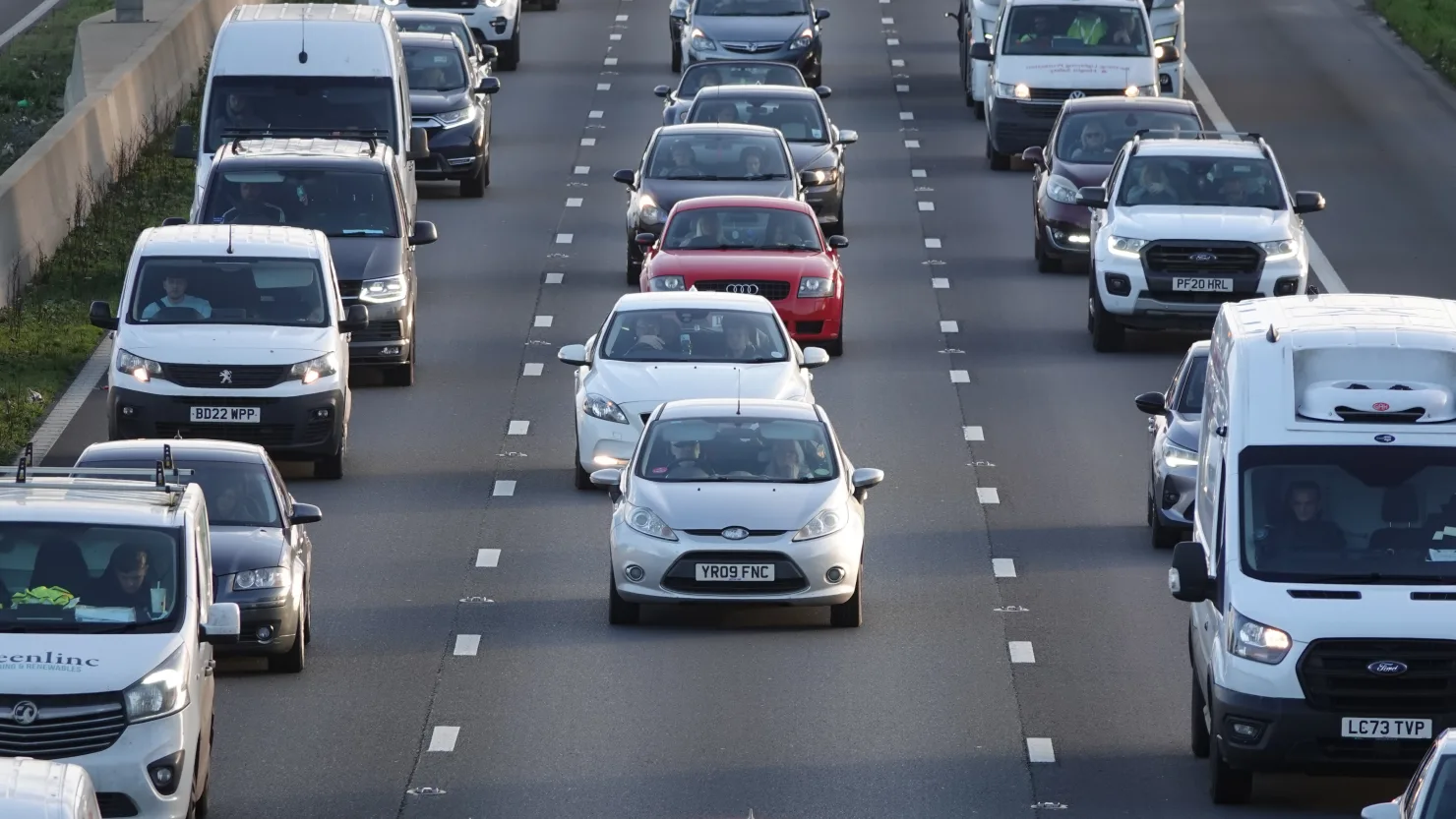
Several of the world’s largest automobile manufacturers are facing a landmark legal battle in London this week. On Monday, the High Court began hearing a massive class action involving 1.6 million diesel car owners who accuse major automakers—including Mercedes-Benz, Ford, Nissan, Renault, and Stellantis brands Peugeot and Citroën—of deliberately cheating emissions tests. The case comes nearly a decade after Volkswagen’s infamous “dieselgate” scandal rocked the global car industry.
At the heart of the lawsuit is the allegation that these companies used illegal “defeat devices.” According to the plaintiffs’ lawyers, the devices could detect when a vehicle was undergoing emissions testing and automatically adjust performance to ensure pollution stayed within legal limits. Once back on the road, however, the cars allegedly emitted pollutants far above those limits.
The automakers strongly deny any wrongdoing, arguing that their emissions systems fully comply with both technical and legal standards. Mercedes-Benz, for instance, insists that its emission control technology is both legitimate and justified. They reject comparisons to Volkswagen’s 2015 scandal, which led to more than €32 billion in global fines, vehicle recalls, and settlements.
The High Court trial will initially examine a limited sample of diesel vehicles from the five manufacturers to determine whether prohibited defeat devices were indeed used. If the court finds the companies at fault, the issue of compensation will be addressed in a separate trial scheduled for next year.
This ruling is expected to have wide-ranging consequences. It will apply not only to the current group of nearly 850,000 claimants but also to hundreds of thousands of similar pending cases involving other carmakers, such as BMW and Stellantis-owned Vauxhall/Opel.
Martyn Day, a senior lawyer representing the claimants from the firm Leigh Day, said the allegations—if proven—would expose “one of the most serious violations of consumer trust in modern corporate history.”
This is not the first time the UK’s High Court has ruled on such matters. In 2020, Volkswagen lost a similar case concerning its own emissions systems, later settling the claims in 2022 without admitting liability.
However, the new wave of litigation is even broader. The current case spans 14 automakers and is estimated by claimants’ lawyers to be worth as much as £6 billion ($7.97 billion) in total damages—making it one of the most significant collective legal actions in British history.
The issue extends far beyond the UK. Around the world, carmakers continue to face investigations and lawsuits over alleged emissions manipulation. In July, a Dutch court found that certain diesel cars sold by Stellantis brands Opel, Peugeot, Citroën, and DS contained defeat devices—a ruling Stellantis has publicly disputed.
Manufacturers and their suppliers have already paid millions in fines and reached settlements in the United States and other countries, but the global repercussions of diesel emissions deception are still unfolding. The London trial could mark the next major turning point in holding automakers accountable for their environmental practices and transparency to consumers.