Andrew Ross Sorkin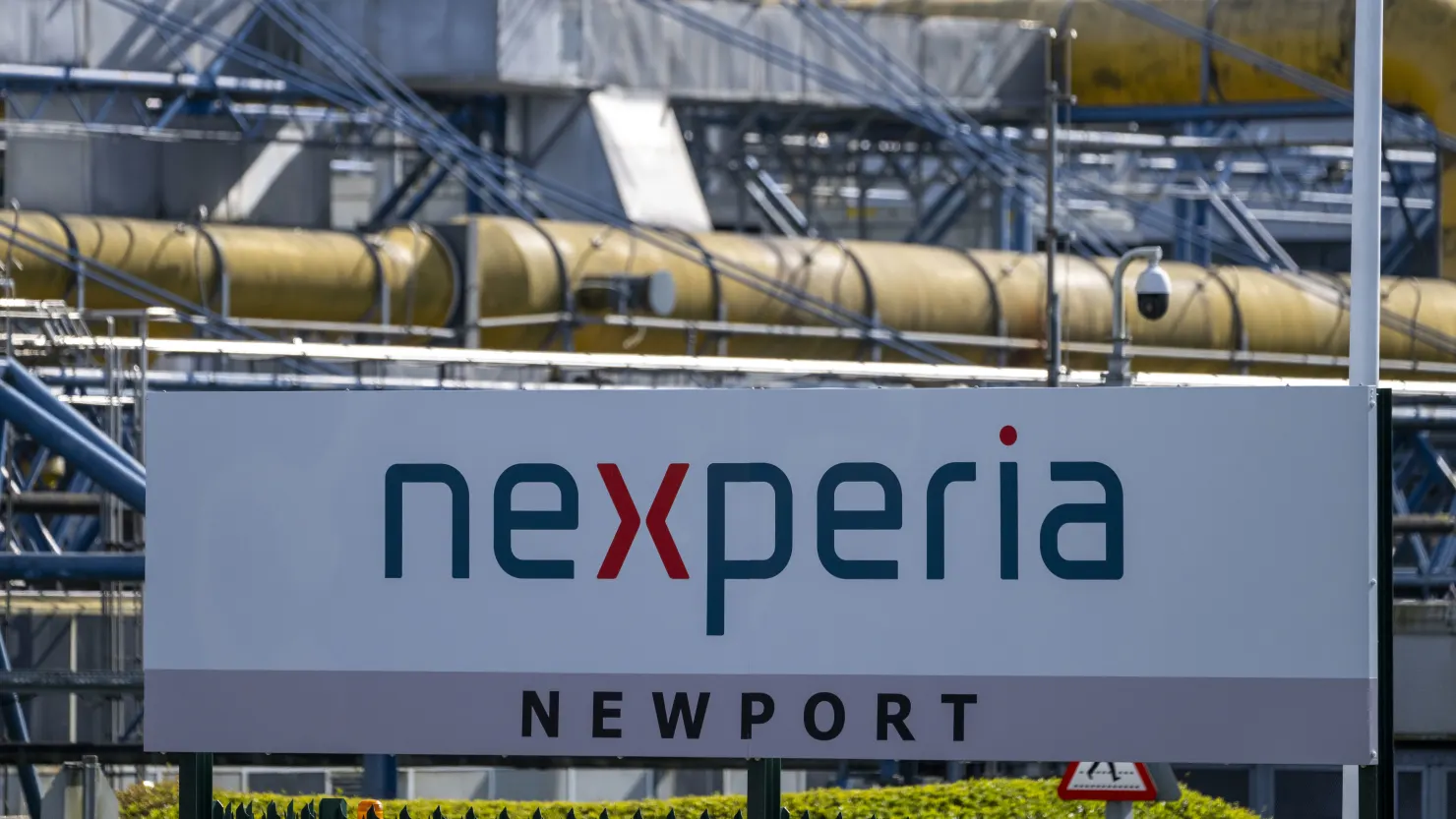

The Dutch government has officially taken control of Nexperia, a Chinese-owned semiconductor manufacturer headquartered in the Netherlands, in an unprecedented effort to secure Europe’s access to critical chip supplies amid escalating global trade tensions.
Nexperia, a subsidiary of China’s Wingtech Technology, is a key player in the global semiconductor market, producing high-volume chips used in automobiles, consumer electronics, and various industrial applications. The company’s output plays a vital role in maintaining Europe’s technology supply chains, especially as geopolitical pressures continue to mount.
According to an announcement made on Sunday evening, the Dutch Minister of Economic Affairs confirmed that the government had invoked the Goods Availability Act in September to prevent “a situation in which the goods produced by Nexperia (finished and semi-finished products) would become unavailable in an emergency.”
Following the news, Wingtech’s shares tumbled to their 10% daily trading limit on the Shanghai Stock Exchange.
The Goods Availability Act grants the Dutch government the authority to intervene in private companies to ensure the continued supply of strategically important products in times of crisis. The decision to apply the act to Nexperia marks one of the most dramatic uses of this power to date and comes as the U.S.-China trade dispute intensifies.
In its statement, the Dutch Ministry described the decision as “highly exceptional,” citing “recent and acute signals of serious governance shortcomings and actions” within Nexperia. Officials expressed concerns that these governance issues threatened the preservation of essential technological knowledge and capabilities in both the Netherlands and Europe. The ministry emphasized that the automotive sector could be particularly vulnerable if these capabilities were lost, posing a potential risk to Europe’s economic security.
According to a corporate filing submitted to the Shanghai Stock Exchange on October 13, Wingtech confirmed that Nexperia is now under temporary external management. The company has been instructed to suspend any changes to its assets, operations, or personnel for up to a year. Wingtech’s chairman, Zhang Xuezheng, was immediately suspended from his positions as executive director of Nexperia Holdings and non-executive director of Nexperia following the government’s order.
Despite these measures, the filing stated that Nexperia’s day-to-day operations will continue as usual, although the full impact of the intervention remains uncertain.
Wingtech responded sharply to the Dutch government’s move, accusing it of using “national security” as a pretext for “excessive intervention driven by geopolitical bias rather than a fact-based risk assessment.” The company’s statement, posted briefly on WeChat before being deleted, was later archived and translated by the Chinese policy blog Pekingnology.
Wingtech defended its record, stating that since acquiring Nexperia in 2019, it has “strictly complied with the laws and regulations of all jurisdictions in which it operates” and maintained “transparent operations and sound governance.” The company also highlighted its contributions to local economies through thousands of employees at its R&D and manufacturing sites in the Netherlands, Germany, and the United Kingdom.
This development follows Beijing’s recent decision to tighten restrictions on the export of rare earth materials and magnets—resources that are critical to the automotive and renewable energy sectors. Analysts suggest that the Dutch government’s move may further strain already fragile trade relations between China and the Netherlands, which have been tested for years over Dutch company ASML’s restricted sales of advanced semiconductor manufacturing equipment to China.
In 2023, Dutch regulators had also reviewed Nexperia’s attempted acquisition of the semiconductor startup Nowi, though that deal was eventually cleared. However, the government’s latest intervention signals a significant shift in Europe’s stance toward Chinese investments in its high-tech industries, underscoring growing concerns about supply chain resilience and national security in an increasingly polarized global economy.