Andrew Ross Sorkin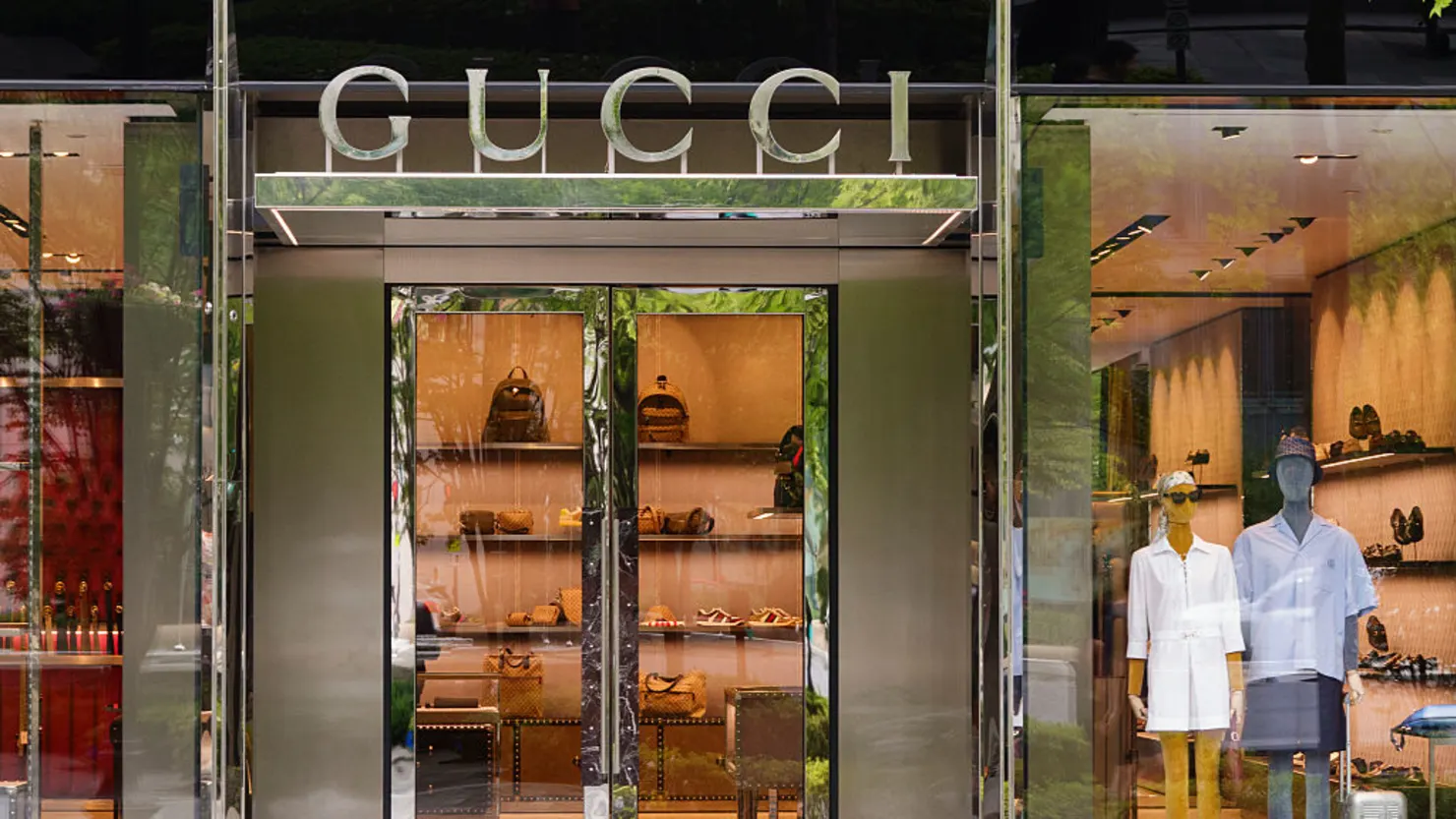
Shares of French luxury conglomerate Kering surged by nearly 10% on Monday following reports that the company has chosen Luca de Meo, an executive from outside the fashion world, as its next Group CEO. The move signals a bold step in Kering’s ongoing effort to revive its struggling brands, particularly Gucci and Saint Laurent, after several years of disappointing performance.
De Meo’s exit from Renault was officially confirmed on Sunday. In a statement, the French automaker announced that the veteran executive would be stepping down “to take on new challenges outside the automotive sector,” though he will remain in his position until July 15. The news, first reported by French newspaper Le Figaro, sent Kering shares soaring, while Renault’s stock fell around 7% as investors reacted to the leadership shift.
Known for his marketing acumen and leadership in brand management, de Meo is widely recognized as a transformative figure in the automotive industry. During his three decades in the sector, he held key roles at Toyota, Fiat, and Volkswagen, before taking over at Renault in 2020. Under his leadership, Renault’s share price nearly doubled, marking one of the most successful turnarounds in recent European automotive history.
Analysts have responded positively to the reports of his appointment, noting that de Meo’s strengths align well with the needs of the luxury sector. “Brand management and marketing are his forte,” analysts at Bernstein wrote, suggesting his skills could complement Kering’s ambitions to rebuild its luxury image.
However, the road ahead will be challenging. The luxury market has entered a volatile period, and Kering’s performance has lagged behind rivals like LVMH and Hermès. Over the past two years, Kering’s stock has lost more than 60% of its value, weighed down by a series of profit warnings and creative leadership changes at Gucci. Once the crown jewel of Kering’s portfolio, Gucci has struggled to maintain consumer appeal, especially in China—a market that was once central to its success but has recently cooled due to shifting economic conditions.
Sources cited by Reuters indicate that Kering’s long-time chairman and CEO, François-Henri Pinault, is planning a leadership restructuring. Pinault, who has led the company for nearly two decades, is reportedly looking to separate the roles of chair and CEO to facilitate a smoother transition. It remains uncertain whether he intends to continue as chair once a new CEO is formally in place.
Industry observers, such as Citi’s senior equity analyst Thomas Chauvet, have praised de Meo’s strategic vision and embrace of innovation at Renault, noting that these qualities could prove valuable in his new role. Yet, Chauvet also warned that luxury brand turnarounds are increasingly complex and capital-intensive. “Consumers today favor established top-tier brands,” he said, “making transitions far more difficult and disruptive to profitability.”
Chauvet added that both Gucci and Saint Laurent still require extensive work to regain their momentum. Success in revitalizing these brands, he said, could lead to significant growth in both revenue and valuation for Kering in the long term.
In April, Kering reported a disappointing 14% year-on-year decline in first-quarter sales, with Gucci leading the downturn after a 25% drop in comparable revenue. The company cited macroeconomic headwinds and weak consumer demand in Asia as key challenges. To address this, Kering announced in March that Demna Gvasalia, known for his avant-garde approach at Balenciaga, would become Gucci’s new artistic director. His debut collection is expected to launch in the Spring/Summer 2026 season.
While investors have expressed mixed reactions to Gvasalia’s appointment—given past controversies surrounding his designs—many see de Meo’s potential arrival as a sign that Kering is ready to take decisive action. If he can successfully combine his strategic discipline with creative reinvention, de Meo’s leadership may mark the beginning of a new era for Kering’s most iconic brands.