Andrew Ross Sorkin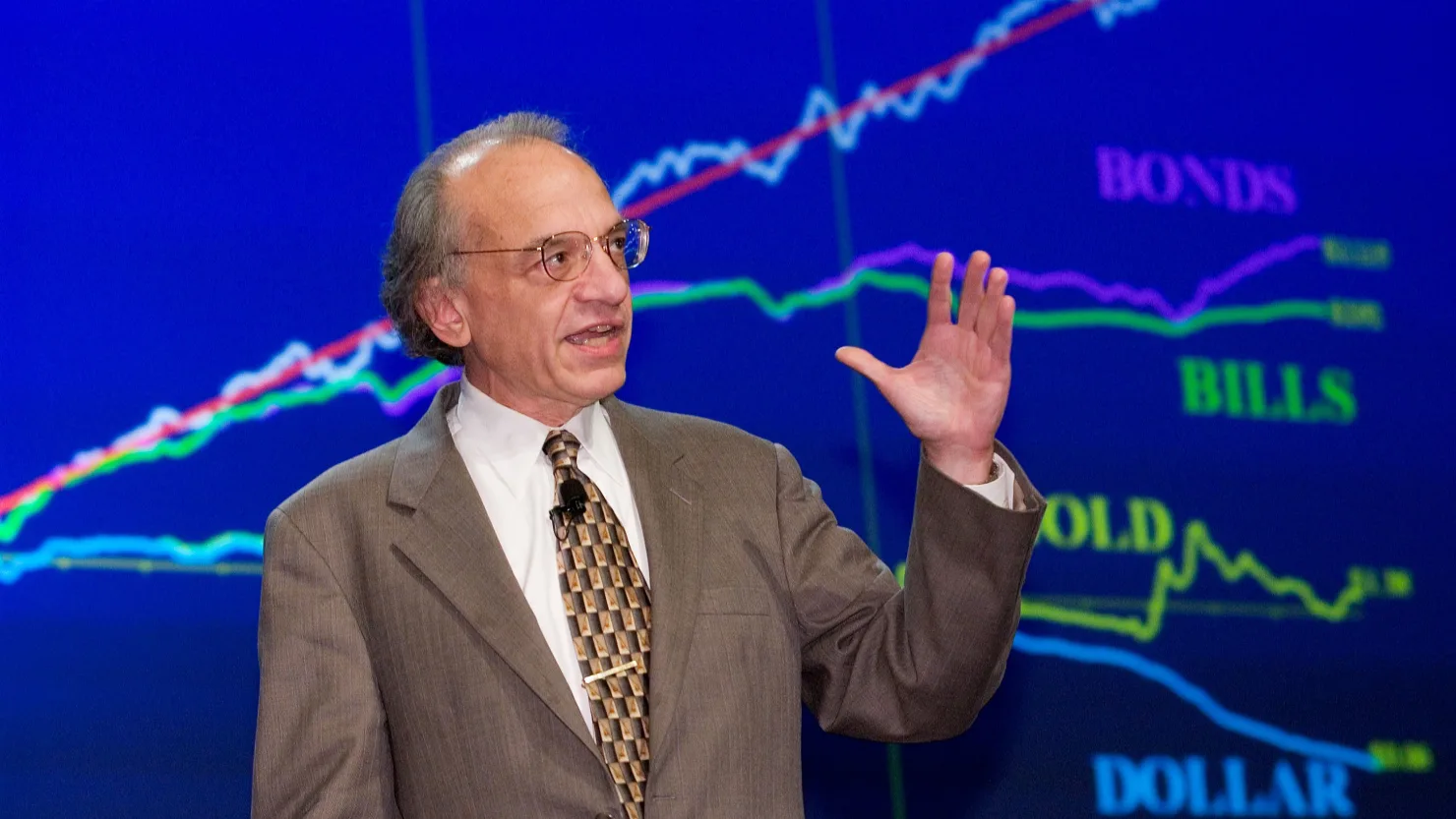
China’s dominance over the global supply of rare earth materials has long been viewed as a serious risk to Western economies, according to University of Pennsylvania professor emeritus of finance Jeremy Siegel. Speaking on CNBC’s “Squawk Box” Monday, Siegel warned that the United States urgently needs to establish a national reserve of these critical metals to secure its technological and defense industries.
“It’s astonishing that we don’t already have a strategic reserve for rare earths and that we’ve allowed China to control around 90% of global refining capacity,” Siegel said. “We should have recognized their importance years ago.”
His remarks came amid escalating tensions in the ongoing U.S.-China trade dispute. On Friday, President Donald Trump announced plans to impose “massive tariffs” on Chinese goods in response to Beijing’s decision to restrict exports of rare earth minerals to the U.S. He also hinted that a scheduled meeting with Chinese President Xi Jinping could be canceled. The announcement triggered a sharp sell-off in financial markets, wiping out approximately $2 trillion in market value.
The situation has drawn comparisons to the 1970s energy crisis, which prompted Washington to create the Strategic Petroleum Reserve in 1975 following the Arab Oil Embargo. Siegel suggested that a similar measure should now be taken to safeguard supplies of rare earth metals — materials essential for manufacturing smartphones, electric vehicles, and advanced military equipment.
According to analysts at Bank of America, China currently mines nearly 75% of the world’s rare earth minerals and refines about 90% of them. This dominance gives Beijing significant leverage over global technology supply chains. “Export restrictions could easily become a choke point for global production,” BofA global economist Claudio Irigoyen noted in a recent report to clients.
Despite the heightened rhetoric, Siegel remains optimistic that both sides will find common ground before Trump’s November 1 tariff deadline. “They’ll work it out,” he said, suggesting that the president’s latest comments were meant more as a negotiation tactic than a firm policy stance. “Trump is basically saying, ‘These are my cards, now let’s see yours.’”
Siegel, who authored the investment classic Stocks for the Long Run, also pointed out that the November 1 date is unusually distant for a tariff threat, implying that Trump is leaving room for diplomatic talks. “It’s actually the longest lead time he’s ever set, which tells me he wants to resolve this,” Siegel explained.
Financial markets appeared to share that cautious optimism. After a steep drop last Friday, the S&P 500 rebounded about 1.2% in early Monday trading, while the Nasdaq Composite gained nearly 2% as technology stocks staged a recovery.
Siegel believes the market could continue to climb once the trade tensions subside. “When this is finally settled, considering all the other positive factors in the economy, there’s no reason we can’t see new record highs,” he said.