Andrew Ross Sorkin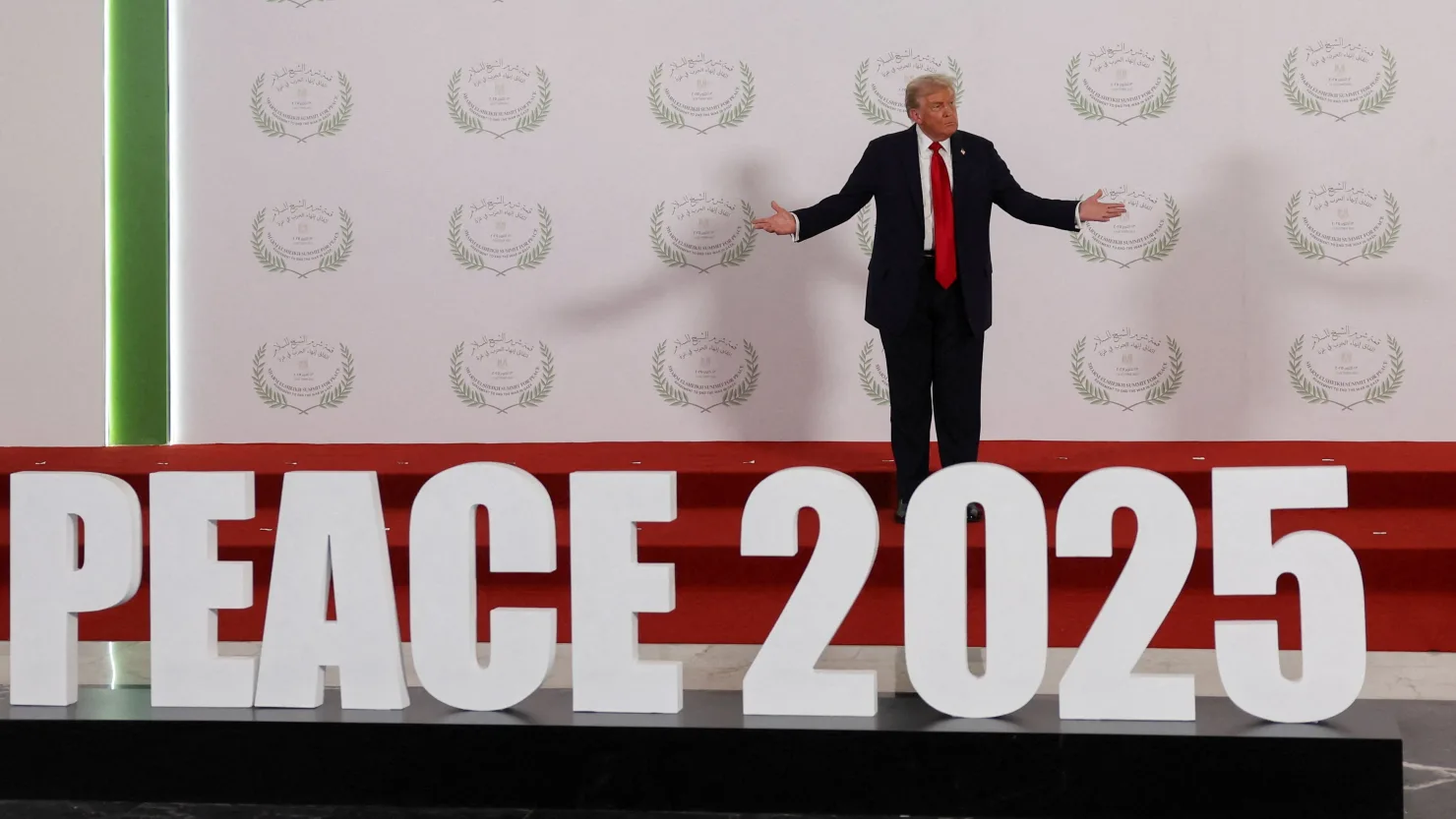
It might not be Christmas yet, but according to U.S. President Donald Trump, peace has finally arrived in the Middle East.
Speaking before Israel’s parliament, the Knesset, on Monday, Trump declared that the “long and painful nightmare” between Israelis and Palestinians had come to an end. When asked directly by reporters if the war in the Middle East was truly over, the president’s response was a confident “yes,” as reported by Reuters.
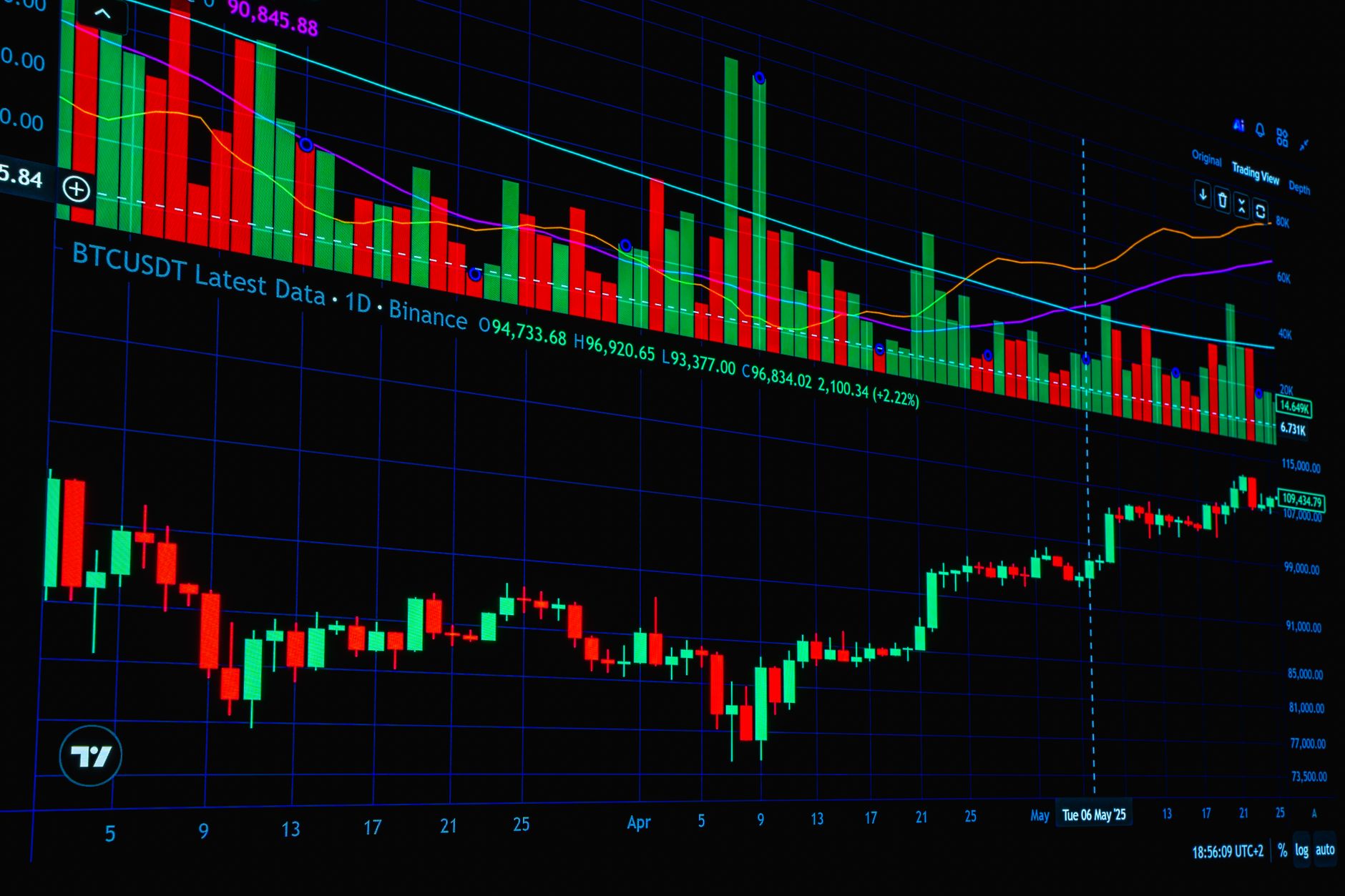
Markets also seemed to embrace a more positive outlook, though for entirely different reasons. After sending markets tumbling on Friday with a sweeping 100% tariff hike on Chinese imports, Trump appeared to soften his tone. In a post on Truth Social, he reassured the public that “it will all be fine” with China — a remark that immediately calmed traders and triggered a market rebound.
Wall Street Rebounds: Technology Leads the Way
Investors wasted no time getting back into risk assets. Major U.S. stock indexes bounced higher, with the technology sector spearheading the recovery. Shares linked to quantum computing rose sharply after JPMorgan Chase announced a $10 billion investment in key industries tied to national interests.
One of the biggest winners of the day was Broadcom, whose stock soared nearly 10% following news of a partnership with OpenAI to co-develop and deploy custom chips. The collaboration will focus on building 10 gigawatts of OpenAI-designed processors starting late next year. However, the new alliance raises questions about how this might affect Nvidia — a long-standing partner and hardware supplier to OpenAI.
While the holidays are still weeks away, OpenAI is increasingly being compared to Silicon Valley’s version of Santa Claus — distributing innovation, opportunity, and perhaps more importantly, a growing flow of capital across the tech landscape.
Global Business Highlights
Broadcom and OpenAI join forces. The semiconductor giant and AI powerhouse announced plans to co-develop specialized chips to support large-scale artificial intelligence operations. Investors responded enthusiastically, sending Broadcom shares up almost 10%.
China tightens the screws on South Korean companies. Beijing added five U.S.-based subsidiaries of Hanwha Ocean to its sanctions list on Tuesday. The move, reportedly linked to Washington’s ongoing investigation into China’s shipping industry, sent Hanwha’s stock plunging.
Tata Electronics makes a strategic acquisition. India’s Tata Electronics has acquired the Indian arm of Chinese industrial firm Justech Precision — a supplier to iPhone manufacturer Foxconn — for roughly $100 million, according to sources familiar with the deal.
U.S. stocks regain momentum. On Monday, major U.S. indexes clawed back much of Friday’s losses. In Asia, markets were mixed on Tuesday, though LG Electronics India made headlines as its shares jumped more than 45% in their market debut — surpassing the market capitalization of its parent company.
European markets less exposed to trade tension. While Trump’s latest tariff wave hasn’t directly targeted Europe, the weakening U.S. dollar could pressure European exporters. UBS analysts highlighted three sectors expected to weather the turbulence — notably leaving one major sector out of their recommendations.
The U.S. Extends a Lifeline to Argentina
In an unexpected turn of international finance, the U.S. Treasury announced an extraordinary bailout for Argentina. Treasury Secretary Scott Bessent revealed on social media platform X that the United States will provide a $20 billion currency swap line to Argentina’s central bank — effectively exchanging U.S. dollars for Argentine pesos to stabilize the nation’s volatile currency.
The intervention comes as Argentina faces liquidity shortages and mounting political tension ahead of crucial midterm elections. The $20 billion move not only aims to reinforce financial stability but also marks the first U.S. rescue of this scale since Washington’s 1995 support for Mexico during its peso crisis.
The world is watching closely — not just for the geopolitical implications of Trump’s “peace declaration” in the Middle East, but also for how U.S. financial influence continues to reshape global markets and alliances.