Andrew Ross Sorkin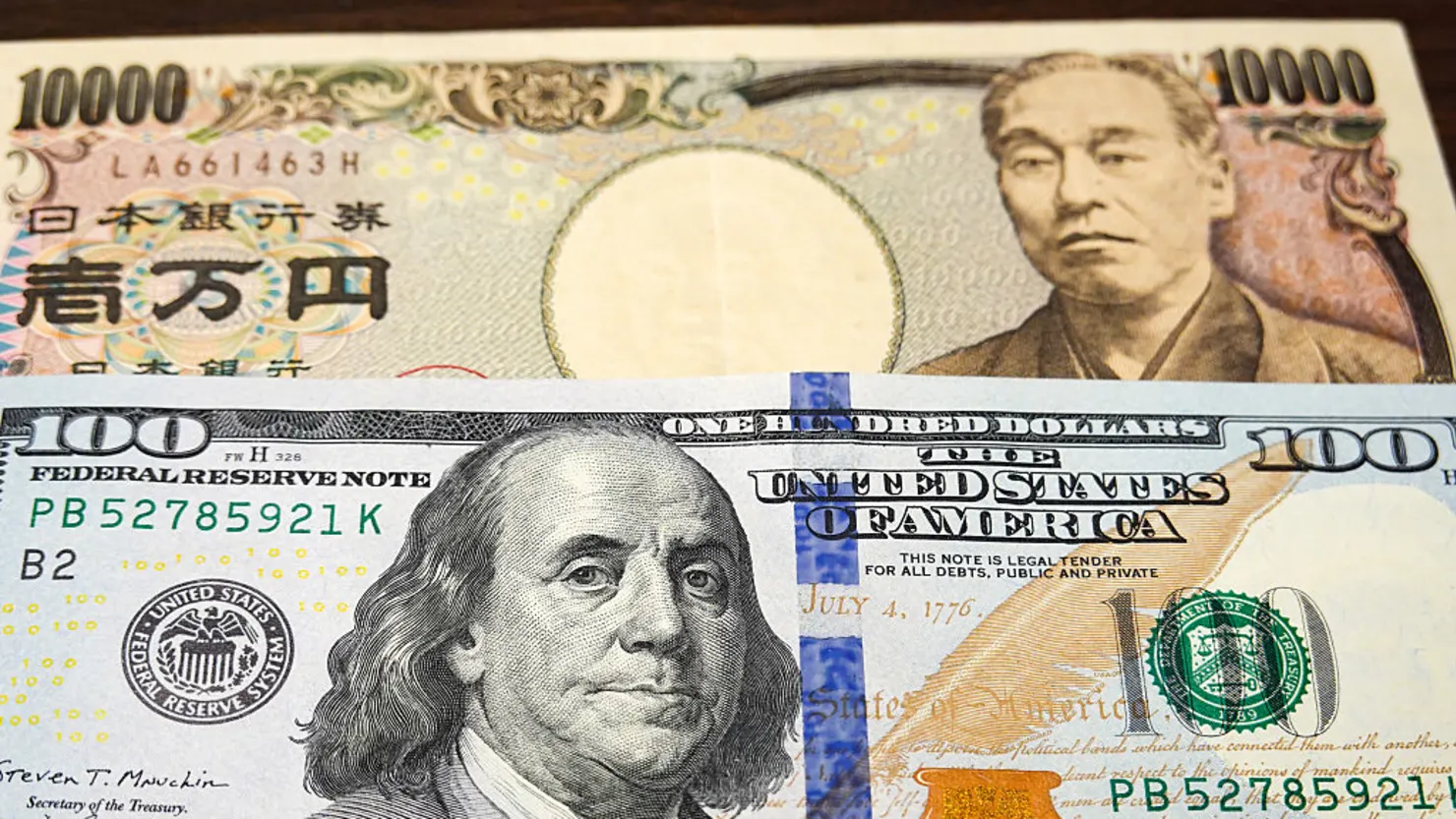
The U.S. dollar remained steady on Tuesday as investors grew more optimistic about a potential easing of trade tensions between Washington and Beijing. This came after President Donald Trump softened his earlier stance on tariffs against China and hinted at a possible meeting with Chinese President Xi Jinping.
After a turbulent end to last week—when Trump abruptly announced a 100% tariff hike on Chinese goods bound for the U.S. before adopting a more conciliatory tone over the weekend—currency markets in Asia opened on a calmer note.
Adding to the sense of stability, U.S. Treasury Secretary Scott Bessent confirmed on Monday that plans are still in place for Trump to meet Xi in South Korea later this month. The news helped revive confidence in the dollar, which stayed firm and kept the euro trading below $1.16, at around $1.1566.
Meanwhile, the British pound slipped slightly by 0.06% to $1.3328, and the New Zealand dollar fell to a six-month low of $0.57145.
“There seems to be a shared interest in finding a diplomatic off-ramp to prevent relations from deteriorating further,” said Homin Lee, senior macro strategist at Lombard Odier. “Both the U.S. and China understand that neither can simply ignore the other’s influence. A renewed escalation without a clear resolution would likely be too damaging for both sides, so we expect efforts to reach a compromise.”
The U.S. dollar index, which tracks the currency against a basket of peers, edged up 0.04% to 99.34. The Australian dollar held steady at $0.6516, while the Japanese yen weakened around 0.2% to 152.57 per dollar.
Japanese markets reopened on Tuesday following a long weekend, but uncertainty lingered over the country’s political direction. The ruling coalition was shaken on Friday when its junior partner withdrew support for Sanae Takaichi, whose bid to become Japan’s first female prime minister had generated significant attention.
The development momentarily eased the yen’s recent steep decline as traders reassessed the likelihood of major fiscal spending under new leadership. However, the yen still hovered near eight-month lows.
“Given the current interest rate gap between the U.S. and Japan, the dollar-yen exchange rate shouldn’t realistically be at 152,” said Nigel Foo, head of Asian fixed income at First Sentier Investors. “I expect the yen to regain some strength in the coming weeks.”
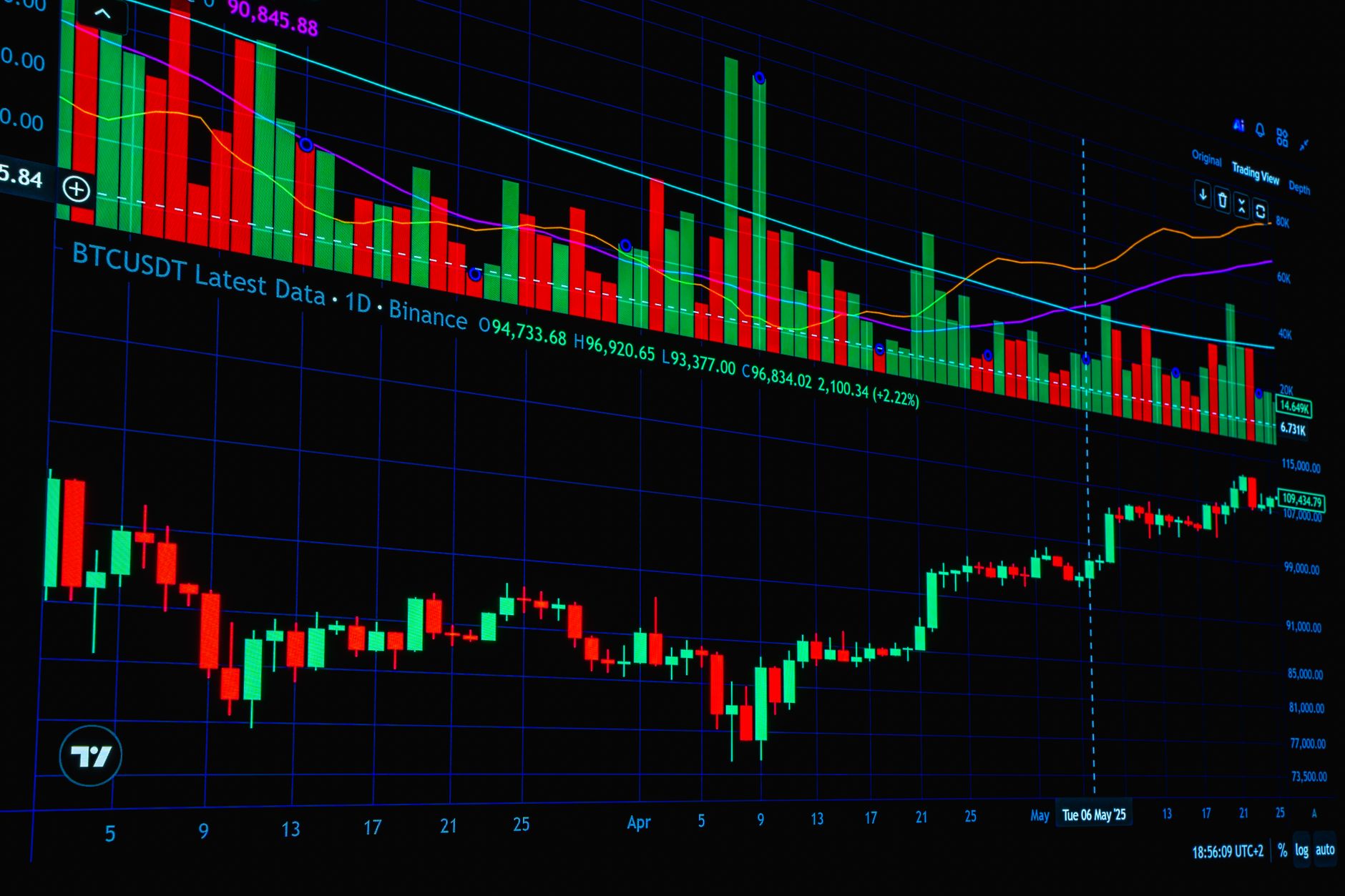
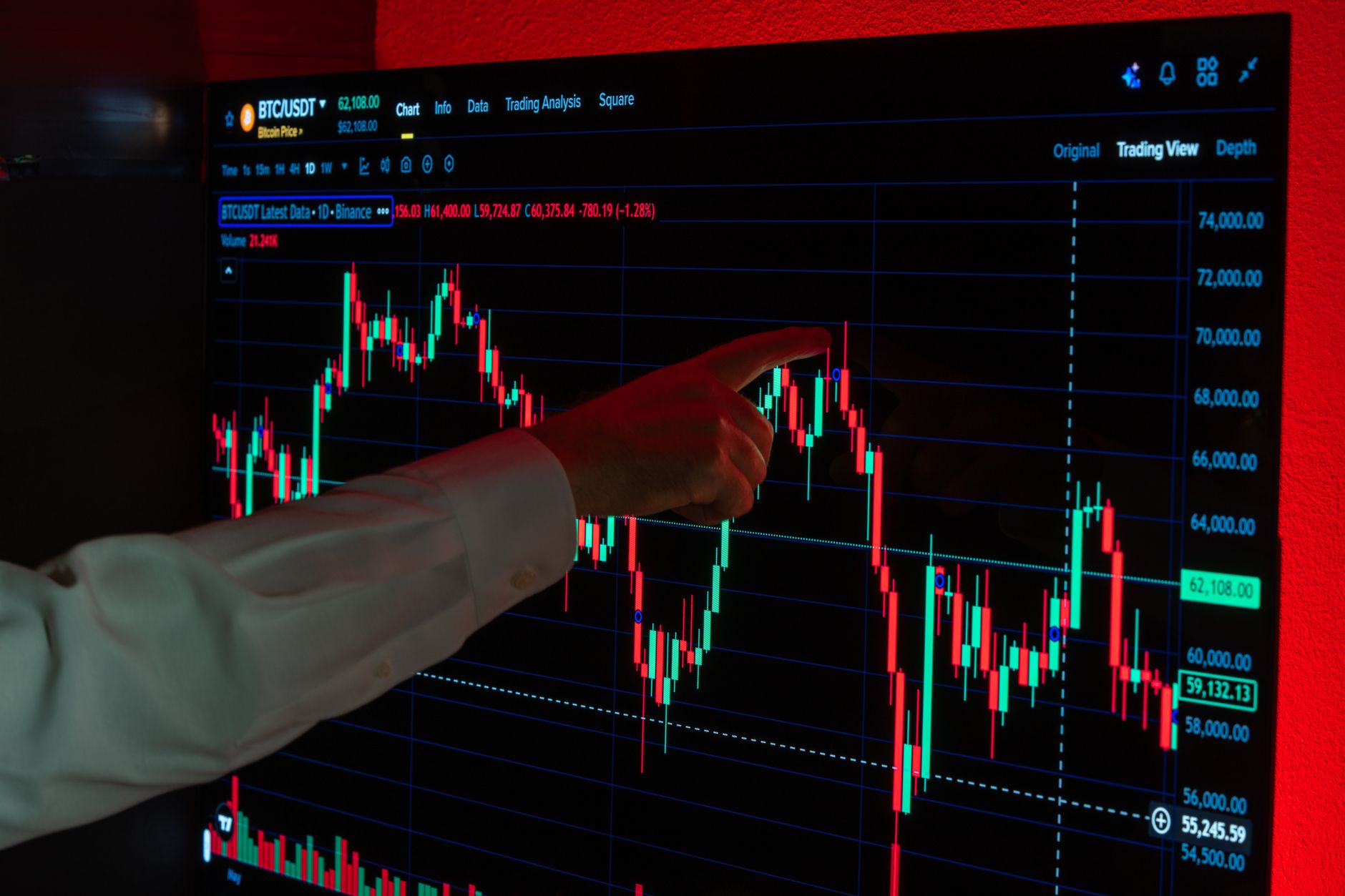
In the cryptocurrency market, bitcoin slipped 0.36% to $115,380.19, extending last week’s sharp losses when it dropped more than 6% amid broader risk aversion. Ether also declined 0.77% to $4,256.42, after losing nearly 8% over the same period.
Analysts said the crypto market faced over $19 billion in liquidations on Friday as widespread panic selling and thin liquidity led to extreme volatility across major digital assets.