Andrew Ross Sorkin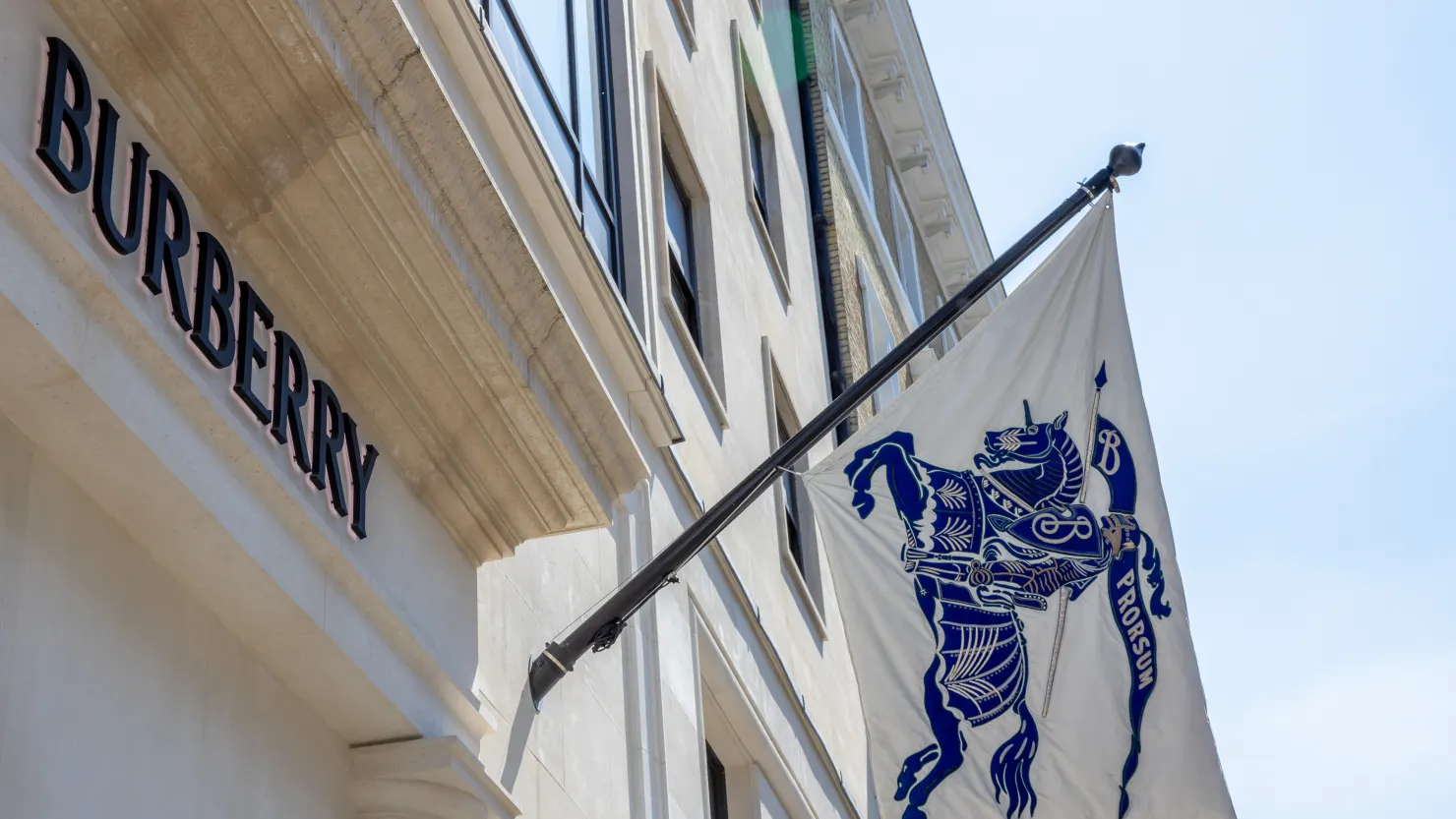
Burberry announced a series of major organizational changes on Wednesday as part of its ongoing effort to revive the struggling British luxury brand. The restructuring marks a new stage in CEO Joshua Schulman’s turnaround plan, which aims to cut costs, streamline operations, and restore long-term profitability.
According to the company, the initiative could eventually reduce people-related expenses and affect around 1,700 roles worldwide by the time the program concludes in 2027. The cost-cutting measures will focus on procurement, real estate, and other operational areas, with projected savings of £60 million ($79.9 million). Combined with earlier measures introduced in November, the total estimated cost savings now stand at £100 million.
Approximately 20% of Burberry’s global workforce will be impacted, with reductions expected primarily among corporate staff, retail employees, and factory workers at its Castleford manufacturing site in England. Despite the announcement, Burberry’s stock surged 17% by the end of the trading day, signaling cautious investor optimism about Schulman’s latest strategy.
In its most recent earnings report, Burberry revealed that sales for the fiscal fourth quarter declined by 6%—slightly better than the 7% drop analysts had predicted. For the full fiscal year, sales were down 12%, marginally outperforming expectations of a 13% decline. Annual revenue reached £2.461 billion ($3.273 billion), just above the estimated £2.451 billion.
Sales weakened across all major markets, particularly in Asia-Pacific, where demand remained sluggish. The Americas, which had shown growth in the previous quarter, recorded a 4% decline in the three months ending in March. Burberry attributed the downturn in part to rising global uncertainty and shifting macroeconomic conditions.
“The current geopolitical environment has made things more unpredictable,” the company said in its statement. “However, we remain confident in our strategy and our ability to deliver long-term, sustainable, and profitable growth.” Schulman echoed this optimism, emphasizing that although the company is still in the early stages of its turnaround, he believes “Burberry’s best days are ahead.”
The company refrained from giving detailed projections on the potential financial impact of U.S. tariffs but acknowledged that escalating geopolitical tensions could lead to additional tariff risks not accounted for in its central forecasts.
Chief Financial Officer Kate Ferry described the situation as “very dynamic,” noting that the U.S. accounts for roughly 19% of Burberry’s total business. “Wherever tariffs end up, we’re confident that we’ll be able to adapt,” Ferry said during Wednesday’s earnings call.
Schulman, who joined Burberry in July from Michael Kors, became the fourth CEO of the 169-year-old company in the past decade. Since his appointment, he has launched a comprehensive review of Burberry’s operations and brand positioning, vowing to “course correct” after years of weak sales and frequent leadership changes.
Yet, analysts have expressed skepticism about the speed and scope of the turnaround. Jefferies analysts noted that Burberry’s recovery appears to be “in slow-burn mode,” with significant progress still to come. They also questioned whether Schulman’s emphasis on core products like the brand’s iconic trench coat can generate enough momentum in a market driven by constant newness and innovation.
As Yanmei Tang of Third Bridge observed, “The trench coat remains an undisputed symbol of Burberry’s heritage—but as a lifetime product, it limits repeat purchases. Unlike fast-changing fashion trends, a timeless classic doesn’t bring customers back every season.”
Burberry’s challenge now lies in balancing its storied identity with the need for modern relevance. Schulman’s strategy—combining disciplined cost management with creative renewal—will determine whether the historic fashion house can reclaim its position at the forefront of global luxury in the years to come.