Andrew Ross Sorkin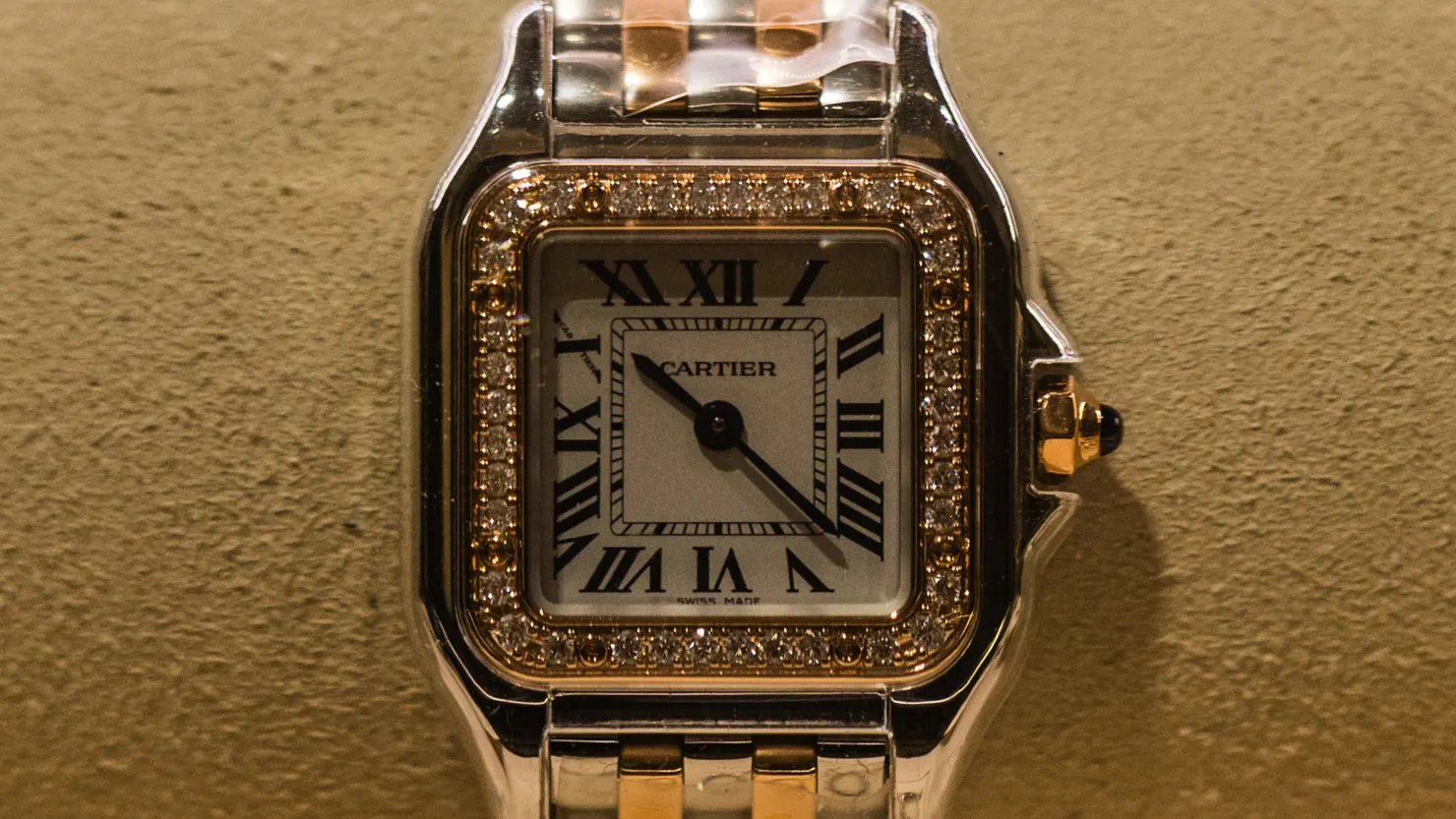
Cartier’s parent company, Richemont, reported stronger-than-expected earnings for the fourth quarter of its fiscal year, as the world’s wealthiest consumers continued spending despite ongoing global economic concerns.
For the three months ending in March, the Swiss luxury group’s revenues rose 7% year over year at constant exchange rates, reaching 5.17 billion euros ($5.79 billion) — surpassing analysts’ expectations of 4.98 billion euros, according to an LSEG poll. The company’s shares responded positively, jumping 6.9% and ending the day as one of the top performers in the Stoxx 600 index.
The impressive quarterly performance was primarily driven by double-digit growth in Richemont’s Jewellery Maisons division, which includes renowned brands such as Cartier, Van Cleef & Arpels, and Buccellati. These maisons continued to attract high-end clientele globally, reinforcing the strength of Richemont’s jewelry segment as a key growth engine.
However, the company’s specialist watchmaking division—home to luxury names like Piaget and Roger Dubuis—experienced a decline in sales, particularly due to weaker demand in the Asia-Pacific region. Despite this setback, Richemont’s overall full-year sales rose 4% to 21.4 billion euros, slightly exceeding expectations of 21.34 billion euros and marking another year of steady growth.
When broken down by geography, annual sales increased across nearly all regions except Asia Pacific (excluding Japan), which remains Richemont’s largest market. The decline in this area was largely driven by a 23% drop in China, where slower economic recovery and lower consumer confidence continue to affect luxury demand. In contrast, Japan stood out as the company’s best-performing market, with sales climbing 25% at actual exchange rates. This growth was fueled by strong local consumption, a surge in tourist spending, and the advantage of a weak yen that made luxury products more attractive to international shoppers.
Richemont Chairman Johann Rupert commented that the group’s performance remained solid overall, citing “remarkable growth” from its jewelry brands, steady retail momentum, and improved results from