Andrew Ross Sorkin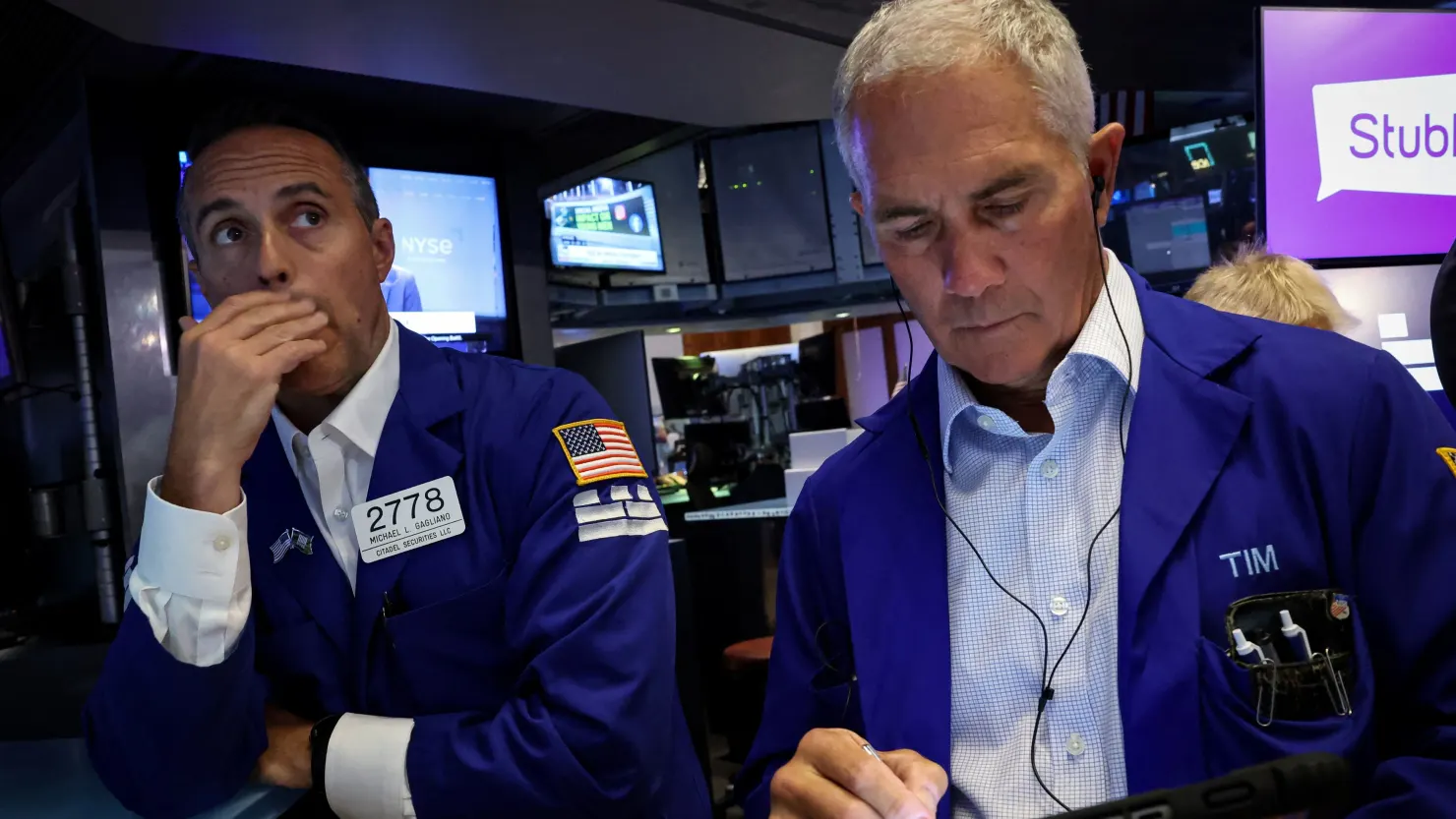
The U.S. economy, once thought to be inching toward recession, is showing unexpected resilience — powered by a booming stock market that seems immune to tariffs, political tension, and a sluggish job landscape. Rising market wealth is fueling consumer confidence and spending, helping to stabilize growth that many believed was about to falter.
Recent data offered a surprisingly optimistic picture. Consumer spending and income both exceeded expectations in August. Orders for big-ticket items remained strong, inflation pressures were mild, and the housing market showed fresh momentum — with new home sales reaching a three-year high.
For much of the past few years, these positive trends were supported by trillions in pandemic-era stimulus, historically low interest rates, and Federal Reserve liquidity measures. But today, the story has shifted. The main driver is now the so-called “wealth effect” — the sense of financial security that comes when stock portfolios soar and investors feel richer.
Mark Zandi, chief economist at Moody’s Analytics, explained this dynamic on CNBC: “Much of today’s spending is coming from high-income, high-net-worth households. Their stock portfolios are performing well, and that gives them the confidence to keep spending.”
The markets have indeed had a strong year. Fueled by surging investments in artificial intelligence, along with solid gains from major industrial and communications companies, the Dow Jones Industrial Average has climbed over 9%, while the Nasdaq Composite has jumped 23%.
Consumers generally feel better when the job market is stable and stocks are climbing. Yet, despite this economic strength, the University of Michigan’s consumer sentiment index has dropped 23% since January, when President Donald Trump took office.
The Two Faces of Confidence
In September, the University of Michigan’s sentiment index fell another 5.3%. Survey Director Joanne Hsu noted an important split: consumers with significant stock holdings reported steady optimism, while those with little or no investments grew more pessimistic.
This divide reflects a broader truth — the top 10% of U.S. earners own nearly 87% of the stock market, according to data from the St. Louis Federal Reserve. For these households, Wall Street’s record-breaking highs bring satisfaction and spending power. But it also highlights the economy’s vulnerability if the market were to reverse course.
“The economy is built on fragile ground,” Zandi warned. “If the stock market suddenly drops, those same households will pull back on spending. With job growth already weak, that could quickly tip the economy into recession.”
Valuations are one major concern. The S&P 500 currently trades at about 22.5 times expected earnings for the next year — well above the five- and ten-year averages of 19.9 and 18.6, according to FactSet. Still, few signs of immediate recession have emerged.
In August, consumer spending rose 0.6%, exceeding forecasts. Even after adjusting for inflation, spending increased 0.4%, suggesting that households are continuing to absorb higher prices.
Inflation remains above the Federal Reserve’s 2% target — with core inflation at 2.9% — but the pace of monthly increases has stabilized. Economists now widely expect the Fed to cut rates in October, and possibly again in December, to support continued growth.
Chris Zaccarelli, chief investment officer at Northlight Asset Management, summed up the moment: “The economy keeps surprising to the upside. Despite all the negative sentiment in surveys, consumers are still spending — and that’s why corporate earnings continue to beat expectations.”
A Balancing Act Between Optimism and Risk
More signs of strength have emerged. Second-quarter GDP growth was revised up to 3.8% annually, driven largely by stronger consumer spending. The Federal Reserve Bank of Atlanta now projects third-quarter GDP growth near 3.9%, a half-point higher than its previous estimate.
Orders for durable goods rose unexpectedly, and new home sales surged 20%. Even as job creation has flattened, layoffs remain historically low, pointing to a still-stable labor market.
Still, economists caution that the current expansion is disproportionately supported by wealthier consumers. “When people grow pessimistic about the economy, they often cut back on spending,” said Elizabeth Renter, senior economist at NerdWallet. “That hasn’t happened yet — and it’s been consumer strength that’s kept the economy afloat through high inflation and interest rates.”
But Renter also noted how uneven the recovery feels. “Wealth offers a buffer against volatility, and investors have largely been fine,” she said. “Yet many Americans remain anxious. Rising food prices and constant headlines about inflation and weak job growth keep them uneasy about their place in the economy and its direction.”
The U.S. economy may still be standing tall, supported by confident investors and steady consumers. But if Wall Street’s optimism fades, that foundation could quickly weaken — turning today’s wealth-driven boom into tomorrow’s economic test.