Andrew Ross Sorkin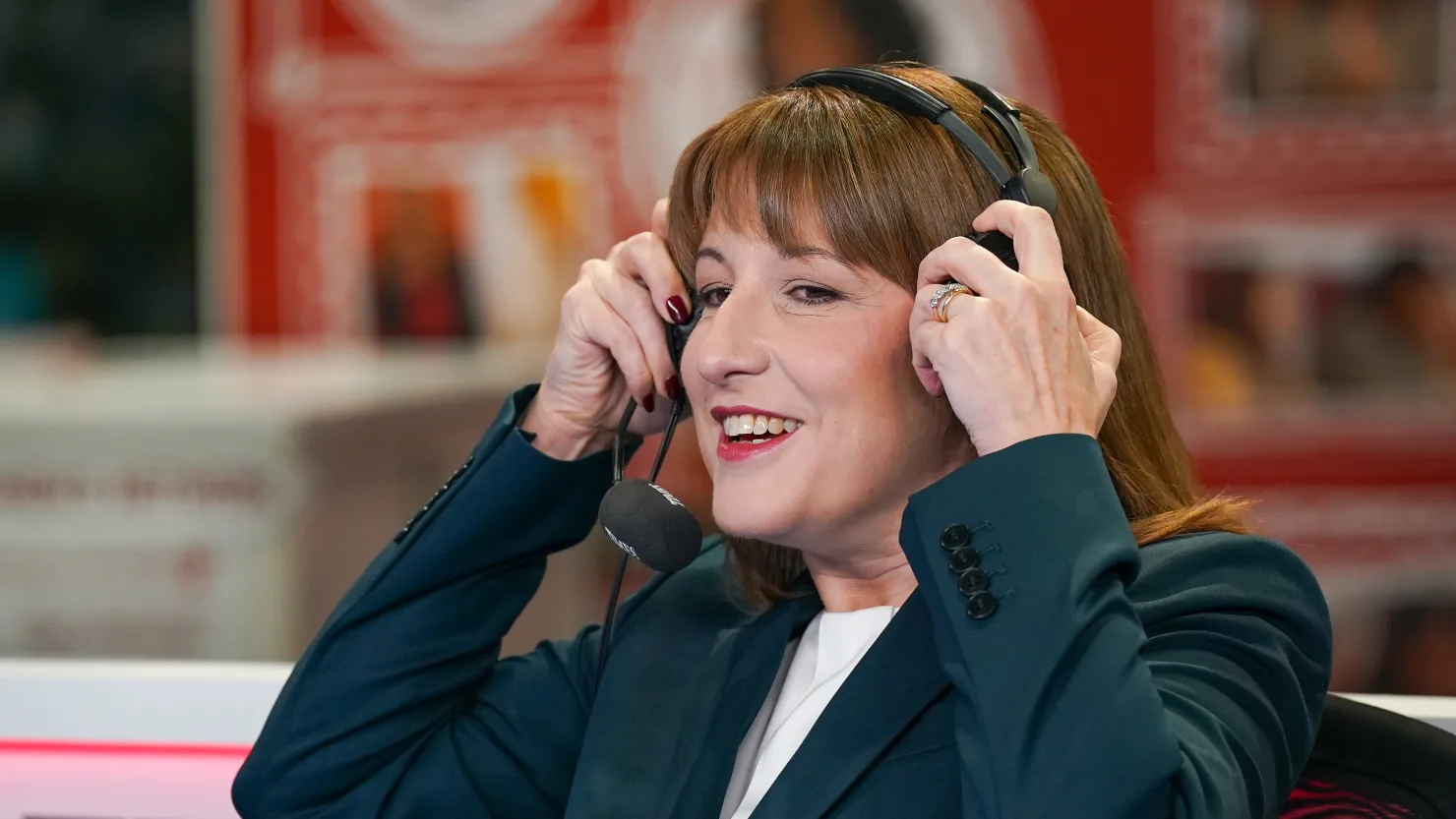
U.K. Chancellor Rachel Reeves offered few hints on Monday about how she plans to address Britain’s growing fiscal challenges, as anticipation builds for the government’s upcoming Autumn Budget. Speaking at the Labour Party’s annual conference in Liverpool, Reeves emphasized her vision for the country’s “economic renewal,” with a central focus on eradicating long-term youth unemployment.
Rather than unveiling details about potential tax increases or spending reductions, the finance minister introduced a new initiative called the “Youth Guarantee.” The plan aims to help thousands of unemployed young people transition into paid work, apprenticeships, or continued education.
“Every young person will be guaranteed either a place in college for further studies, an apprenticeship to gain critical trade skills, or personalized support to secure employment,” Reeves said during her address. She further noted that anyone who remains unemployed for 18 months would be offered a paid work placement, providing “real work, practical experience, and new skills.”
Although Reeves avoided direct mention of the forthcoming budget, she acknowledged the difficult decisions that lie ahead. “In the coming months, we will face new challenges,” she warned. “Global headwinds and the long-term damage to our economy have made the choices before us even harder.”
Growing Concerns Over Fiscal Stability
Despite Reeves’s optimistic tone about youth employment, her remarks did little to calm public and market concerns that higher taxes may soon be unavoidable. Economists estimate that the government could be facing a shortfall of up to £50 billion ($67 billion), driven by increased spending on welfare and public services, weak economic growth, and rising borrowing costs.
Reeves’s own fiscal commitments have added pressure to the situation. Over the past year, she has introduced new spending measures, reversed planned welfare cuts, and pledged to adhere to strict self-imposed fiscal rules — including reducing national debt and borrowing only to invest. These constraints have limited her flexibility to maneuver amid worsening economic conditions.
In her previous Autumn Budget, Reeves implemented roughly $40 billion in tax increases that largely targeted businesses and employers. While she raised the minimum wage and national insurance contributions, she vowed not to impose further burdens on the private sector. The Labour Party also pledged not to increase taxes on working individuals before its landslide victory in July 2024.
However, with limited options available, Reeves may now be forced to revisit those promises. “The Chancellor is boxed in by her own numbers and by political reality,” said Nigel Green, CEO of the financial advisory firm deVere Group. “Markets will demand fiscal discipline, while her party will call for greater public spending. The path of least resistance is higher taxation.”
He added that investors should be prepared for “a broad-based tax grab,” warning that the Treasury could seek revenue “wherever it can find it” as bond yields remain high and deficits widen.
Facing Political and Economic Pressure
Reeves has faced intense scrutiny in recent months following emotional scenes in Parliament earlier this year, when reports surfaced suggesting she might lose her position amid accusations of economic mismanagement. Nevertheless, Prime Minister Keir Starmer has consistently stood by his chancellor, signaling confidence in her leadership.
Both Starmer and Reeves have recently suggested that tax increases could be imminent. In an interview with the BBC on Monday, Reeves declined to rule out extending the current freeze on income tax thresholds — meaning more workers could be pushed into higher tax brackets over time.
“I can’t make that guarantee,” Reeves said, citing ongoing global instability. “The world has changed — from trade tensions to wars in Ukraine and the Middle East — and so have the fiscal realities we face.”
Still, she reaffirmed Labour’s earlier commitment not to raise VAT, the value-added tax on goods and services, echoing Starmer’s own remarks from the previous day.
As the Nov. 26 Autumn Budget approaches, Reeves finds herself walking a political tightrope — balancing market expectations for fiscal responsibility with the Labour Party’s promises to rebuild the economy and protect working families. Whether she can reconcile those competing pressures without breaking key campaign pledges may define both her chancellorship and the credibility of Britain’s new government.