Andrew Ross Sorkin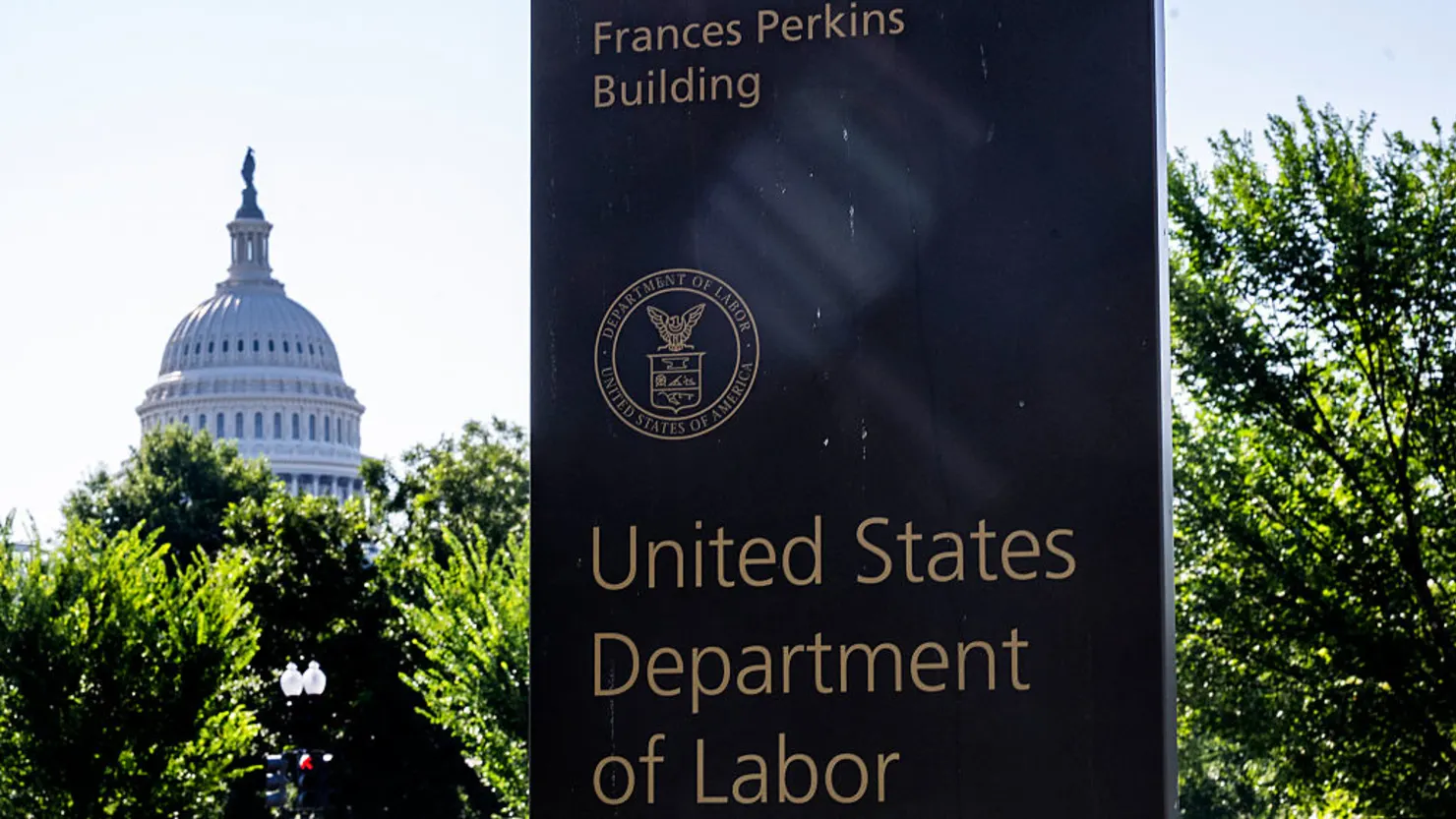
The U.S. Department of Labor (DOL) is preparing for a potential government shutdown that could trigger a complete halt to news updates and data releases, creating significant uncertainty for investors and policymakers.
In a contingency plan released on Friday, the department emphasized the need to “ensure that DOL agencies can perform an orderly suspension of programs and operations should a lapse occur, while continuing those limited activities authorized to continue during a lapse.”
This potential shutdown poses a serious concern for financial markets, as the Department of Labor and its Bureau of Labor Statistics (BLS) are responsible for issuing some of the nation’s most influential economic reports. These include employment figures, inflation data, and wage trends — all of which are essential for understanding the health of the U.S. economy and shaping the Federal Reserve’s monetary policy decisions.
According to the 73-page plan, the BLS will “suspend all operations” in the event of a government funding lapse. That means any scheduled economic reports will be postponed until normal operations resume. The absence of timely data could hinder market analysis and make it more difficult for the Federal Reserve to assess the economy ahead of its next policy meeting in late October.
Several critical reports could be affected. The monthly nonfarm payrolls report, a closely watched indicator of labor market strength, is due on Friday — just as job growth has shown signs of cooling. In addition, the weekly report on initial jobless claims, typically released every Thursday, would also be paused.
Even more importantly, the consumer price index (CPI) report scheduled for release on October 15 could be delayed. This inflation measure is the final key data point before the Fed’s next meeting on October 28-29 and could influence its interest rate decision.
The department also stated that “all active data collection activities for BLS surveys will cease,” meaning the agency will stop gathering information for ongoing research. If the shutdown extends, delays in future reports are expected as data collection backlogs accumulate.
“The BLS website will not be updated with new content or restored in the event of a technical failure during a lapse,” the plan added.
Each month, the BLS publishes around a dozen major reports on topics such as wages, employment, and import and export prices. The temporary loss of these updates could leave economists, investors, and policymakers operating in the dark at a critical time for the U.S. economy.
The looming shutdown highlights how deeply interconnected government operations are with financial markets — and how fragile economic visibility becomes when data stops flowing.