Andrew Ross Sorkin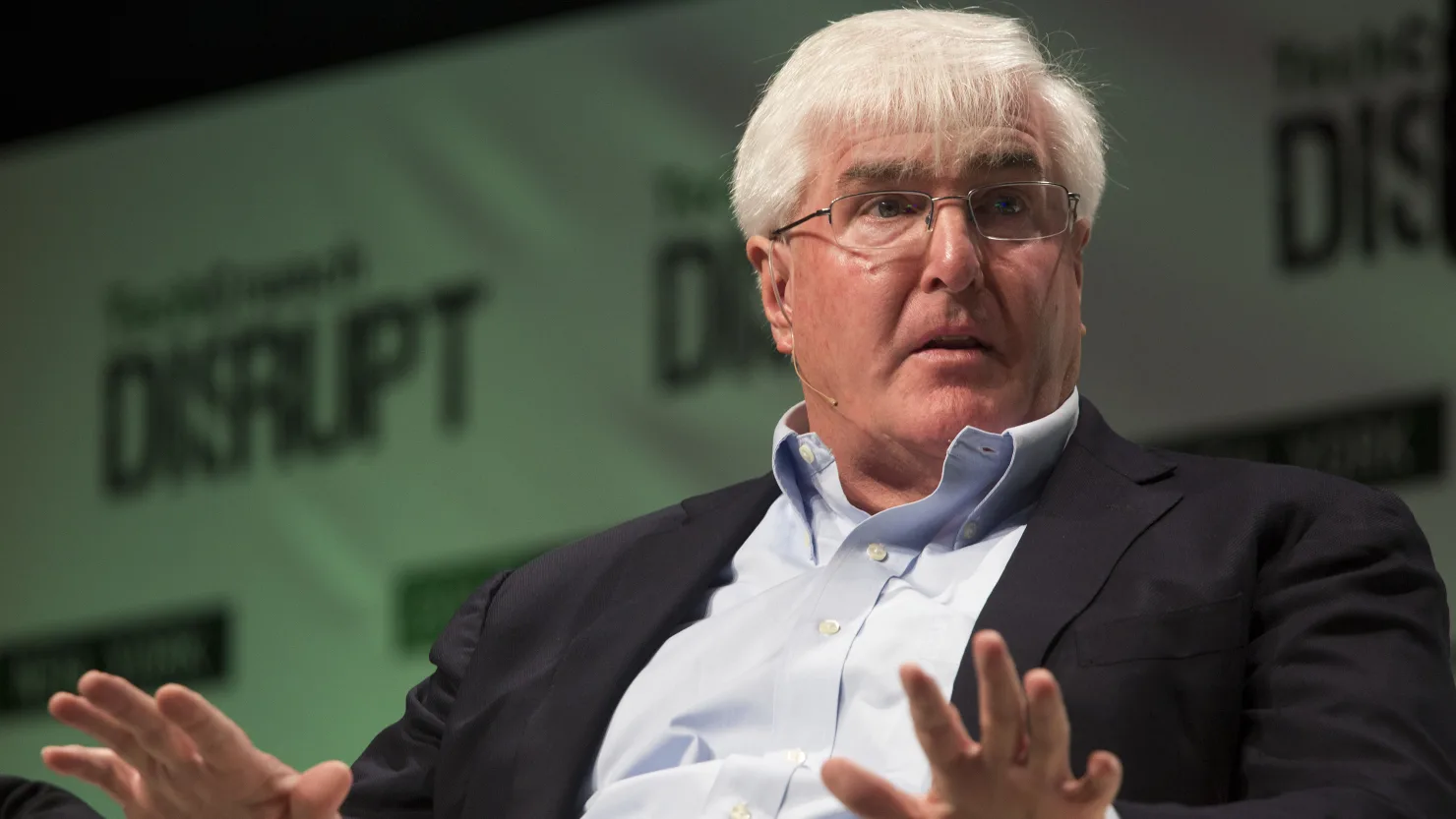
In the wake of his recent remarks suggesting that federal troops might be deployed to San Francisco, Salesforce CEO Marc Benioff is encountering notable pushback from the tech and philanthropic communities.
Prominent venture capitalist Ron Conway, a longtime investor behind major companies such as Google, Airbnb, and Stripe, resigned from the Salesforce Foundation’s board on Thursday, CNBC confirmed. Conway, who has historically been an active donor to Democratic causes, including Kamala Harris’ 2024 presidential campaign, reportedly contributed approximately $500,000 to at least two funds connected to Harris’ unsuccessful bid. His departure underscores the tension between differing views on the role of government enforcement in major U.S. cities.
The New York Times initially reported Conway’s resignation. A Salesforce spokesperson later confirmed the news via email, expressing appreciation for Conway’s longstanding contributions. “We have deep gratitude for Ron Conway and his incredible contributions to the Salesforce Foundation Board for over a decade,” the spokesperson stated, highlighting that the foundation has donated more than $250 million to public schools and education nonprofits nationwide. Among the foundation’s recent initiatives was a $30 million contribution announced earlier this week aimed at enhancing educational opportunities for young people.
Benioff’s comments come amid a broader national debate over law enforcement and the use of federal troops in American cities. The Trump administration has recently sent National Guard units to cities such as Portland, Oregon, and Chicago. These deployments sparked protests, lawsuits, and concerns over the detainment of residents and immigrants without legal representation.
In an interview with the New York Times last week, Benioff appeared to endorse a similar federal intervention in San Francisco, home to Salesforce’s headquarters. At the time, the company was preparing for its annual Dreamforce conference in downtown San Francisco. “We don’t have enough cops, so if they can be cops, I’m all for it,” Benioff told the Times. The comment immediately drew attention, triggering strong reactions from political and media circles.
Following the backlash, Benioff sought to clarify his position on social media platform X, emphasizing that public safety should primarily be the responsibility of city and state officials. However, by then, Tesla CEO Elon Musk and other right-leaning commentators had already amplified Benioff’s initial remarks. Musk, who has himself faced criticism for his personal conduct, described downtown San Francisco as a “drug zombie apocalypse.” Meanwhile, former President Donald Trump echoed the sentiment on Wednesday, labeling San Francisco “a mess” and suggesting the potential deployment of the National Guard.
Conway’s departure appears to stem from a growing misalignment of values with Benioff. According to the Times, Conway emailed Benioff, stating that their “values were no longer aligned.” While Benioff has made contributions to members of both political parties, he has notably supported Democratic presidential candidates over the years, including Barack Obama, Hillary Clinton, and Kamala Harris.
As the founder and managing partner of SV Angel, Conway has been a key figure in Silicon Valley’s early-stage venture ecosystem. Beyond investing, he has actively advocated for the tech industry in San Francisco. Conway founded sf.citi, a trade organization for the city’s tech sector, and co-founded FWD.us, an advocacy group focused on immigration reform. His philanthropic involvement extends beyond the Salesforce Foundation; he is also a major donor to UCSF Benioff Children’s Hospital, further tying his work to Benioff’s charitable initiatives.
Despite multiple requests, Conway did not respond to requests for further comment on his resignation or the circumstances surrounding it.
The situation has prompted responses from local and state officials. California Governor Gavin Newsom, along with San Francisco city leaders, held press conferences on Wednesday to assert that federal troops are not welcome in the city. Officials also highlighted a downward trend in crime, aiming to reassure residents and counter narratives suggesting San Francisco is unsafe. Conway has previously supported Newsom, including in 2021 when he publicly opposed efforts to recall the Democratic governor.
Benioff’s remarks have sparked a broader conversation about the responsibilities of corporate leaders in public policy debates. As a prominent figure in both business and philanthropy, Benioff’s statements carry weight and are scrutinized by investors, employees, and the public alike. The controversy illustrates the delicate balance tech executives must strike when commenting on politically sensitive issues, especially when such comments may influence perceptions of safety, governance, and the role of law enforcement in major urban centers.
The Salesforce Foundation, while navigating the fallout, continues its philanthropic work. Its investments in education and public service initiatives remain central to its mission, reflecting Benioff’s broader commitment to social impact. The foundation’s recent announcement of a $30 million contribution to public schools and nonprofit organizations demonstrates an ongoing focus on equity, access, and opportunity for young people across the United States.
Meanwhile, the discourse surrounding law enforcement in San Francisco highlights broader national debates over policing, urban governance, and federal intervention. The deployment of National Guard units in cities like Portland and Chicago has prompted legal challenges and civil liberties concerns, underscoring the complexities of balancing public safety with citizens’ rights. Benioff’s comments, and the subsequent amplification by political figures and media personalities, have brought these issues into the spotlight, raising questions about corporate responsibility, political engagement, and the influence of tech leaders on public policy.
San Francisco, a hub for technology and innovation, continues to grapple with issues related to housing, homelessness, public safety, and drug use. Local leaders emphasize progress in crime reduction and community engagement, pushing back against narratives portraying the city as unsafe or in decline. The debate over potential federal troop deployment underscores the tensions between local governance and federal intervention, a recurring theme in national discussions on urban management.
In resigning from the Salesforce Foundation board, Conway has sent a clear message regarding his stance on these issues. His departure reflects a broader conversation within the tech and philanthropic communities about aligning organizational values with individual beliefs. As companies like Salesforce navigate the intersection of business, philanthropy, and politics, executives must consider the implications of public statements and how they resonate with diverse stakeholders.
The situation also raises questions about the influence of social media amplification in shaping public perception. Benioff’s clarification came after his initial remarks had already been widely shared, demonstrating how quickly narratives can be formed and spread in the digital age. Musk’s description of San Francisco and Trump’s commentary exemplify how social media and political figures can magnify corporate statements, influencing public discourse and potentially impacting organizational relationships.
Looking ahead, Salesforce and its leadership face the challenge of maintaining credibility and trust among employees, investors, and the communities they serve. The company’s commitment to philanthropy, particularly in education and youth initiatives, remains a cornerstone of its public identity. At the same time, the episode highlights the scrutiny tech leaders face when engaging in political commentary, as well as the potential repercussions when personal opinions intersect with public perception and organizational affiliations.
As San Francisco continues to address its social and public safety challenges, the controversy surrounding Benioff’s comments and Conway’s resignation serves as a reminder of the complex interplay between corporate leadership, civic responsibility, and political values. For tech executives and philanthropists alike, navigating this landscape requires careful consideration of how statements align with personal beliefs, organizational missions, and community expectations.
In sum, the recent events involving Salesforce’s CEO and a prominent tech investor underscore the tensions that can arise when corporate leaders engage in politically sensitive discussions. With ongoing investments in education and community development, Salesforce’s philanthropic efforts remain a critical aspect of its identity, even as the company grapples with the public fallout from Benioff’s comments. Conway’s departure from the board marks a significant moment in the discourse, highlighting the importance of alignment between personal values and organizational goals in today’s highly scrutinized corporate environment.