Andrew Ross Sorkin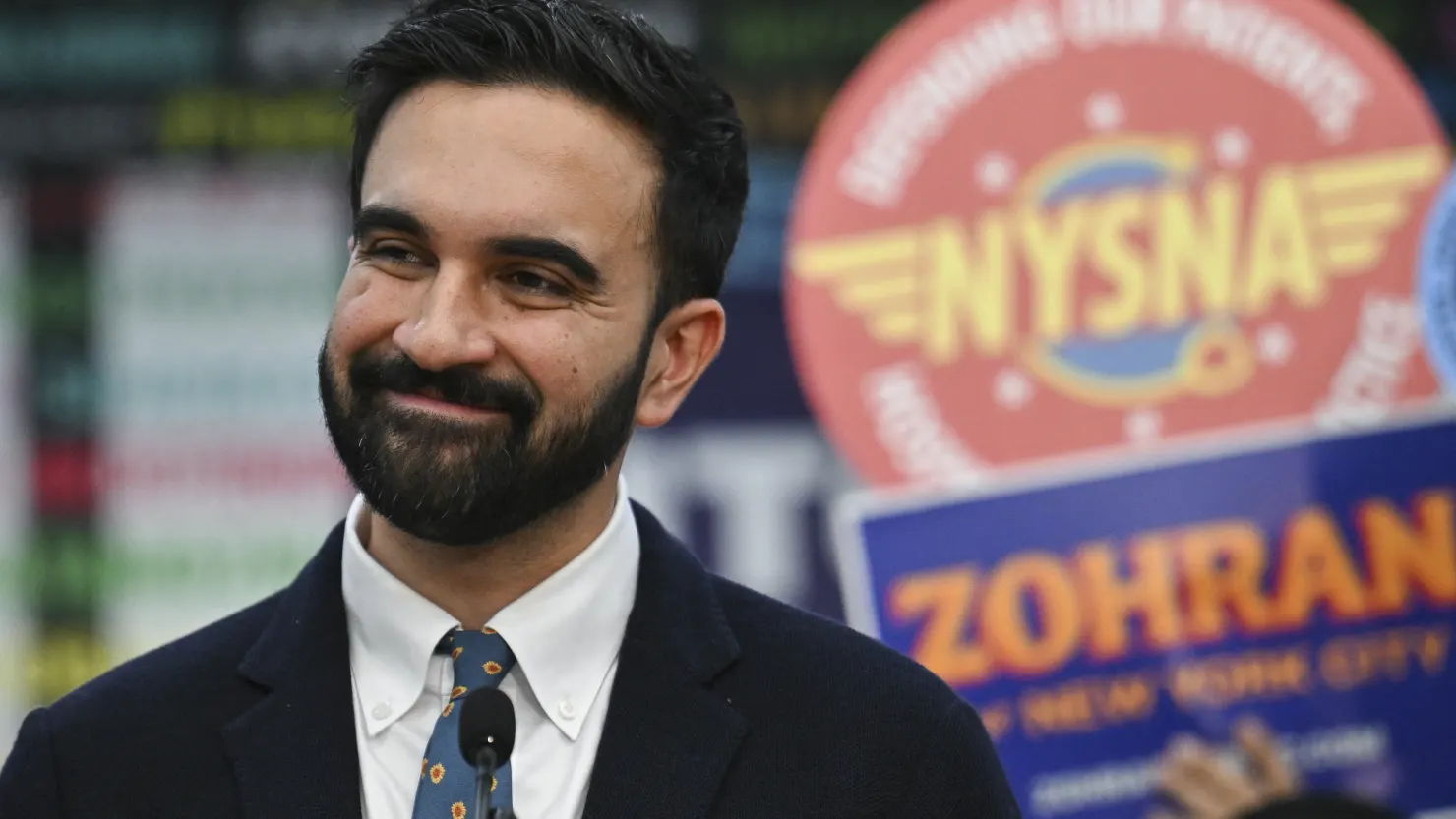
Super PACs aligned with Andrew Cuomo and those mobilizing against Zohran Mamdani in the New York City mayoral race have collectively amassed more than $40 million, according to recent campaign finance disclosures. The latest filings reveal a surge of contributions from prominent billionaires, legacy families and national political donors, underscoring how much is at stake in one of the most closely watched contests in the country.
A significant portion of the money has flowed into Fix the City, an independent expenditure committee backing former governor Andrew Cuomo’s mayoral bid. The group has received substantial checks from New York’s wealthiest figures, including Bill Ackman, Ronald Lauder, William Lauder, Barry Diller and Dan Loeb. The donor list extends well beyond state borders, attracting contributions from casino magnate Steve Wynn and Alice Walton, considered the richest woman in the world.
The influx of big-ticket donations highlights the anxiety among many affluent New Yorkers and conservative national donors about the prospect of a Mamdani victory. Mamdani, a Democratic socialist, has centered his campaign on sweeping reforms such as a citywide rent freeze, fare-free buses, universal childcare and municipally operated grocery stores. His funding plan includes an additional 2 percent tax on residents earning more than $1 million annually.
Despite Mamdani’s steady double-digit advantage in most public polls, the pro-Cuomo fundraising network has intensified its activity as Election Day approaches. Fix the City has emerged as the dominant force among several independent committees operating outside the city’s campaign finance limits. Like super PACs, these groups can raise unlimited amounts of money but are barred from coordinating directly with campaigns.
According to filings, Fix the City has taken in more than $32 million, much of it donated after Mamdani secured the Democratic nomination in June. Two other anti-Mamdani entities, Defend NYC and New Yorkers for a Better Future, have collected $2.5 million and $1.5 million respectively.
Mamdani’s supporters have far fewer resources. His allied PAC, New Yorkers for Lower Costs, has raised just under $2 million. The only major donor identified so far is Elizabeth Simons, daughter of the late hedge fund pioneer James Simons.
A number of the largest contributions to Fix the City were made before the primary. Among them were two donations from Michael Bloomberg totaling $8.3 million. Bloomberg met privately with Mamdani in September to discuss campaign strategy but has not given further funds to Fix the City since his June contributions.
Other billionaires dramatically increased their giving after the primary. Airbnb co-founder Joe Gebbia, who also serves as a Tesla board member and the White House’s chief design officer, made two $1 million donations in October to separate Cuomo-aligned PACs. Gebbia did not respond to requests for comment, and several other high-profile donors either declined to speak publicly or were unavailable.
Members of the Lauder family, heirs to the Estée Lauder empire, have collectively contributed more than $2 million to committees working against Mamdani. Ronald Lauder donated $750,000 to Fix the City in September, while William Lauder, chairman of The Estée Lauder Companies, added $500,000 in late August. Other Lauder relatives have given more than $750,000 combined since the summer.
The influential Tisch family has also emerged as a major source of funding. More than half a dozen members have contributed to Fix the City, including Abigail, Louise, Maude and Laurie Tisch, each of whom gave $100,000 in October. Alice Tisch donated $500,000, and Elizabeth, Jonathan and Merryl Tisch added contributions following the primary.
The family’s involvement carries added symbolism: Jessica Tisch, daughter of Loews Corp. CEO James Tisch, currently serves as New York City’s police commissioner and has earned broad praise for overseeing declining crime rates. Although Mamdani has stated that he would retain Commissioner Tisch if elected, he has also proposed restructuring the city’s policing system and establishing a new department of public safety.
Many donations to the pro-Cuomo committees have come from hedge fund executives. Bill Ackman, who supported Donald Trump’s reelection effort last year, gave $250,000 to Fix the City in October after contributing two separate $250,000 checks earlier in the campaign. Dan Loeb of Third Point donated $100,000 in October, matching another $100,000 he contributed in June.
Some contributors have only loose connections to New York. Longtime Republican donor Steve Wynn listed a Las Vegas address when he sent Fix the City $500,000 in October. Alice Walton used a Bentonville, Arkansas post office box—Walmart’s hometown—when she donated $100,000 in August, on top of another $100,000 contribution she made in April. Her previous involvement in New York politics has been limited, mostly to supporting pro-charter school efforts. Mamdani has stated clearly that he opposes expanding charter schools.
One of the more unusual donors to the anti-Mamdani committees is Barry Diller, chairman of IAC and a well-known Democratic philanthropist. Diller contributed a total of $500,000 to Fix the City through two separate donations, the most recent in October.
Yet the heavy investment from billionaires and political dynasties has raised concerns among some of Cuomo’s own supporters. With public sentiment increasingly skeptical of wealthy political influence, some strategists fear the massive fundraising advantage could become a liability. Mamdani has openly embraced the opposition’s spending, framing it as evidence that he threatens entrenched power.
On the campaign trail, Mamdani has repeatedly highlighted the scale of the anti-Mamdani efforts, telling voters that the flood of money proves his agenda would shift influence away from elites. Speaking with MSNBC this week, Mamdani joked that his opponents were spending more money trying to stop him than he would ever seek to collect from them through taxation.
As the race enters its final stretch, the divide between grassroots enthusiasm and big-money opposition has become one of its defining dynamics. New York City voters will soon decide whether substantial financial intervention from national and local elites can overcome the momentum of a candidate running on an unapologetically populist platform.