Andrew Ross Sorkin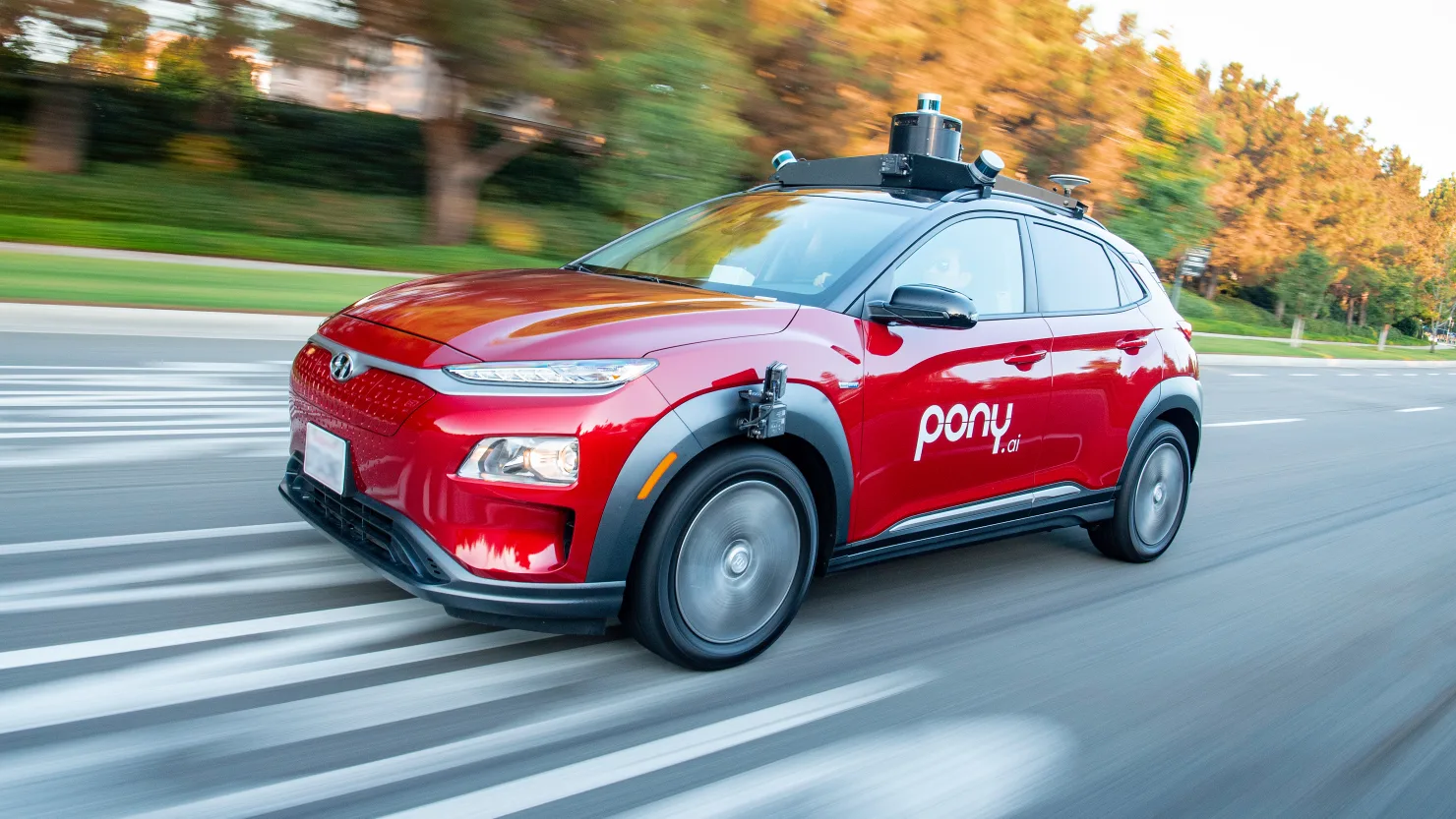
China’s autonomous driving sector experienced a dramatic market moment this week, as two of its most prominent robotaxi pioneers — Pony.ai and WeRide — entered public trading in Hong Kong. The debut, however, came with turbulence: Pony.ai’s shares slid more than 12%, while WeRide declined nearly 8% on Thursday. The drops underscore both investor caution and the competitive pressure these companies face as they scale globally in an increasingly complex regulatory and geopolitical environment.
Despite the initial slide, the dual listings mark a milestone for China’s fast-advancing self-driving ecosystem. Pony.ai and WeRide, which were already traded in the United States prior to their Hong Kong listings, collectively raised nearly HK$9.1 billion — roughly $1.16 billion. Pony.ai secured HK$6.71 billion, while WeRide brought in HK$2.39 billion. The fresh capital is expected to fuel their pursuit of more advanced autonomous capabilities and expansion into overseas markets.
Both companies, headquartered in Guangzhou, China, have been racing to compete against major global players such as Baidu’s Apollo Go in China and Alphabet’s Waymo in the United States. Demand for next-generation mobility solutions continues to accelerate as cities and national governments explore autonomous transportation as part of long-term smart urban planning strategies.
Leadership from both companies emphasized their commitment to scaling Level 4 autonomous driving — a high-automation classification where the vehicle operates without human intervention within predefined environments. Pony.ai and WeRide are among a limited group of global firms that have demonstrated fully driverless services in select cities across China, granting them a significant position in the global self-driving race.
WeRide’s CEO, Tony Xu Han, shared that a portion of the newly raised funds will be dedicated to strengthening AI development and expanding the company’s computing and data infrastructure. These upgrades are essential in an industry where massive data processing and real-world driving simulations drive both safety improvements and competitive edge.
The timing of the Hong Kong listings signals a broader strategy: diversifying financing sources while positioning themselves closer to Asian capital markets and international expansion pathways. Pony.ai and WeRide are eyeing opportunities beyond China, including the Middle East, Europe, and Southeast Asia. Singapore, in particular, has emerged as a desirable hub for autonomous vehicle testing due to its supportive regulatory frameworks and tech-forward national agenda. While neither company has secured full regulatory approval in most of these markets, pilot projects and partnerships are already underway.
A significant element of the expansion roadmap is aimed at the United States. Both companies are reportedly exploring potential partnerships with California-based Uber, which could eventually allow their robotaxis to operate through the company’s ride-hailing platform after regulatory clearance. Such a collaboration would markedly boost their international footprint and offer valuable proof-of-concept in one of the world’s most competitive mobility markets.
Yet, their U.S. ambitions face real hurdles. Washington has tightened restrictions on Chinese technology in connected vehicles, including autonomous systems, citing national security concerns. Earlier this year, U.S. regulators introduced a rule effectively preventing the operation of self-driving vehicles relying on Chinese-origin hardware and software. This policy shift casts uncertainty over long-term Chinese participation in American autonomous mobility infrastructure.
Industry analysts say these cross-border challenges highlight the rationale behind the dual listings. Tu Le, founder and managing director at Sino Auto Insights, described the move as a form of risk management. With rising geopolitical scrutiny, diversifying access to capital markets can help shield future operations and financing strategies from regulatory shocks. Le noted that the listings reflect the significant capital required to build competitive self-driving fleets and infrastructure, along with the companies’ recognition that future growth may be strongest in regions outside the United States.
On U.S. exchanges Wednesday, both companies also experienced declines — Pony.ai dipped approximately 2%, while WeRide fell 5.3%. Their listings in Hong Kong reinforce a shifting trend: more Chinese technology companies are pursuing dual-listing strategies amid ongoing geopolitical and regulatory uncertainty in Western markets.
The Hong Kong Stock Exchange has recently enjoyed renewed momentum, particularly in technology listings. Chinese companies increasingly view Hong Kong as a strategic financial hub for Asia-focused tech growth. In mid-October, regulators approved the dual listings for Pony.ai and WeRide. Analysts say listing clusters help reinforce the city’s image as a key gateway for innovation financing in Asia. Earlier this year, CATL — China’s electric vehicle battery powerhouse — raised more than $5 billion in a secondary Hong Kong listing, marking the world’s largest IPO in 2025 so far.
Rolf Bulk, an equity research analyst at New Street Research, says Hong Kong listings will give Pony.ai and WeRide easier access to Asia-based investors, support their China growth trajectory, and spur their expansion across the region. However, he emphasized that the listings themselves do not resolve regulatory barriers in Western markets. If anything, he suggested that obtaining approvals in those regions might become more complex now that both companies are more closely tied to Chinese capital markets.
The pressure to maintain competitiveness is significant. Robotaxi fleets remain capital-intensive, and Alphabet’s Waymo and Baidu’s Apollo Go currently operate larger driverless networks across the U.S. and China. For Pony.ai and WeRide, scaling fleets and accelerating technology improvements are critical to keeping pace with global leaders.
Still, industry observers maintain confidence in both firms’ technical capabilities and market positioning. According to Sino Auto Insights’ Le, Pony.ai and WeRide remain among the most advanced autonomous driving companies globally. He noted that WeRide has diversified its offerings beyond robotaxis, including autonomous buses and logistics vehicles, giving it additional commercial pathways. Meanwhile, both companies see partnerships in the Middle East and with Uber as vital steps toward gaining international traction.
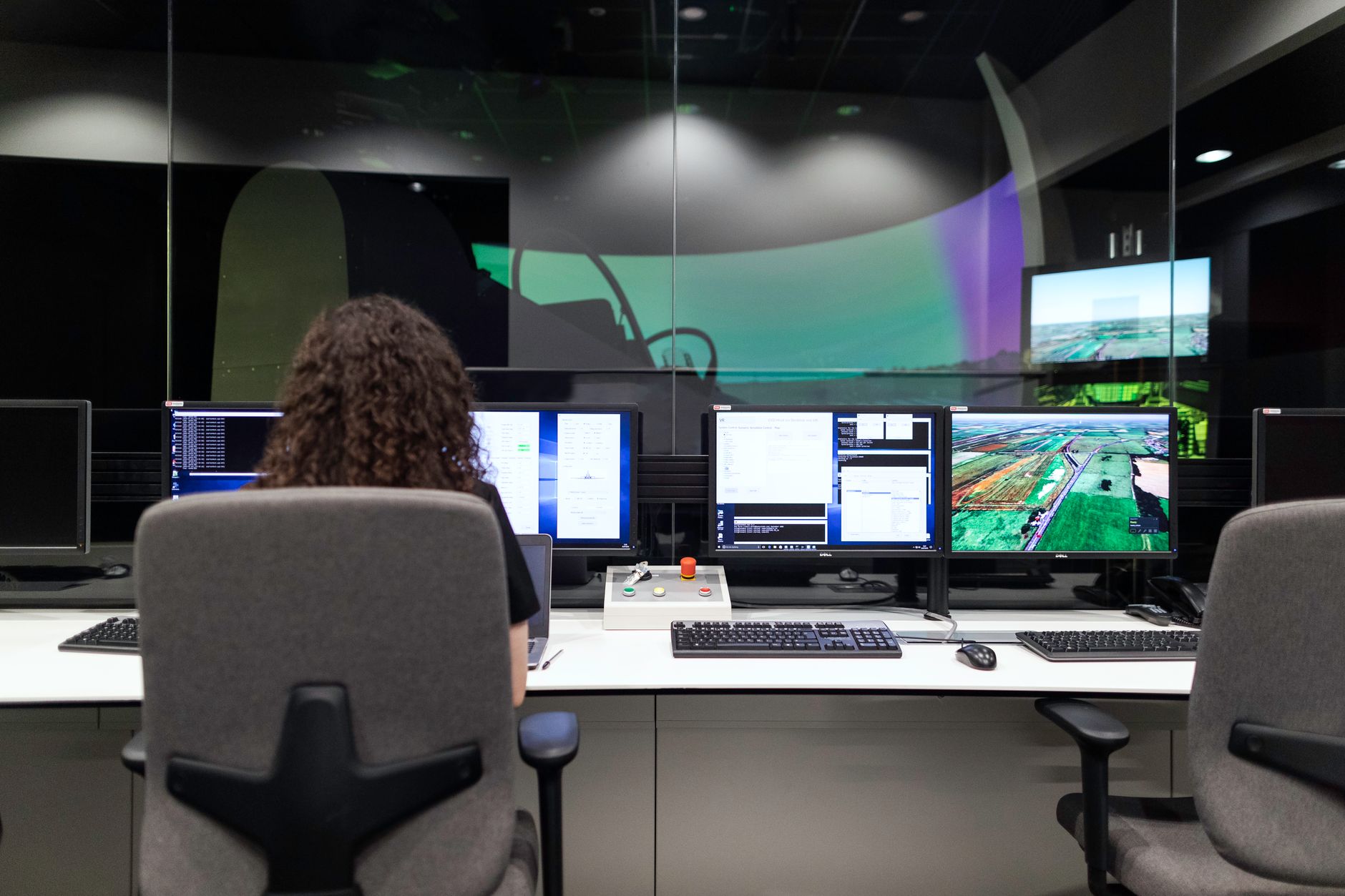
Looking ahead, analysts say investors should monitor how rapidly both companies integrate emerging AI tools into their autonomy stacks. With artificial intelligence advancing at a rapid pace, breakthroughs in perception algorithms, decision-making models, and large-scale simulation systems could determine how quickly their technology matures.
The dual listings reflect a pivotal moment not only for Pony.ai and WeRide, but also for the future of China’s autonomous mobility sector. While geopolitical friction continues to shape global technology competition, the companies’ growing footprint in Asia, combined with strong capital backing, positions them to continue pushing the boundaries of self-driving innovation. As autonomous vehicles transition from experimental pilots to larger public deployments, the race to commercial scale — and regulatory acceptance — will intensify. For now, Pony.ai and WeRide have secured fresh momentum in their pursuit of autonomous mobility leadership, even as market volatility and global complexities challenge the road ahead.