Andrew Ross Sorkin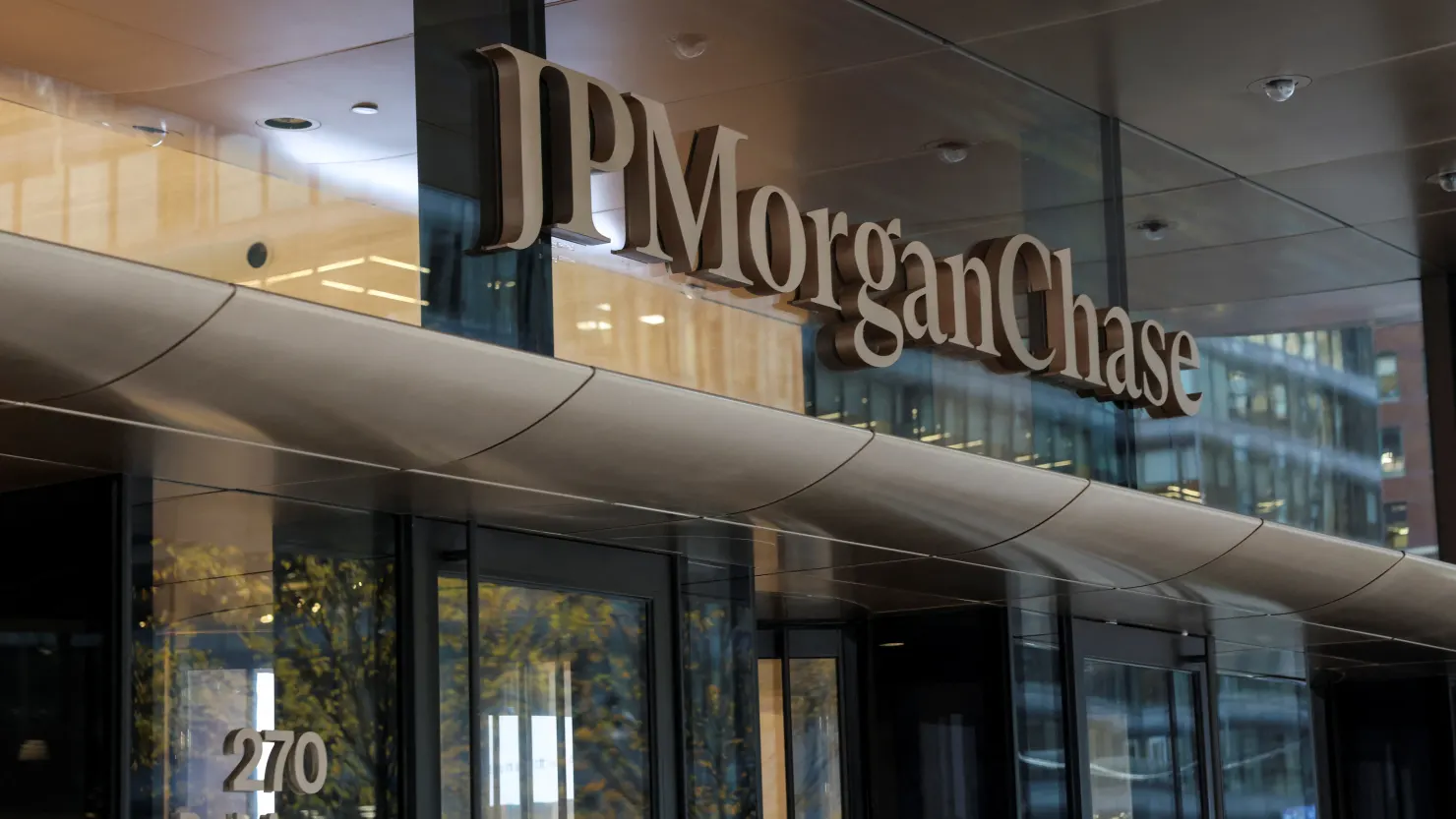
JPMorgan Chase has reached a series of agreements that will ensure the bank is compensated by the fintech firms responsible for the vast majority of data requests made through third-party financial apps. According to the company, contracts have now been updated with data-aggregation platforms that account for more than 95 percent of all information pulls from its systems, including Plaid, Yodlee, Morningstar, and Akoya.
Drew Pusateri, a spokesperson for JPMorgan, said the new arrangements help stabilize an ecosystem that has been marked by years of disagreement. He noted that the agreements aim to strengthen security, improve reliability, and maintain customer access to the apps they rely on. In his words, “The free market worked.”
These deals represent the latest chapter in a long-standing conflict between established banks and the fintech companies that rely on bank data to power consumer-facing applications. For years, intermediaries such as Plaid were able to retrieve information from banks at no cost whenever users wanted to transfer money, view account balances, or link accounts to services like Robinhood.
That model appeared protected after the Consumer Financial Protection Bureau finalized its 2024 open-banking rule, which required banks to share consumer data with other financial institutions free of charge. However, the banking industry filed lawsuits aiming to block the rule from taking effect, and momentum shifted in May when the Trump administration asked a federal court to overturn it.
Following that development, JPMorgan reportedly notified data-aggregation firms that it planned to impose substantial fees — costs that could reach into the hundreds of millions of dollars — for access to customer information. The announcement prompted strong pushback from fintech platforms, crypto companies, and venture capital leaders, who argued that the move amounted to anti-competitive behavior that would slow innovation and limit consumer choice.
Weeks of negotiations followed. People familiar with the discussions said JPMorgan ultimately agreed to reduce its originally proposed pricing, while the aggregators secured certain concessions related to how data requests would be processed and supported. Fintech firms were also motivated to lock in predictable pricing because it remains unclear how a revised CFPB rule might treat data-sharing obligations in the future.
Specific terms — including contract duration and the fees the platforms will now pay — have not been publicly disclosed by either side.
The broader implications of these agreements could be significant. Industry analysts say this is a notable shift in leverage among banks, data intermediaries, and the fintech apps competing with traditional financial institutions. Because JPMorgan often sets the tone for the sector, observers expect other major banks to adopt similar fee structures.
Brian Shearer, director of competition and regulatory policy at the Vanderbilt Policy Accelerator and a former CFPB official, warned that the emerging trend could create new obstacles for startups. If the cost of accessing bank data increases, early-stage companies may struggle to enter the market, leaving consumers with fewer choices and potentially higher prices.
Supporters of the CFPB’s earlier rule have argued that free access to customer-authorized data empowers consumers and drives innovation. Banks, meanwhile, maintain that unrestricted access exposes them to fraud risks and saddles them with escalating infrastructure expenses tied to the rising volume of data requests.
When the JPMorgan-Plaid agreement was announced in September, both companies issued public statements emphasizing that customers would experience uninterrupted service. Still, the broader fintech industry remains sharply critical. The Financial Technology Association, of which Plaid is a member, called the new fees harmful to competition and inconsistent with the intent of existing regulations.
Penny Lee, the association’s CEO, said the bank’s approach “introduces prohibitive tolls” and reflects a strategy of capitalizing on regulatory uncertainty. She urged the Trump administration to preserve the original prohibition on data-access charges and maintain the protections outlined in the prior CFPB rule.
Although JPMorgan has gained a notable advantage through these contracts, the larger dispute over open banking in the United States is far from resolved. The debate is now likely to intensify in both the courts and the public sphere as policymakers weigh how to balance innovation, security, and consumer rights in the rapidly evolving financial data ecosystem.