Andrew Ross Sorkin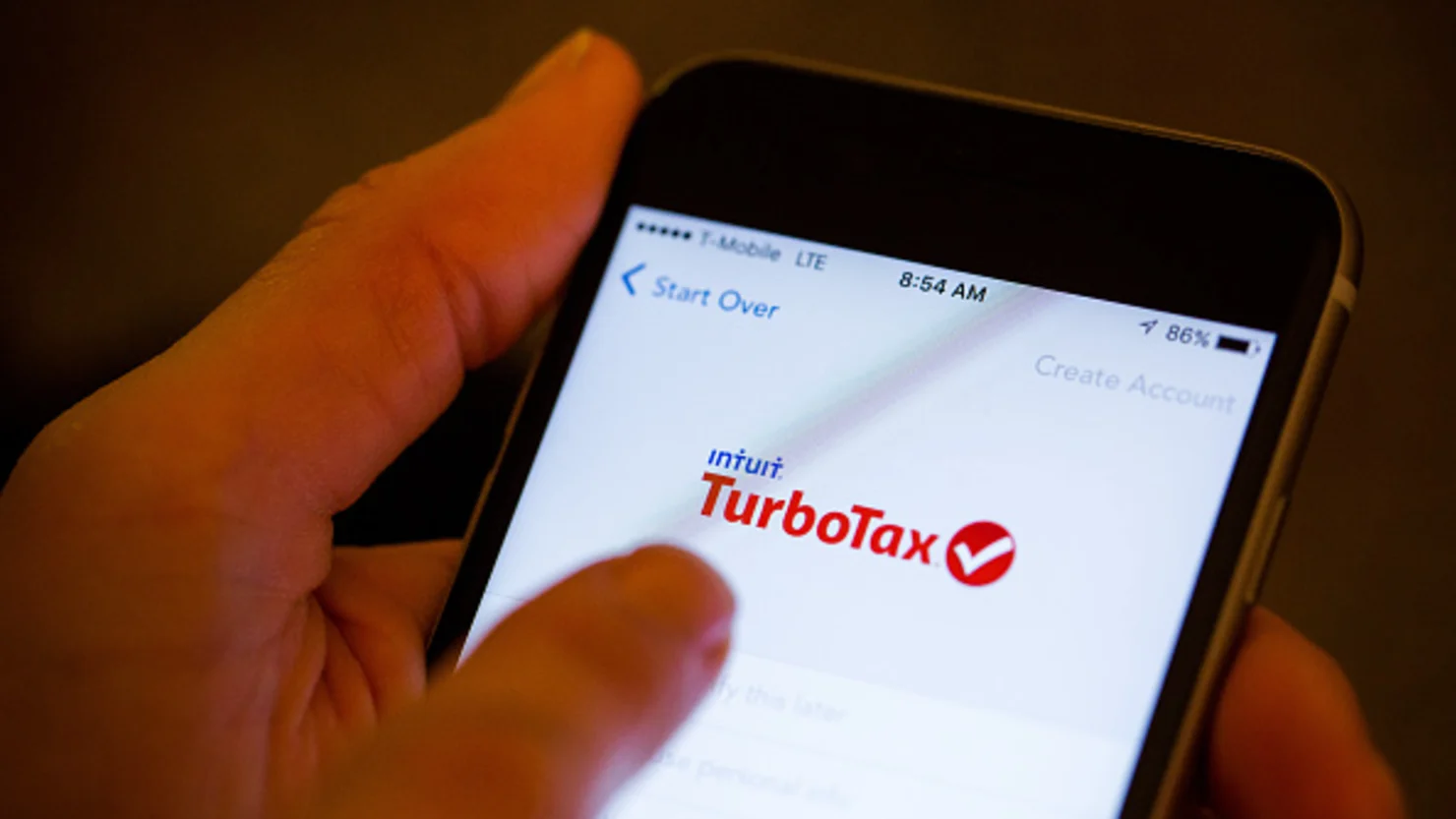
Intuit, the company behind widely used financial tools such as TurboTax and QuickBooks, has entered into a multiyear agreement to pay OpenAI more than $100 million in exchange for access to its advanced large language models. The partnership marks a major step in Intuit’s effort to deepen the role of generative AI in its financial products.
Following the announcement, Intuit’s stock rose about 3% on Tuesday, reflecting investor confidence in the company’s AI-driven expansion strategy.
Under this agreement, OpenAI’s models will be embedded into Intuit’s internal AI platform, GenOS, enabling the development of more sophisticated AI agents across its entire product ecosystem. These upgrades will affect TurboTax, QuickBooks, Credit Karma, and Mailchimp, allowing each service to operate with more adaptive and context-aware capabilities.
In addition to backend integration, the two companies are working together to bring ChatGPT directly into Intuit’s consumer-facing services. For example, TurboTax users will be able to connect their Intuit accounts to ChatGPT and carry out tax or financial tasks in a secure environment. Through this setup, ChatGPT can guide individuals through activities related to their tax filings or financial decisions without accessing original documents. All interactions take place within ChatGPT’s interface, while the sensitive data remains protected inside Intuit’s system.
The partnership will also allow customers to authorize Intuit to retrieve the necessary financial information and deliver personalized outcomes. These could include estimating tax refunds, identifying suitable credit cards, or generating real-time insights for small businesses using QuickBooks. By combining Intuit’s data ecosystem with OpenAI’s language models, the companies are aiming to streamline and automate tasks that traditionally required manual financial analysis.
For OpenAI, the agreement provides a substantial new revenue source and expands its influence in the financial technology sector. It also strengthens the company’s broader vision of transforming ChatGPT into a universal platform serving a wide range of industries. This push for diversification is especially important as OpenAI works to justify its valuation of around $500 billion and its more than $1.4 trillion in long-term spending commitments.
The collaboration with Intuit follows similar partnerships OpenAI has formed with companies such as PayPal, Shopify, and Walmart. These organizations have begun embedding payments, shopping tools, and transaction features directly into ChatGPT, signaling a broader trend toward integrating generative AI with everyday digital commerce.
Given the sensitivity of financial data, both companies emphasize that privacy protections remain a top priority. Even when customers use ChatGPT to complete tasks, their personal information will not leave Intuit’s secure environment. This structure is designed to ensure that convenience and automation do not compromise user trust.
As generative AI continues to infiltrate financial services, the Intuit–OpenAI partnership represents a significant move toward creating more intelligent, personalized, and secure digital finance experiences for consumers and businesses alike.