Andrew Ross Sorkin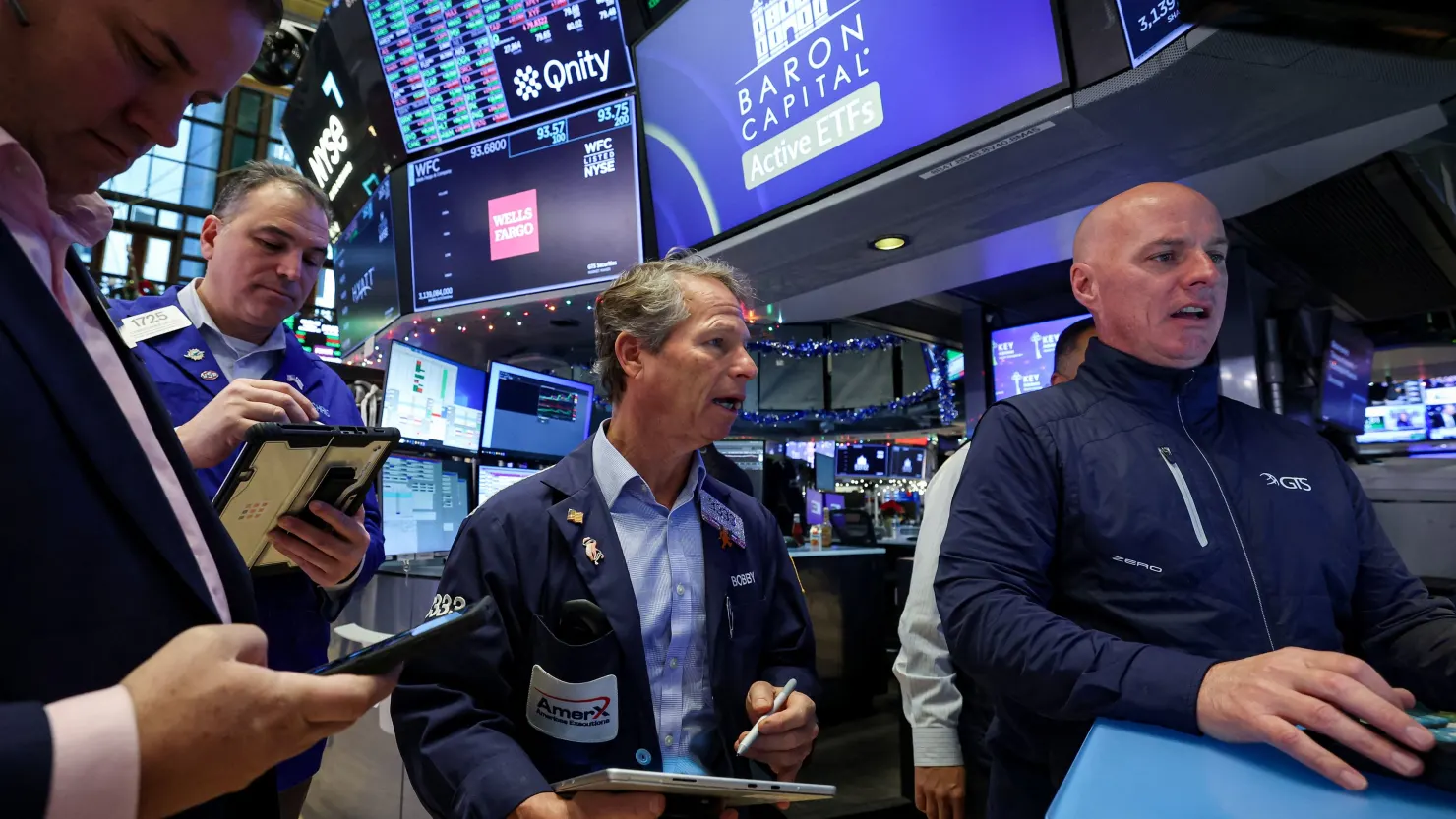
U.S. equity markets have shown increased volatility in recent sessions as investors scale back their exposure to artificial intelligence stocks, particularly companies tied to AI infrastructure. Firms such as Oracle, Broadcom, and CoreWeave have come under pressure as concerns grow over the rising debt required to support massive expansion plans.
The core issue troubling investors is the financial strain associated with funding multibillion-dollar data center projects. These companies are racing to meet surging demand for computing power, but doing so often requires heavy borrowing and long-term lease commitments.
Oracle recently disclosed that it will need to boost capital expenditures by an additional $15 billion in the current fiscal year, along with expanding its data center leasing obligations. To support this aggressive investment strategy, the company is relying largely on debt financing, a move that has unsettled parts of the market.
As a result, Oracle’s shares declined 2.7% on Monday. CoreWeave, another major player in the AI data center space, saw its stock fall by roughly 8% during the same session. Broadcom also retreated, sliding about 5.6%, as investors voiced worries about margin pressure stemming from higher costs and capital intensity.
Despite these pullbacks, the broader U.S. market has remained relatively resilient. Investors have been rotating capital into other areas, including consumer discretionary and industrial stocks, helping to limit overall losses. The S&P 500 slipped 0.16%, while the Dow Jones Industrial Average edged down just 0.09%. The Nasdaq Composite, which has a heavier concentration of technology companies, fell 0.59%.
This divergence suggests that investor anxiety is largely concentrated within the AI infrastructure segment rather than spilling over into the entire market. Many market participants continue to view AI as a long-term growth story, even as they scrutinize the near-term financial risks associated with rapid expansion.
According to Matt Witheiler, head of late-stage growth at Wellington Management, the sustainability of AI investment ultimately hinges on whether returns justify the scale of spending. He noted that, so far, the returns appear to be materializing, supporting continued funding. In his view, demand remains robust because AI companies believe additional computing capacity directly translates into higher revenue potential.
Witheiler added that nearly every AI-focused firm is signaling the same message: more computing power enables more growth. This dynamic suggests that infrastructure providers like Oracle and CoreWeave face strong demand, provided they can manage their balance sheets responsibly and avoid overextending themselves financially.
While AI stocks dominated recent market discussions, several other developments shaped investor sentiment.
U.S. equities broadly edged lower on Monday, with all major indexes finishing slightly in the red as weakness in AI-related shares weighed on performance. Overseas, European markets showed more strength, with the Stoxx 600 gaining 0.74%. However, defense stocks across the region declined after Ukraine indicated a willingness to abandon its bid to join NATO.
In the automotive and technology space, Tesla drew attention after confirming it has begun testing fully driverless Robotaxis in Austin, Texas. CEO Elon Musk stated that the tests are being conducted without anyone inside the vehicle. Tesla shares climbed 3.6% on Monday, closing at their highest level of the year as investors reacted positively to the update.
On the policy front, U.S. Customs and Border Protection reported that the country has collected approximately $200 billion in tariffs. The total reflects only newly imposed duties, including reciprocal tariffs and levies tied to fentanyl enforcement, implemented during President Trump’s second term.
Geopolitical developments also remained in focus. U.S. officials indicated that a potential peace agreement between Ukraine and Russia is nearing completion following talks with Ukrainian President Volodymyr Zelenskyy. According to officials, Ukraine has offered to withdraw its NATO membership bid, while Russia has signaled openness to Ukraine pursuing membership in the European Union.
Looking further ahead, Wall Street strategists have begun highlighting stocks they believe are positioned for strong performance in 2026. A group of S&P 500 companies currently carries consensus buy ratings and is projected to offer significant upside relative to average price targets, reflecting optimism about medium-term growth prospects.
Meanwhile, consumer behavior is showing signs of strain as the holiday season approaches. A recent CNBC survey found that rising prices are prompting many Americans to cut back on holiday spending. Inflation, combined with higher costs for imported goods driven by tariffs, is increasingly influencing where and how much consumers are willing to spend.
The survey suggests that while overall economic activity remains steady, price pressures continue to erode purchasing power. For many households, the cumulative impact of several years of inflation is becoming more visible at the checkout counter, shaping shopping decisions during what is typically the busiest retail period of the year.
Together, these developments highlight a market environment marked by selective caution rather than broad-based fear. While certain sectors, particularly AI infrastructure, face heightened scrutiny, investor confidence in other areas remains intact, underscoring the complex and evolving nature of today’s global markets.