Andrew Ross Sorkin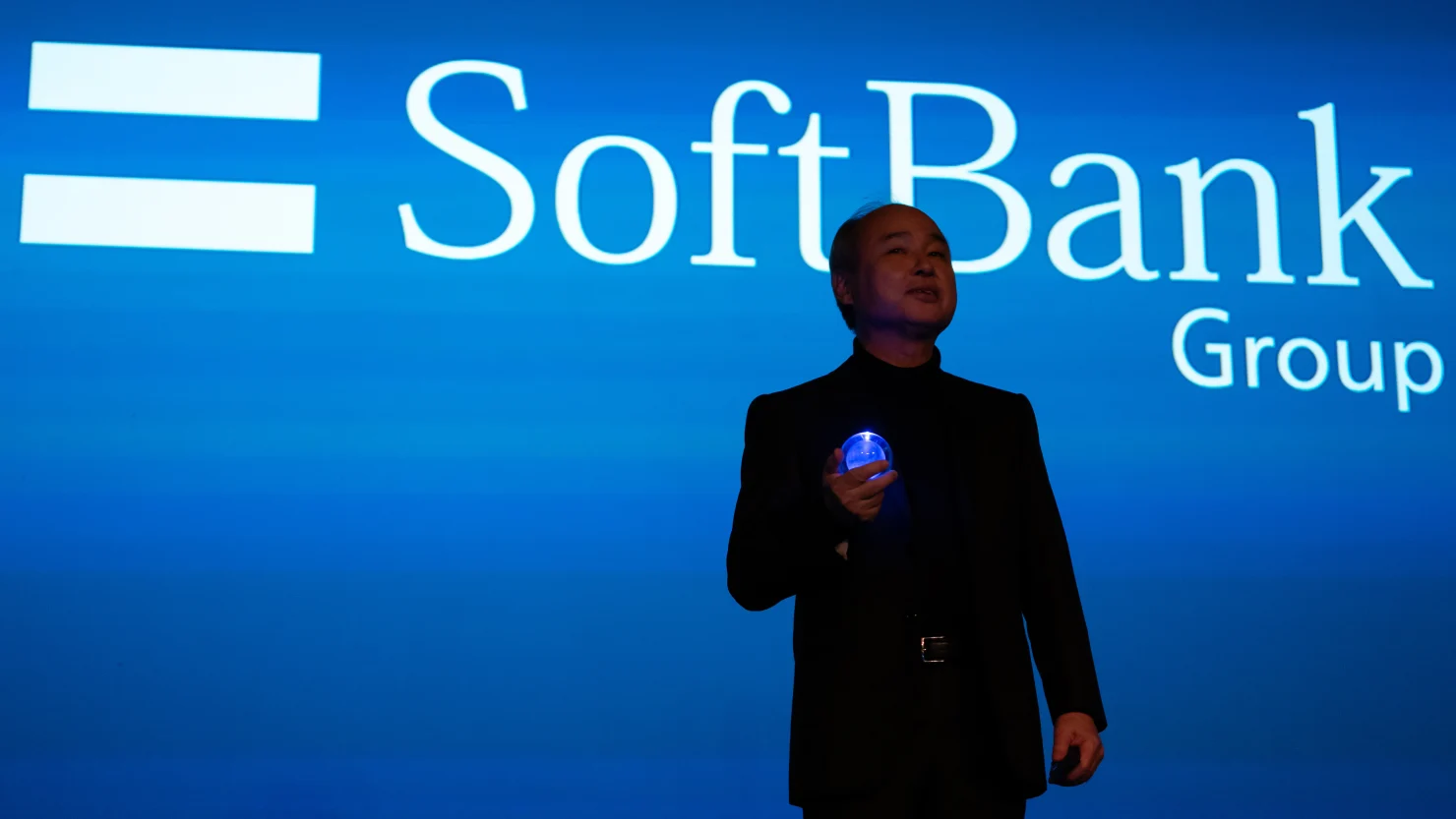
Japanese technology shares slid on Thursday, reflecting growing anxiety over artificial intelligence infrastructure investment that originated on Wall Street and quickly spread to Asian markets. Stocks tied closely to AI development were among the hardest hit, as investors reassessed expectations for continued large-scale spending.
SoftBank Group Corp. stood out as one of the biggest decliners on the Nikkei 225 index, with its share price at one point plunging more than 7%. The benchmark index itself led losses across the region, falling 1.23%. Although SoftBank recovered part of its intraday drop, it was still trading about 3% lower by the end of the session.
The downturn followed a weak overnight performance in the United States, where the tech-heavy Nasdaq Composite dropped 1.81%. Major AI-linked names, including Oracle, Broadcom, and Nvidia, were among the primary contributors to the sell-off, reinforcing global concerns about the pace and sustainability of AI-related investment.
Oracle shares declined after a report revealed that Blue Owl Capital’s effort to finance a $10 billion data center project in Michigan had run into difficulties. This news came shortly after Oracle dismissed claims that it had postponed some of its AI projects with OpenAI until 2028, attempting to calm speculation about delays in infrastructure development.
SoftBank, which has positioned itself as a major player in the global AI ecosystem, has experienced sharp swings in its share price over the past month. Market sentiment has become increasingly sensitive to any indication that spending on AI infrastructure could slow, amplifying volatility in companies heavily exposed to the sector.
Earlier this year, SoftBank announced ambitious plans to invest $500 billion in AI infrastructure across the United States, in partnership with OpenAI, Oracle, and other collaborators. In September, the group further reinforced its commitment by unveiling five new U.S.-based AI data center locations under the Stargate initiative, which serves as OpenAI’s overarching infrastructure platform.
The sell-off was not limited to SoftBank. Other Japanese technology firms also came under pressure. Semiconductor testing equipment maker Advantest saw its shares drop as much as 5%, while Lasertec, Renesas Electronics, and Tokyo Electron recorded losses ranging from roughly 3% to 4%.
Jesper Koll, an expert director at Tokyo-based financial services firm Monex Group, noted that many of the critical components used in data centers, power systems, and AI hardware are produced exclusively in Japan. Because of this concentration, Japanese technology companies—particularly those linked to AI—are especially sensitive to shifts in U.S. technology investment sentiment.
Recent trade data underscores Japan’s exposure to global tech demand. Figures released on Wednesday showed that exports of electrical machinery rose 7.4% year over year, while semiconductor-related exports jumped 13%. According to Koll, the surge reflects how the U.S.-driven expansion in technology spending has been translating into higher overseas demand for Japan’s specialized machinery and equipment.
Elsewhere in Asia, losses were more muted. South Korea’s Samsung Electronics fell less than 1%, while SK Hynix managed to reverse earlier declines and ended the session slightly higher. Taiwan Semiconductor Manufacturing Company, the world’s largest contract chipmaker, finished marginally lower, suggesting a more cautious but less severe reaction compared with Japanese peers.