Andrew Ross Sorkin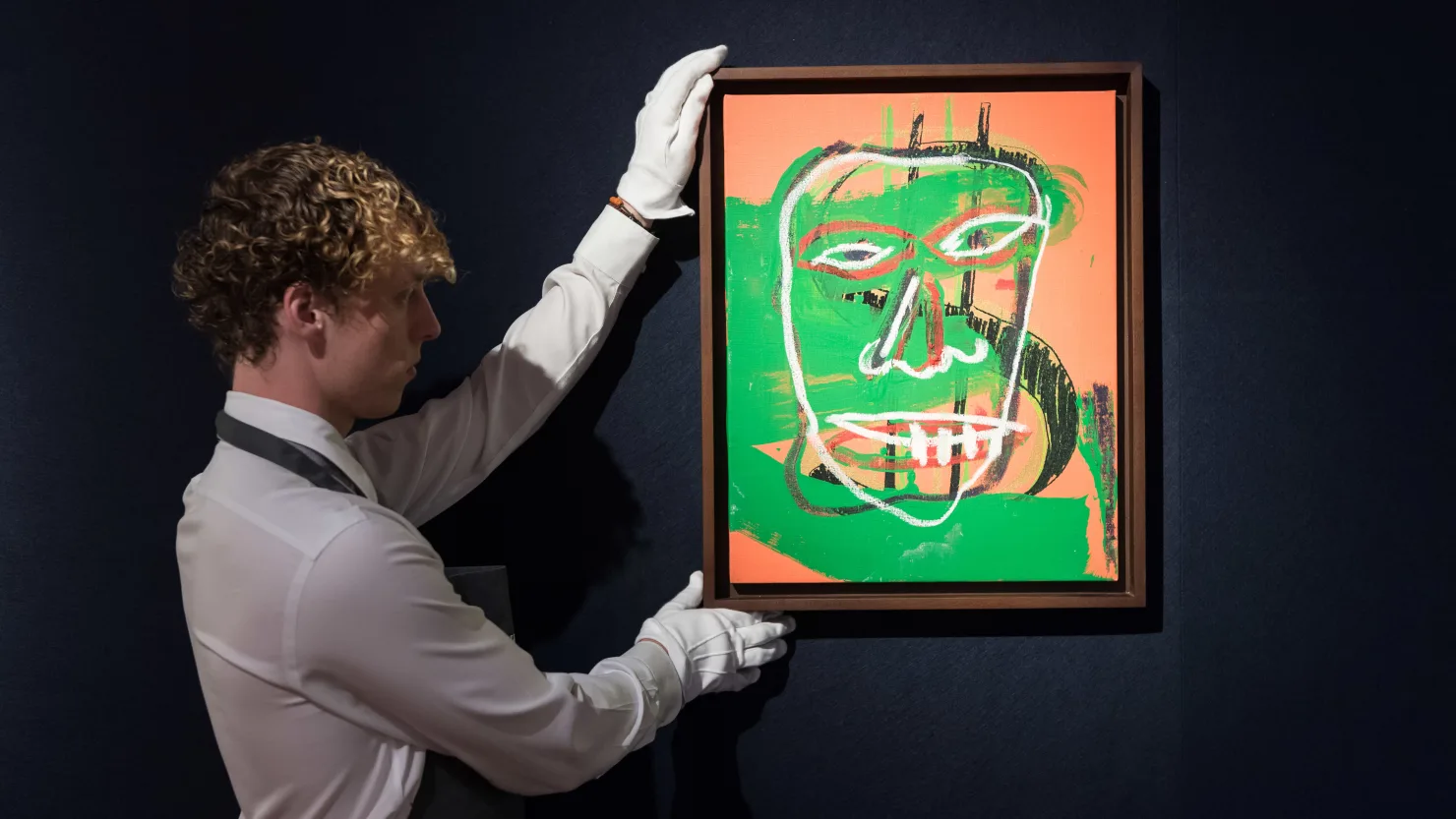
The global art market is heading toward its second consecutive year of contraction, driven by weaker demand for ultra-expensive masterpieces and a clear shift in buying preferences among younger collectors, according to a recent industry survey.
Data from the Art Basel and UBS Survey of Global Collecting shows that auction sales at Christie’s, Sotheby’s, Phillips, and Bonhams declined sharply in the first half of the year. Sales were down 26 percent compared with 2023 and 36 percent from the market’s peak in 2021. At the same time, interest in buying art among wealthy collectors is cooling. Only 43 percent of respondents said they plan to purchase art in the coming year, down from more than half last year. Meanwhile, 55 percent said they expect to sell, indicating that potential sellers now outnumber buyers.
According to Paul Donovan, Chief Economist at UBS Global Wealth Management, the biggest spenders are becoming more cautious. Instead of aggressive buying, high-end collectors are slowing their pace and making more deliberate decisions about acquisitions.
With major events such as the New York fall auctions in November and Art Basel Miami Beach in December approaching, galleries and auction houses are hoping that political clarity after elections may help restore confidence and stimulate demand.
Despite the overall slowdown, sentiment among collectors is not entirely negative. The survey found that 91 percent of wealthy collectors feel optimistic about the art market’s performance over the next six months, a notable increase from 77 percent at the end of 2023. This level of optimism even exceeds expectations for the stock market, where 88 percent expressed positive sentiment. Only a small minority, about 3 percent, reported pessimism about the art market’s near-term outlook.
Spending habits among affluent collectors have remained relatively stable. Median annual art spending continues to hover around $50,000, and more than three-quarters of surveyed collectors bought at least one painting in both 2023 and the first half of 2024.
However, multiple indicators suggest that sales are likely to remain flat or decline further. Dealers point to ongoing geopolitical tensions, particularly in the Middle East and Ukraine, as well as economic weakness in Europe and China, as key factors undermining buyer confidence. Rising interest rates have also played a role, as wealthy individuals can now earn attractive returns from cash holdings or government bonds, reducing the appeal of illiquid assets like art.
The art market, much like the classic car market, is experiencing a generational transition that has created a mismatch between supply and demand. Older collectors are increasingly selling off high-priced works that are valuable but not considered iconic masterpieces. In contrast, younger buyers, especially those from Generation X and the millennial cohort, are entering the market with different preferences. They tend to favor contemporary, more affordable works sourced from galleries and art fairs rather than seven- or eight-figure auction pieces.
The UBS report notes that increased selling activity in 2024 is unlikely to fuel a value-driven boom. Instead, it is expected to impact transaction volumes, as collectors trim their holdings by letting go of lower-value or less significant pieces. Advisors are reportedly focused on simplifying collections, helping clients dispose of works that no longer align with their goals rather than chasing price appreciation.
This generational divergence has contributed to an oversupply of expensive Impressionist and Abstract works. Before 2022, artworks priced above $10 million represented the strongest segment of the market. Today, that same segment is among the weakest.
Donovan explained that while younger generations are actively engaged with art, they are less inclined to pursue the most expensive pieces. Budget constraints and shifting tastes mean that traditional buyers of top-tier works are slowing their purchases, leaving a gap at the high end.
Generation X has emerged as the most influential group in the collectibles market. Survey results show that Gen X collectors had the highest average spending in 2023, at approximately $578,000. That trend has continued into 2024, with their spending exceeding that of millennials by more than one-third and surpassing boomers and Gen Z collectors by more than double.
Overall exposure to art within wealthy individuals’ portfolios is declining. While the role of art as an investment remains debated, the survey found that art accounted for an average of 15 percent of collectors’ portfolios in 2024, down from 22 percent in 2021. Although rising stock and asset values may partially explain the shift, the decline also suggests that many collectors are pausing new purchases.
The ultra-wealthy still hold the largest proportion of their wealth in art. Individuals with net worths above $50 million allocate roughly 25 percent of their assets to art, down slightly from 29 percent last year. In contrast, collectors worth under $5 million hold closer to 12 percent in art.
Longtime collectors face another challenge: what to do with large, established collections built over decades. On average, wealthy collectors worldwide own 44 works of art. Gen Z collectors average around 33 pieces, while those with more than 20 years of collecting experience hold an average of 110 works. These collections will eventually need to be sold, inherited, or donated to museums and nonprofit institutions.
When asked about their primary concerns, more than half of respondents cited restrictions on the international movement of art as their biggest worry. Legal risks, including restitution claims, forgery, and authenticity disputes, ranked second. Ethical issues related to artist compensation and representation were also highlighted, while general market volatility ranked lower on the list.
The massive intergenerational transfer of wealth expected in the coming decades may also trigger a significant transfer of art. According to the survey, 91 percent of wealthy collectors own works that were inherited or received as gifts through wills or estates.
Contrary to the assumption that heirs will immediately sell inherited artworks, most families choose to keep at least part of what they receive. About 72 percent of respondents retained some inherited pieces. Those who sold typically did so due to practical concerns such as limited space or tax obligations, rather than a lack of appreciation for the art itself.
As Donovan noted, it is often assumed that younger generations will abandon their parents’ collections because of different tastes. In reality, art carries emotional weight and personal memories, and many inherited works remain meaningful connections to family history rather than mere financial assets.