Andrew Ross Sorkin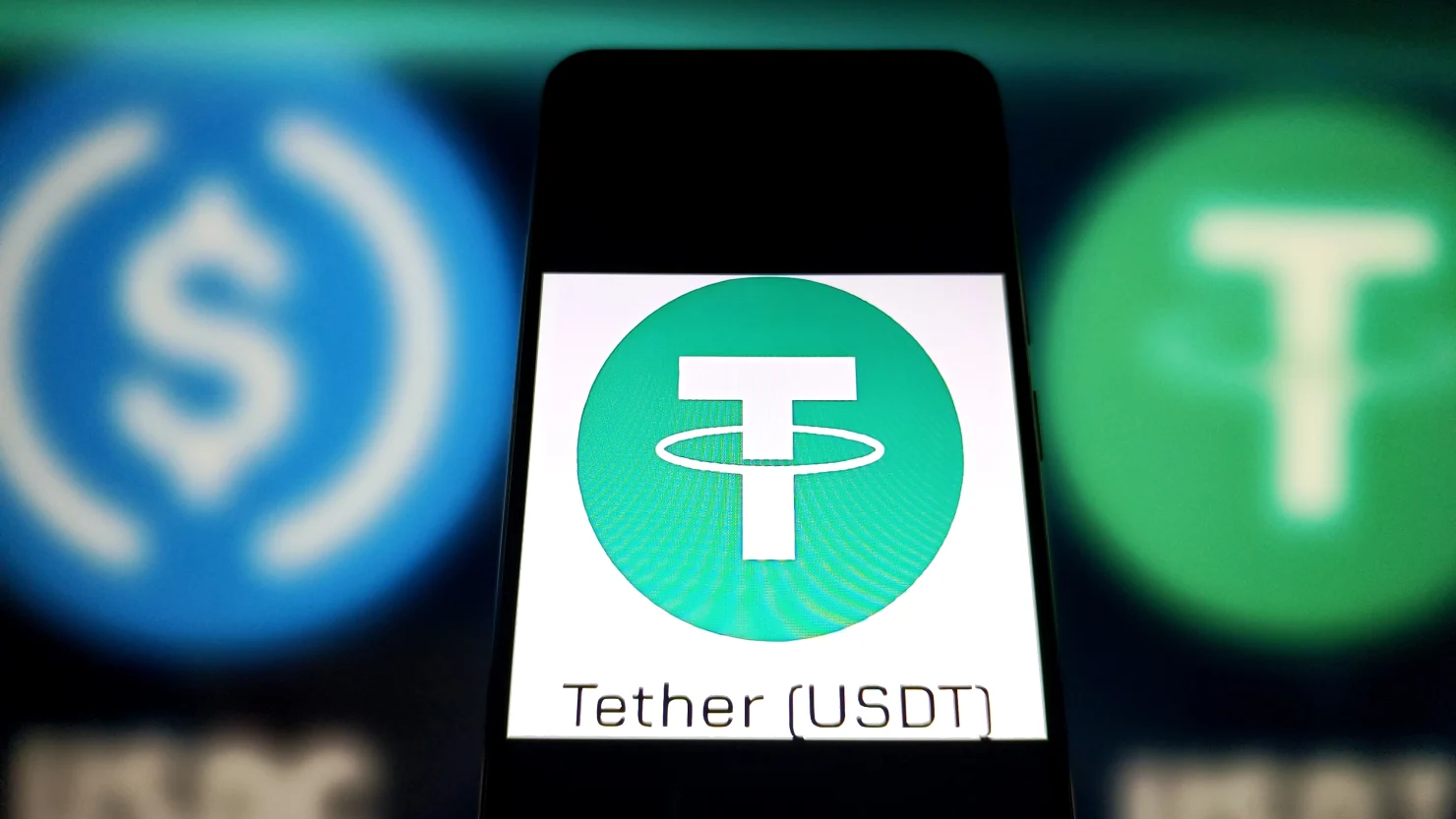
As reports of U.S. military involvement in Venezuela spread, many local residents reacted swiftly by trying to protect their savings. Large numbers of people rushed to exchange their rapidly devaluing bolívares for USDT, a digital token designed to track the value of the U.S. dollar. While the timing of the military action surprised some observers, Venezuelans’ turn toward stablecoins was far more predictable.
Across regions such as the Middle East and Latin America, everyday citizens are increasingly relying on USDT as a financial lifeline. For many, it offers a way to safeguard personal wealth from strict government controls and the devastating effects of hyperinflation. With U.S. President Donald Trump publicly warning about possible interventions in places like Colombia and Iran, this strategy of financial self-defense may become even more widespread.
“Stablecoins function like improved versions of dollars, but people don’t adopt them out of convenience,” said Mauricio Di Bartolomeo, co-founder of digital asset lender Ledn, in an interview with CNBC. “They use them because they have to. Whenever access to real dollars is restricted, stablecoins tend to find a way in.”
Since 2014, USDT, issued by Tether, has steadily gained popularity in countries such as Russia and Iran, as well as other emerging markets. According to Di Bartolomeo, usage often spikes during periods of political turmoil. Through USDT, individuals can move money across borders, preserve value when local currencies weaken, and even pay for everyday goods and services.
Still, USDT is not without its shortcomings. Although it is designed to maintain a one-to-one value with the U.S. dollar, that peg does not always hold perfectly. When demand surges suddenly, prices can drift away from the intended level.
Earlier this month, for example, fears surrounding the U.S. strike on Venezuela drove intense demand for USDT. On some peer-to-peer trading platforms, the token briefly climbed to around $1.40, well above its target price.
These price swings highlight lingering liquidity challenges in the broader crypto market, which have slowed mainstream adoption of digital assets. At the same time, they reveal how deeply people in fragile economies view cryptocurrencies as an emergency exit. Haonan Li, co-founder and CEO of stablecoin infrastructure company Codex, described the spike as a clear reaction to panic rather than speculation.
“This wasn’t traders chasing profits,” Li told CNBC. “It was fear-driven repricing. As trust in the bolívar collapsed, people desperately sought dollars through Tether, pushing USDT prices in Venezuela up by about 40% almost overnight.”
According to Li, the episode demonstrated how stablecoins can act as an immediate financial backstop when traditional systems fail. While the surge did create short-term arbitrage opportunities, its larger significance lay in showing how digital dollars operate as a real-time safety mechanism in crisis situations.
For many Venezuelans, however, the sudden price jump meant paying a steep premium to convert their savings into USDT. That experience underscores some of the risks tied to widespread stablecoin adoption. Large-scale conversion of local currency into dollar-linked tokens can accelerate capital flight, potentially worsening depreciation of already fragile currencies.
Austin Campbell, CEO of Zero Knowledge Consulting and an adjunct professor at NYU, noted that in highly repressive environments, this effect can be dramatic. When citizens are given a tool to move wealth beyond government control, the local currency may deteriorate rapidly.
“If a regime has consistently mistreated its people, allowing everyone to pull their money out can absolutely hammer the local currency,” Campbell said. “But that pressure can also create serious problems for those in power.”
From that perspective, currency decline is not always a flaw in the system. It can act as leverage against authoritarian governments, forcing them to confront the consequences of their policies. In Campbell’s view, the risks associated with stablecoins are often outweighed by the alternatives.
“When the choice is between using something like USDT or watching the government seize your savings,” he said, “stablecoins are still the better option.”