Andrew Ross Sorkin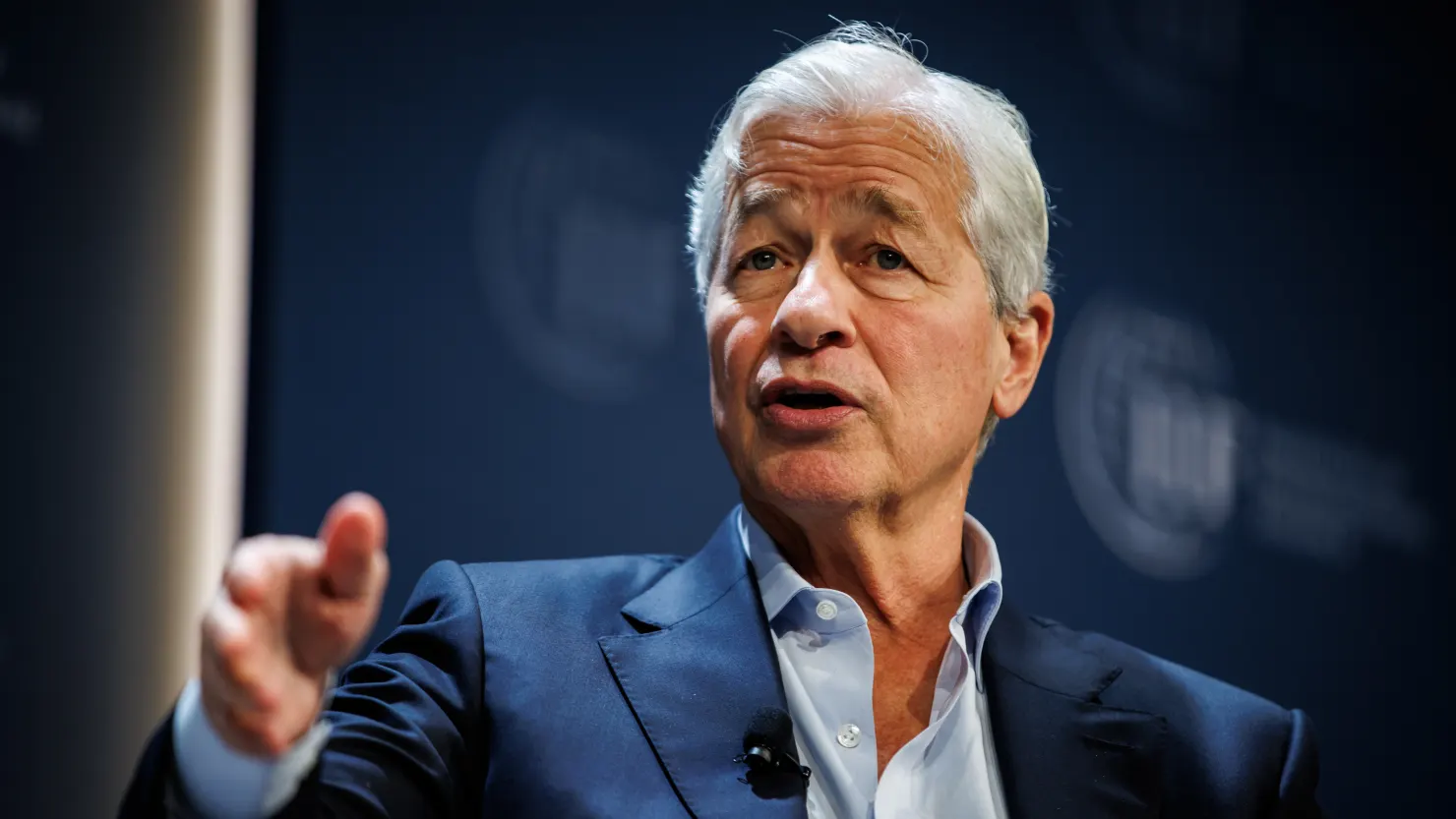
JPMorgan Chase chief executive Jamie Dimon on Wednesday openly questioned President Donald Trump’s handling of immigration, marking an uncommon moment in which a leading U.S. business figure publicly distanced himself from one of the president’s most defining policy areas.
Speaking during a panel discussion at the World Economic Forum in Davos, Switzerland, Dimon began by acknowledging what he viewed as positive steps taken by the Trump administration to strengthen border security. According to federal data cited by the BBC, illegal crossings along the U.S.-Mexico border dropped to their lowest point in half a century between October 2024 and September 2025.
Despite recognizing those results, Dimon made clear that he was deeply uncomfortable with the way immigration enforcement has been carried out. He appeared to allude to widely circulated videos showing U.S. Immigration and Customs Enforcement officers detaining people suspected of being undocumented immigrants.
“I don’t like what I’m seeing,” Dimon said, describing scenes that he felt reflected excessive force. He added that the national conversation around immigration had become overly charged and that the country needed to dial back the anger shaping the debate.
Dimon did not specify whether he was referring to a particular incident or speaking more generally about ICE operations, but his comments came amid heightened scrutiny of immigration enforcement practices.
Since the start of Trump’s second term, the administration has aggressively reshaped U.S. immigration policy. The changes have emphasized large-scale deportations, stricter limits on asylum claims, and significantly increased funding for ICE staffing and detention facilities. The White House has also reversed prior guidelines that restricted where immigration arrests could take place, resulting in enforcement actions at sensitive locations such as schools, hospitals, and places of worship. These moves have dramatically altered the experience of those seeking to remain in or enter the United States.
Unlike during Trump’s first presidency, many American corporate leaders have largely refrained from publicly criticizing the administration’s policies. Market analysts have suggested that executives may be wary of potential retaliation, pointing to legal actions taken by the administration against media outlets, universities, and law firms. As a result, some business leaders appear to prefer raising concerns privately rather than in public forums.
Against that backdrop, Dimon’s remarks stood out. During the discussion, he said he wanted greater clarity about who is being targeted in immigration raids, questioning whether those detained were in the country legally, whether they had committed crimes, or whether they had violated U.S. law.
He emphasized that immigrants play a vital role in the American economy. According to Dimon, many work in essential sectors such as healthcare, hospitality, agriculture, and food service. He described them as hardworking individuals who contribute positively to society and argued that they deserve to be treated with dignity and respect.
For years, Dimon has consistently highlighted immigration reform as a key driver of long-term economic growth in the United States. In his annual letters to shareholders and in numerous interviews, he has argued that a more rational and humane immigration system would strengthen the labor force, boost productivity, and support innovation.
As the head of JPMorgan Chase, the world’s largest bank by market capitalization, Dimon has previously expressed support for a merit-based green card system, pathways to citizenship for individuals brought to the U.S. as children, and the preservation of H-1B visas for skilled foreign workers. He has repeatedly pushed back against efforts to sharply restrict legal immigration.
At Davos, Dimon urged President Trump to consider offering citizenship opportunities to what he described as “hardworking people” and to preserve meaningful access to asylum for those in need of protection. He suggested that such reforms were feasible precisely because the administration had already succeeded in strengthening border control.
“I think he can do it,” Dimon said, noting that the president now had the political space to pursue a more balanced approach.
The conversation later turned to the broader climate facing U.S. business leaders. Zanny Minton Beddoes, editor-in-chief of The Economist, told Dimon that she was struck by how cautious many American CEOs had been when discussing Trump publicly. She noted that even those known for speaking out seemed hesitant to voice criticism and described the situation as one marked by fear.
Dimon rejected the idea that he had been silent, responding that he had made his opinions known on a range of issues, including tariffs, immigration, and U.S. relations with European allies. He reiterated his belief that the administration’s approach to immigration should change and suggested that his position had been clear.
“I’ve said it,” Dimon remarked. “What more do you want me to say?”