Andrew Ross Sorkin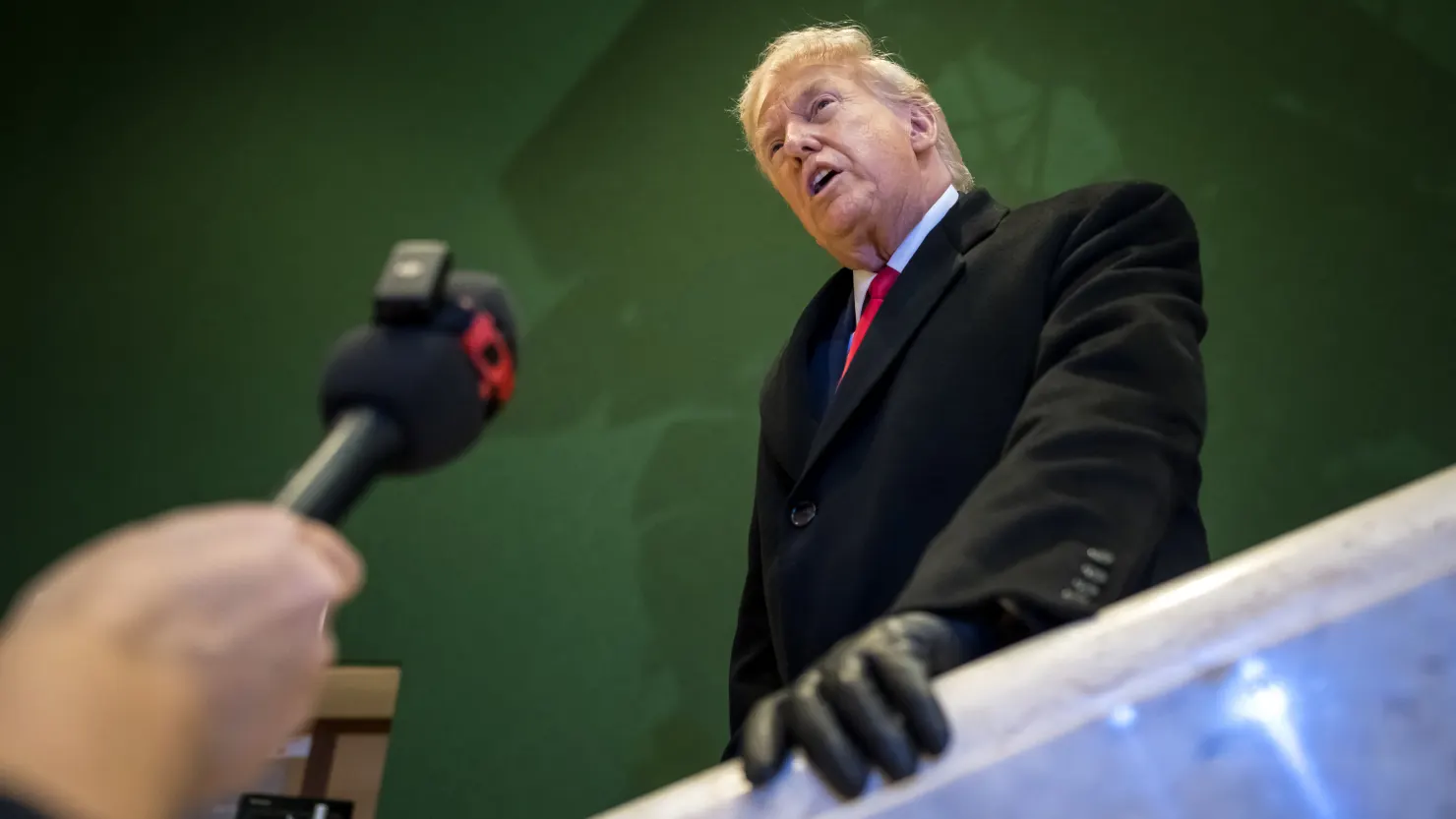
The countdown to new tariffs came to an unexpected halt.
On Wednesday, U.S. President Donald Trump announced that he had reached what he described as a “framework for a future agreement” with NATO Secretary General Mark Rutte regarding Greenland. The announcement prompted Trump to suspend previously threatened tariffs on European countries that had been scheduled to take effect on February 1.
At this stage, the details of the framework remain unclear. Speaking in an interview with CNBC, Trump characterized the agreement not as a finalized deal, but as a broad concept. According to him, the discussions center on deeper cooperation between the United States and Europe on a proposed Golden Dome missile defense system, as well as access to Greenland’s mineral resources.
When asked to elaborate, Trump declined to offer specifics. He acknowledged the complexity of the issue and said further explanations would come at a later time.
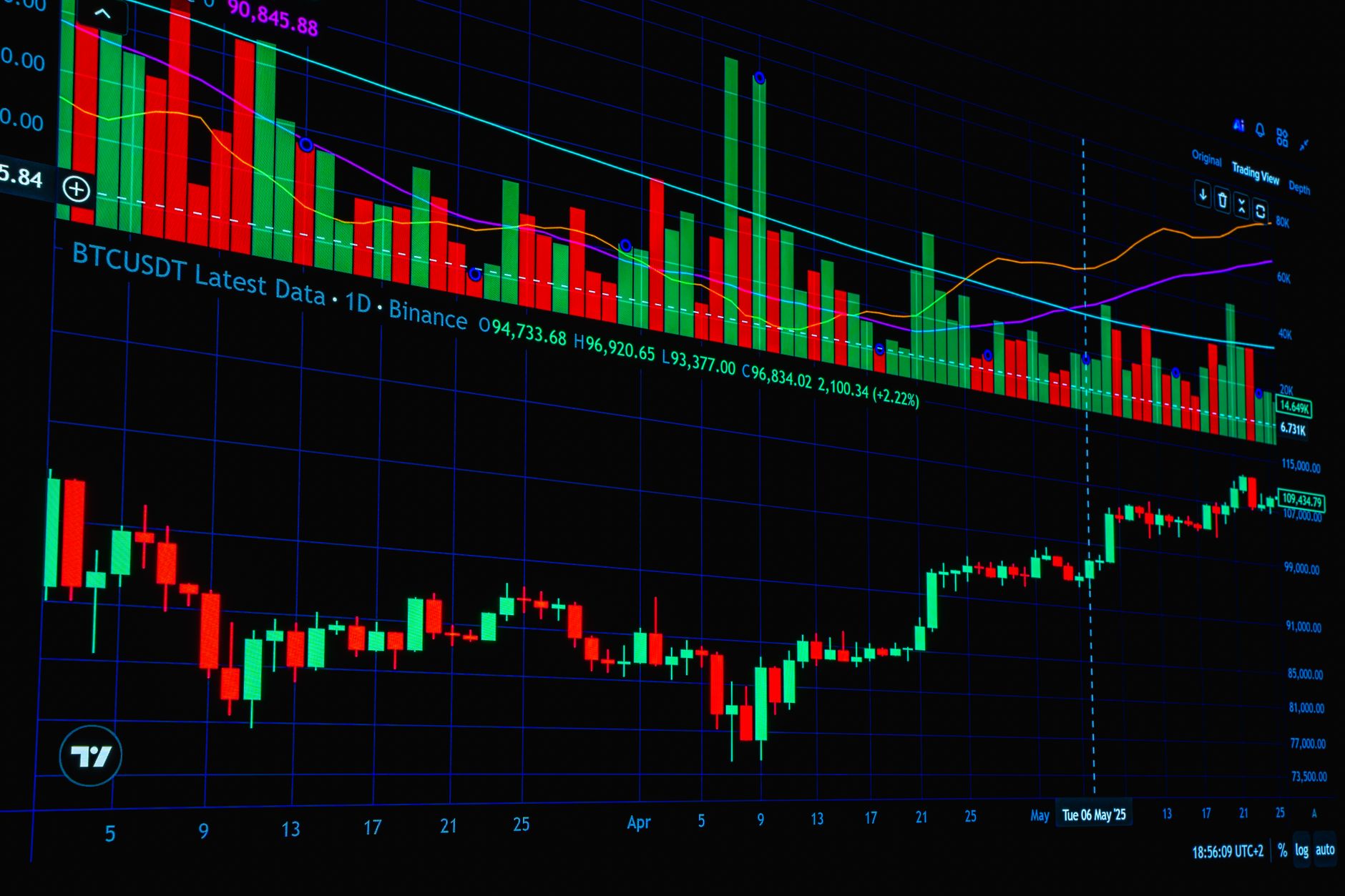
Financial markets reacted immediately, without waiting for clarification. A recent wave of pessimism toward U.S. assets reversed sharply following the announcement. U.S. equities surged, with major stock indexes rising more than one percent by the end of the trading session. At the same time, yields on 10-year Treasury bonds declined, while the U.S. dollar strengthened against other major currencies.
During the same interview, Trump also touched on several other policy topics. These included his considerations for the next chair of the Federal Reserve, America’s role in Iran-related issues, and his proposal to place caps on interest rates for credit cards.
Earlier that day, Trump delivered a speech at the World Economic Forum in Davos. In his remarks, he called for immediate negotiations over Greenland’s future, while emphasizing that the United States had no intention of pursuing a military approach.
The events marked a notable moment at this year’s Davos gathering, which adopted the theme “A Spirit of Dialogue.” Despite that theme, many conversations throughout the conference reflected strained alliances and heightened geopolitical tensions. Against that backdrop, the talks between Trump and Rutte appeared to ease concerns, at least temporarily, over the strategically significant Arctic territory.
For now, dialogue seems to have achieved what confrontation could not, lowering tensions over an island better known for ice than international diplomacy.
Market and policy highlights
Trump announces Greenland deal framework. The U.S. president said he and NATO Secretary General Mark Rutte have agreed on a preliminary framework related to Greenland, a move that led him to withdraw planned tariffs on European nations.
European lawmakers pause U.S. trade talks. Bernd Lange, who chairs the European Parliament’s Committee on International Trade, stated that Trump’s tariff threats contradict existing trade agreements, prompting lawmakers to suspend progress on a broader U.S.-EU trade deal.
South Korea’s growth falls short. The country’s economy expanded by 1.5 percent year over year in the final quarter, below the 1.9 percent growth forecast by economists. On a quarter-to-quarter basis, GDP contracted by 0.3 percent.
U.S. stocks rebound after tariff reversal. Major U.S. stock indexes climbed more than one percent, driven largely by gains in technology shares. European markets were mixed, though basic resources stocks in Europe saw strong gains.
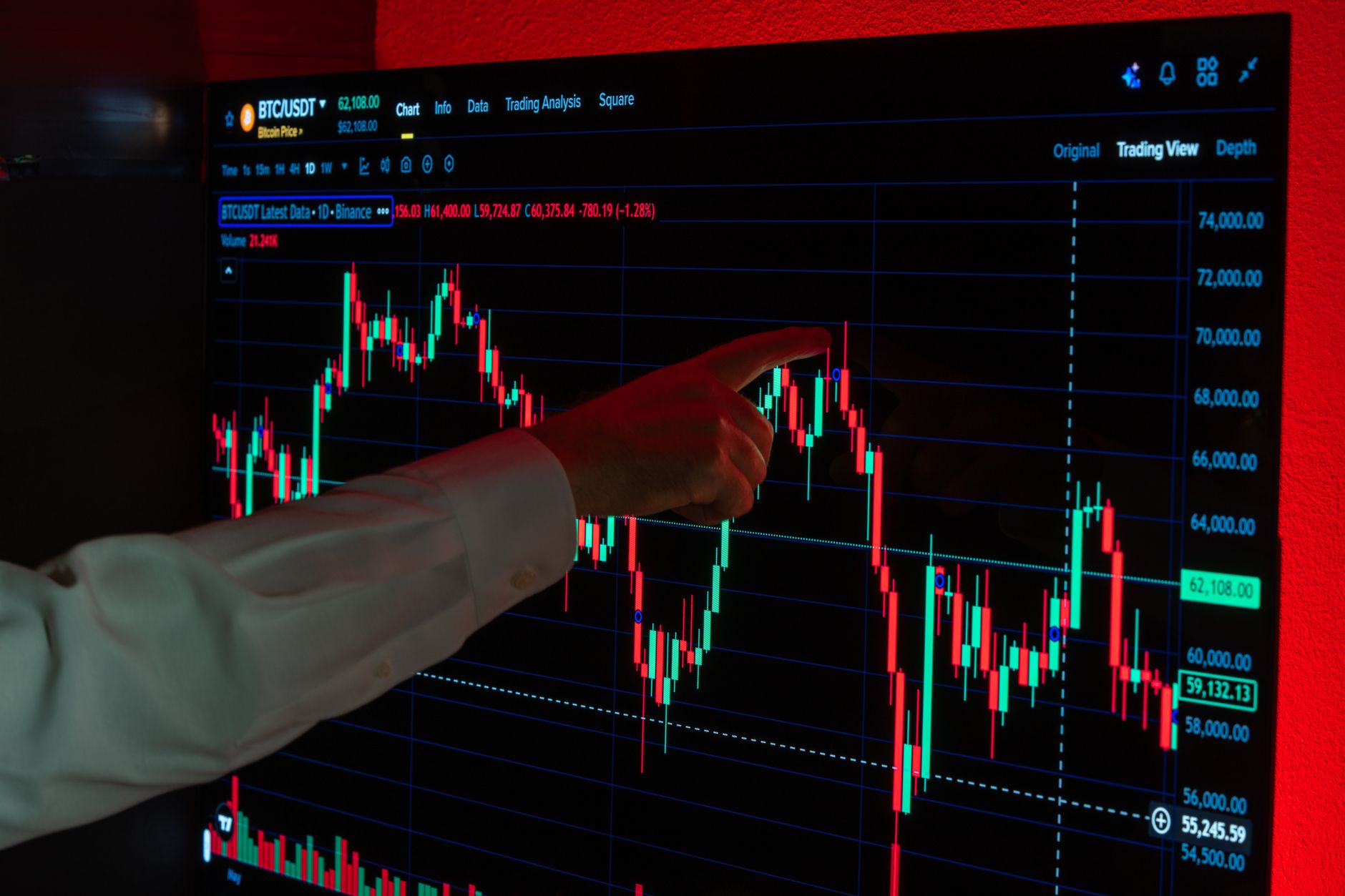
Early warning signs in AI stocks. Technical analysts are watching for a potential “death cross,” a chart pattern where short-term moving averages fall below long-term ones. One major artificial intelligence stock is approaching this bearish signal.
Inside the Davos speech
I was present when Trump addressed global leaders in Davos, and the anticipation was unlike anything I had seen at a policy forum. Thousands gathered outside the Congress Hall, waiting for hours to secure a seat. Even prominent business leaders were not exempt from the line.
As the hall filled, the atmosphere felt closer to that of a high-profile entertainment event than a traditional economic conference. Trump was greeted with enthusiastic applause as he took the stage, delivering what many considered the most closely watched speech of this year’s forum.
More than an hour into his remarks, Trump shifted to the topic many attendees had been expecting, and perhaps dreading. With a pause, he asked the audience a question that instantly focused the room’s attention: would they like him to talk about Greenland?