Andrew Ross Sorkin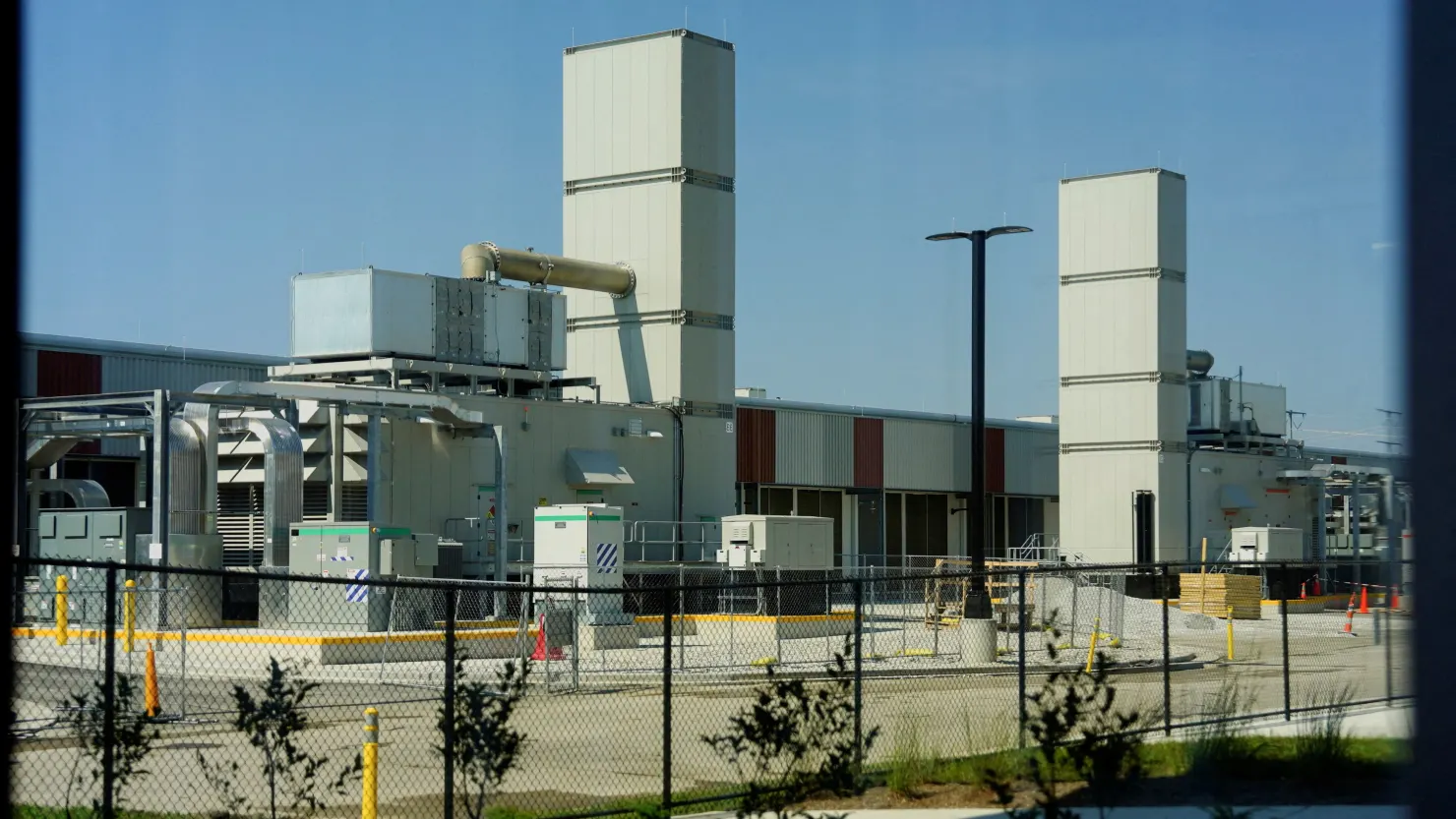
Local authorities in Mount Pleasant, Wisconsin, have officially approved Microsoft’s plan to construct 15 additional data centers near an existing campus that the company is already expanding. The decision marks another major step in Microsoft’s aggressive push to scale up its cloud and artificial intelligence infrastructure.
The expansion is expected to provide Microsoft with the additional computing capacity it needs to turn previously booked revenue into realized earnings, including contracts tied to OpenAI and other enterprise customers. At the same time, Microsoft is competing with other technology giants such as Amazon, Google, and Oracle, all of which are racing to build large-scale data centers packed with Nvidia chips capable of training and running generative AI models.
Securing suitable locations for data centers has become increasingly difficult. One major challenge is energy availability, as local utilities often lack sufficient capacity to support the massive power demands of these facilities. In addition, communities near proposed data center sites have become more vocal in opposing new developments, citing concerns over land use, environmental impact, and long-term economic benefits.
In Mount Pleasant, however, local officials and many residents have largely embraced Microsoft’s expansion. The village’s response contrasts sharply with past experiences involving other large corporate projects in the region.
In 2017, electronics manufacturer Foxconn announced ambitious plans to build a $10 billion manufacturing facility in Mount Pleasant, promising to create as many as 13,000 jobs. The project received national attention and was publicly praised by then-President Donald Trump. To accommodate the plan, the village purchased large amounts of land, and the state invested heavily in infrastructure upgrades. Ultimately, the project failed to meet expectations. By 2023, Foxconn employed only about 1,000 people statewide, while Mount Pleasant was left with more than $250 million in outstanding debt.
Nearby communities have taken a more cautious stance toward Microsoft’s data center ambitions. In the neighboring village of Caledonia, many residents strongly opposed a proposal to rezone land for a Microsoft data center. Facing mounting resistance, Microsoft decided in September to abandon plans for that location.
The newly approved development in Mount Pleasant will be built on two parcels of land located just northwest of Microsoft’s existing data center campus. For the larger parcel, Microsoft acquired land from both the village government and private owners during 2023 and 2024. According to documents filed with local authorities, the combined plans include nearly 9 million square feet of building space and the construction of three electrical substations.
Project documents estimate that the total taxable value of the proposed data centers will exceed $13 billion, making it one of the most significant commercial developments in the area’s history.
On Monday, the Mount Pleasant village board voted unanimously to approve both sets of development plans. During the public comment period, six speakers voiced support for the project, while three raised objections.
One of the critics argued that jobs associated with the data centers would be short-term and largely limited to construction. That claim was firmly rejected by David DeGroot, president of the Mount Pleasant village board.
Addressing union workers attending the meeting, DeGroot pushed back against the idea that the employment opportunities would be temporary. He noted that construction and related work at the data center sites is expected to last for at least a decade. In his view, a ten-year workload does not qualify as temporary and represents sustained employment for skilled tradespeople.
Further progress followed later in the week. On Wednesday, the village’s planning commission approved detailed site plans that incorporated revisions suggested by municipal staff. According to Samuel Schultz, Mount Pleasant’s community development director, the additional 15 data centers will not require more water than the 8.4 million gallons the village expects to receive annually from the nearby city of Racine.
With zoning and site approvals now in place, Microsoft is cleared to submit final civil engineering plans and apply for building permits, bringing the large-scale expansion one step closer to construction.