Andrew Ross Sorkin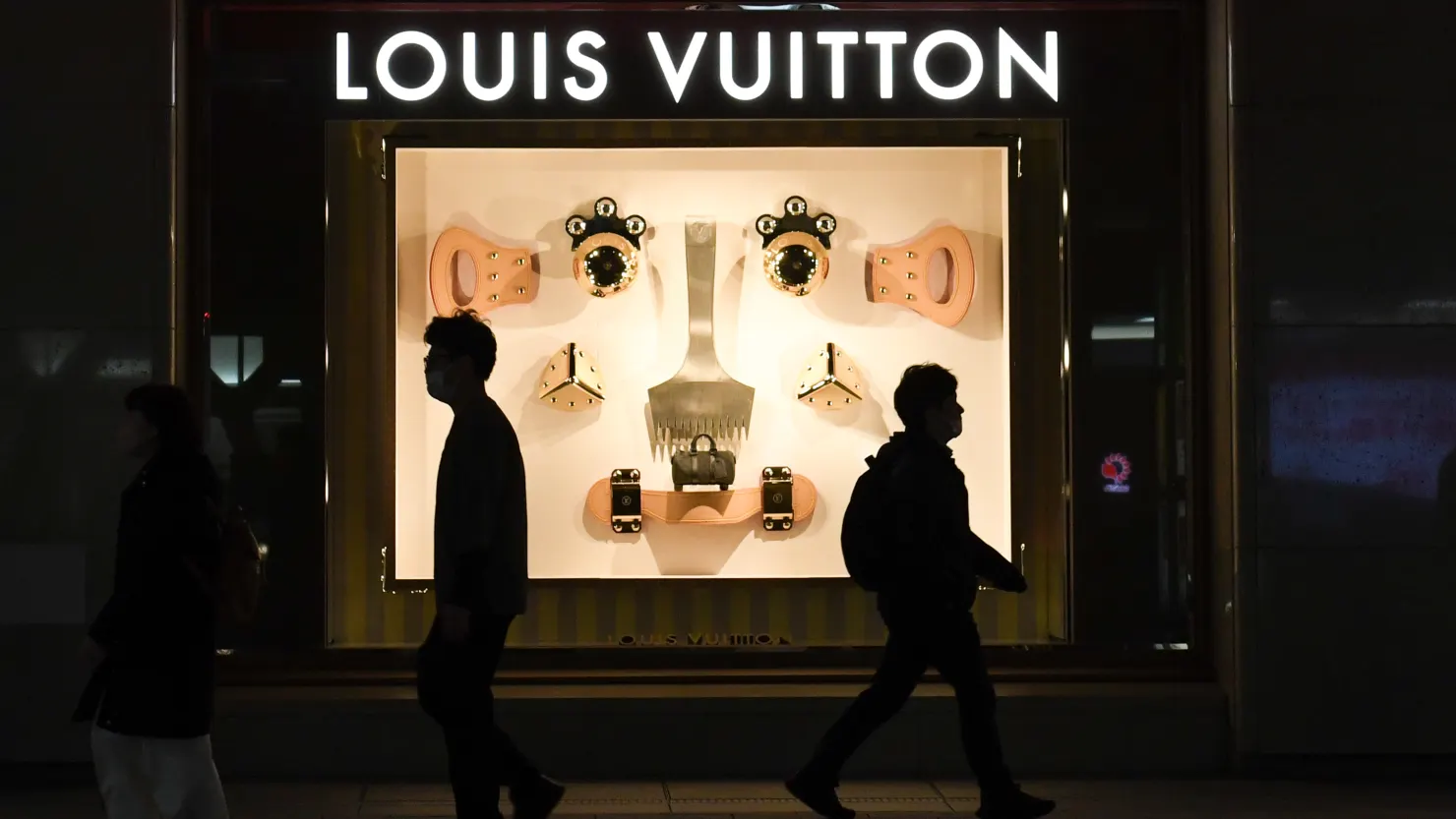
Luxury giant LVMH delivered stronger-than-expected earnings after markets closed on Tuesday, posting a second consecutive quarter of organic revenue growth as signs of a recovery in China’s luxury market began to appear more clearly in its financial results.
Organic revenue increased by 1% in the fourth quarter, matching the performance of the same period last year. For the full year, however, organic revenue still fell by 1%, reflecting the broader challenges faced by the luxury sector over the past two years.
Fourth-quarter revenue reached 22.7 billion euros, exceeding market expectations of 22.2 billion euros. For the entire year, LVMH reported total revenue of 80.8 billion euros, underscoring the group’s resilience despite a difficult operating environment.
The company noted that, excluding Japan, Asia showed a clear improvement compared with 2024. According to LVMH, the region returned to growth in the second half of the year, suggesting that consumer demand in key Asian markets, particularly China, is gradually stabilizing.
Even so, LVMH Chairman and CEO Bernard Arnault struck a cautious tone. He warned that “2026 won’t be simple,” pointing to an economic environment he described as unpredictable and disrupted, with ongoing uncertainty likely to affect global demand.
LVMH oversees a portfolio of around 75 luxury brands spanning fashion, leather goods, wines and spirits, perfumes, cosmetics, watches, and jewelry. Its fashion and leather goods division remains the main profit engine, housing flagship brands such as Louis Vuitton, Dior, and Fendi. Over the full year, organic sales in this division declined by 5%, a sharper drop than the 1% decline recorded the previous year, highlighting continued pressure on core fashion categories.
Investor sentiment toward LVMH had already improved earlier in the year. In October, the company’s shares jumped 12% in a single day after it reported a return to positive organic growth in the third quarter. That update, combined with results from other luxury peers, fueled optimism that the prolonged slowdown caused by weaker Chinese consumer spending might be easing.
“After the reassuring third quarter, market expectations were likely raised for the fourth quarter,” Barclays analyst Carole Madjo wrote ahead of the earnings release. She believes the luxury sector will continue its recovery into 2026, forecasting around 5% to 6% growth at constant exchange rates across the industry.
Madjo expects the United States to remain the primary engine of growth, while China continues to stabilize. However, she also cautioned that risks remain. Valuations across the sector have become more demanding, earnings upgrades have yet to fully materialize, and the return of aspirational shoppers cannot be taken for granted.
The uneven recovery reflects a broader split within the luxury industry. After booming in the early stages of the Covid-19 pandemic, brands began to diverge in performance. Companies with heavy exposure to fashion and leather goods, such as LVMH and Gucci owner Kering, faced greater headwinds. In contrast, groups with stronger positions in high-end jewelry and watches, which tend to attract wealthier and more resilient consumers, performed relatively better.
This trend was evident in the latest earnings season. Richemont, the world’s second-largest luxury group and owner of Cartier and Van Cleef & Arpels, reported December-quarter results that exceeded expectations. Sales rose 4% year on year in reported currencies, driven largely by strong demand for luxury jewelry. Bernstein analysts attributed this performance to the category’s long-term structural appeal.
Burberry also surprised on the upside, beating sales growth forecasts for the previous quarter. CEO Joshua Schulman credited part of the improvement to the brand’s success in engaging Gen Z consumers in China, where it has focused marketing efforts more intensively.
Still, analysts remain cautious about the outlook. “The Chinese consumer may be showing positive signs, but the sequential slowdown in China, even against tough comparisons, shows that the recovery path remains uneven,” said Bernstein analyst Luca Solca. He added that luxury brands can no longer rely on a constant flow of new luxury consumers in the region and must adapt to a more fragmented, K-shaped global economy.
Overall, while LVMH’s latest results point to early signs of stabilization and renewed confidence, the luxury sector’s recovery remains fragile, with growth likely to vary significantly by region, category, and consumer segment in the years ahead.