Andrew Ross Sorkin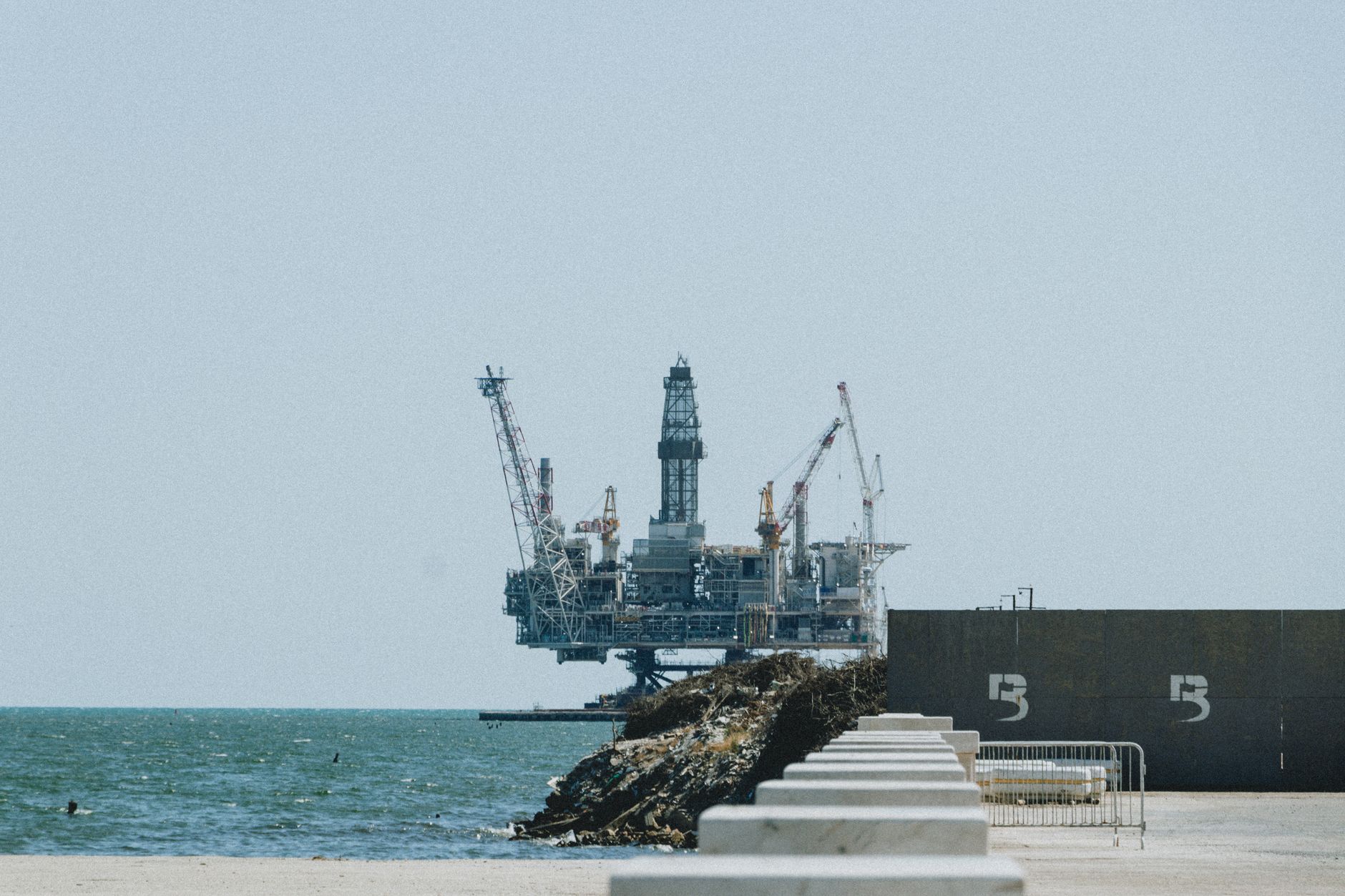
Shell has agreed to sell its ownership of BG Cyprus Ltd. to MOL Group for consideration of up to $720 million, transferring a 35% non-operated interest in the Aphrodite natural gas field as the two companies pursue contrasting portfolio strategies in the Eastern Mediterranean.
The transaction, announced on July 31, covers Shell’s entire interest in Cyprus Offshore Block 12 through the sale of the wholly owned subsidiary. The maximum price is subject to customary adjustments at closing and includes contingent payments linked to milestones in the execution of the project. Shell and MOL did not disclose the amount payable at completion, the timing of the deferred installments or the specific development events that would trigger them.
The structure is important because Aphrodite remains a development-stage asset rather than a producing field. Although the resource has been discovered, appraised and incorporated into an approved development plan, the joint venture has not taken a final investment decision. A material portion of the $720 million headline value may therefore depend on the field advancing through engineering, commercial, regulatory and construction stages.
BG Cyprus holds a 35% interest but does not operate the project. Chevron Cyprus is the operator with an equal 35% holding, while Israel’s NewMed Energy owns the remaining 30%. When the sale is completed, MOL will assume the rights, funding commitments and other obligations associated with Shell’s interest alongside Chevron and NewMed.
Aphrodite lies in Block 12 of Cyprus’s exclusive economic zone, approximately 170 kilometers southeast of the island. Discovered in 2011, it was the first natural gas discovery in the Cypriot economic zone and has remained central to the country’s efforts to establish a commercial offshore energy industry.
MOL estimates that the field contains about 104 billion cubic meters of contingent gas resources, equivalent to approximately 632 million barrels of oil equivalent, as well as around 8 million barrels of condensate. Cyprus’s Hydrocarbon Service separately reports a best estimate of approximately 6 trillion cubic feet of gas in place. The figures describe different resource measurements and should not be treated as directly interchangeable with recoverable reserves.
The approved development plan calls for four producing wells during the initial phase and an independent floating production unit positioned above the field. The facility is expected to process gas offshore before sending it through an approximately 250-kilometer subsea pipeline to Egypt’s transmission system.
The planned floating unit would have maximum production capacity of about 800 million cubic feet per day, according to development disclosures from NewMed. That scale would make Aphrodite a material source of regional supply, although actual production would depend on reservoir performance, final engineering specifications, customer demand and the operating strategy agreed by the partners.
Shell said all gas produced from Aphrodite is expected to be sold to the Egyptian Natural Gas Holding Company, known as EGAS. The field partners, the governments of Cyprus and Egypt, the Cyprus Hydrocarbons Company and EGAS signed a memorandum of understanding in February 2025 establishing a framework for negotiations over gas sales and transmission infrastructure.
Under that framework, EGAS would act as the principal buyer, while the producers would have an option to repurchase certain volumes in LNG form. The arrangement could allow some Aphrodite gas to serve the Egyptian domestic market and some to be processed through Egypt’s existing liquefaction infrastructure for shipment to Europe or other international destinations.
The memorandum did not by itself constitute the complete set of binding commercial agreements needed to sanction the project. The partners must still finalize gas-purchase terms, pipeline arrangements, financing structures and regulatory permissions across Cyprus and Egypt. Those requirements remain among the most consequential variables for the project’s schedule and economics.

The Cypriot government approved an updated development and production plan in February 2025 following negotiations with the consortium. The approval revised contractual milestones and removed an earlier notice of breach associated with delays in completing front-end engineering work. The partners subsequently moved forward with front-end engineering and design for the production system and export infrastructure.
The development plan was estimated in 2025 to cost approximately $4 billion on a 100% project basis before the completion of technical and economic studies. That estimate may change as engineering progresses, suppliers submit bids, financing is arranged and construction risks are incorporated. The acquisition price paid to Shell is therefore only one component of MOL’s potential financial commitment.
As a 35% partner, MOL will be expected to fund its contractual share of approved project expenditures unless the venture adopts a different financing arrangement. The capital needed to reach production could be substantial relative to the purchase consideration, particularly because deepwater facilities, subsea wells and a cross-border pipeline must be constructed before revenue begins.
MOL said the partners are targeting a final investment decision in 2027 and first gas in 2031. The timetable gives the buyer several years before the asset could contribute production or operating cash flow. It also exposes the project to changes in natural gas prices, construction costs, financing conditions, regional security and energy policy before operations begin.
For MOL, the transaction represents one of the largest additions to its upstream portfolio in recent years. The Budapest-based integrated energy company described Aphrodite as its most significant exploration and production growth opportunity since it acquired a 9.57% interest in Azerbaijan’s Azeri-Chirag-Gunashli oil field in 2019.
The Cyprus acquisition broadens MOL’s international upstream position beyond its Central European base and existing assets in countries including Azerbaijan, Croatia, Hungary, Kazakhstan, Pakistan and Egypt. It also gives the group exposure to a long-life gas development located within the European Union and operated by an international major with extensive deepwater experience.
MOL Chairman and Chief Executive Zsolt Hernádi said the deal was consistent with the company’s strategy of strengthening its international portfolio through partnerships with established energy groups. MOL views the project as a way to expand its reserve base, support longer-term production targets and increase geographic diversification during a period of geopolitical and supply uncertainty.
The acquisition does not give MOL operating control. Chevron will remain responsible for leading technical execution, coordinating contractors and preparing the field for an investment decision, subject to the governance arrangements among the partners. MOL’s influence over major spending and commercial decisions will depend on the voting provisions contained in the joint venture and production-sharing contracts.
For Shell, the sale illustrates a different approach to portfolio management. The company said Aphrodite remains an attractive development opportunity but that its exit was driven by disciplined capital allocation and a preference for investments that strengthen its integrated LNG value chain.
Shell has a significant global LNG business spanning gas production, liquefaction, shipping, trading and customer supply. Aphrodite offered potential access to LNG through Egypt, but Shell’s stake was non-operated, the project had not been sanctioned and the company would have faced a multiyear funding period before production. Selling the subsidiary allows Shell to monetize work completed to date while transferring future development exposure to MOL.

The decision should not be interpreted as a complete withdrawal by Shell from Egypt or from the wider Eastern Mediterranean gas market. Shell said Egypt remains an important country for the group and that it continues to maintain a significant presence there. The transaction is more narrowly a disposal of a specific pre-production interest that competed with other opportunities for capital.
Shell inherited the Aphrodite stake through its acquisition of BG Group. BG acquired the interest through BG Cyprus in 2015, and the subsidiary became part of Shell when the companies completed their combination in February 2016. Shell subsequently worked with Cyprus, Chevron and NewMed to revise the development concept and establish the proposed route to Egypt.
The sale also highlights the changing ownership pattern of large offshore projects. Global energy majors have increasingly concentrated spending on assets where they have operating control, established infrastructure, lower unit costs or direct integration with trading and LNG businesses. Regional and mid-sized international producers, meanwhile, have sought development assets capable of replacing reserves and supporting production beyond the current decade.
Aphrodite offers MOL that type of longer-dated growth, but it remains subject to execution risk. The final design must demonstrate that the field can be developed at commercially acceptable costs. The partners must reach binding arrangements with EGAS, secure permits for cross-border infrastructure and align the project’s financing with expected gas prices and fiscal obligations.
Deepwater construction introduces additional risks involving drilling performance, subsea equipment, floating-facility delivery, pipeline installation and contractor availability. Cost inflation or schedule slippage could alter project returns, while geopolitical developments in the Eastern Mediterranean could affect logistics, financing or market access.
The planned pipeline connection to Egypt is nevertheless a strategic advantage because it is intended to link Aphrodite with an established gas market and existing export infrastructure rather than requiring Cyprus to construct a new standalone LNG plant. Egypt has domestic gas demand as well as liquefaction facilities capable of serving international buyers when sufficient feedgas is available.
For Cyprus, the ownership change does not immediately generate gas production or establish a firm date for government revenue. Its significance lies in MOL’s commitment to enter the license and participate in the next stage of development. Progress toward the 2027 investment decision will determine whether the country’s first offshore discovery moves from a long-delayed resource into a producing asset.
The deal is expected to close in early 2027 following regulatory approvals and satisfaction of other conditions. Until completion, Shell remains the owner of BG Cyprus and retains its existing responsibilities within the consortium. After closing, MOL will join Chevron and NewMed as the partners responsible for deciding whether Aphrodite’s engineering, commercial agreements and projected returns support full project sanction.
Investors will consequently focus less on the $720 million maximum price in isolation than on the undisclosed upfront payment, the conditions attached to future installments and the capital MOL must contribute after acquisition. For Shell, the principal measure will be whether the disposal improves capital efficiency without weakening its broader gas and LNG position. For MOL, the transaction’s ultimate value will depend on bringing a major deepwater gas field into production on schedule and within an economically sustainable budget.