Andrew Ross Sorkin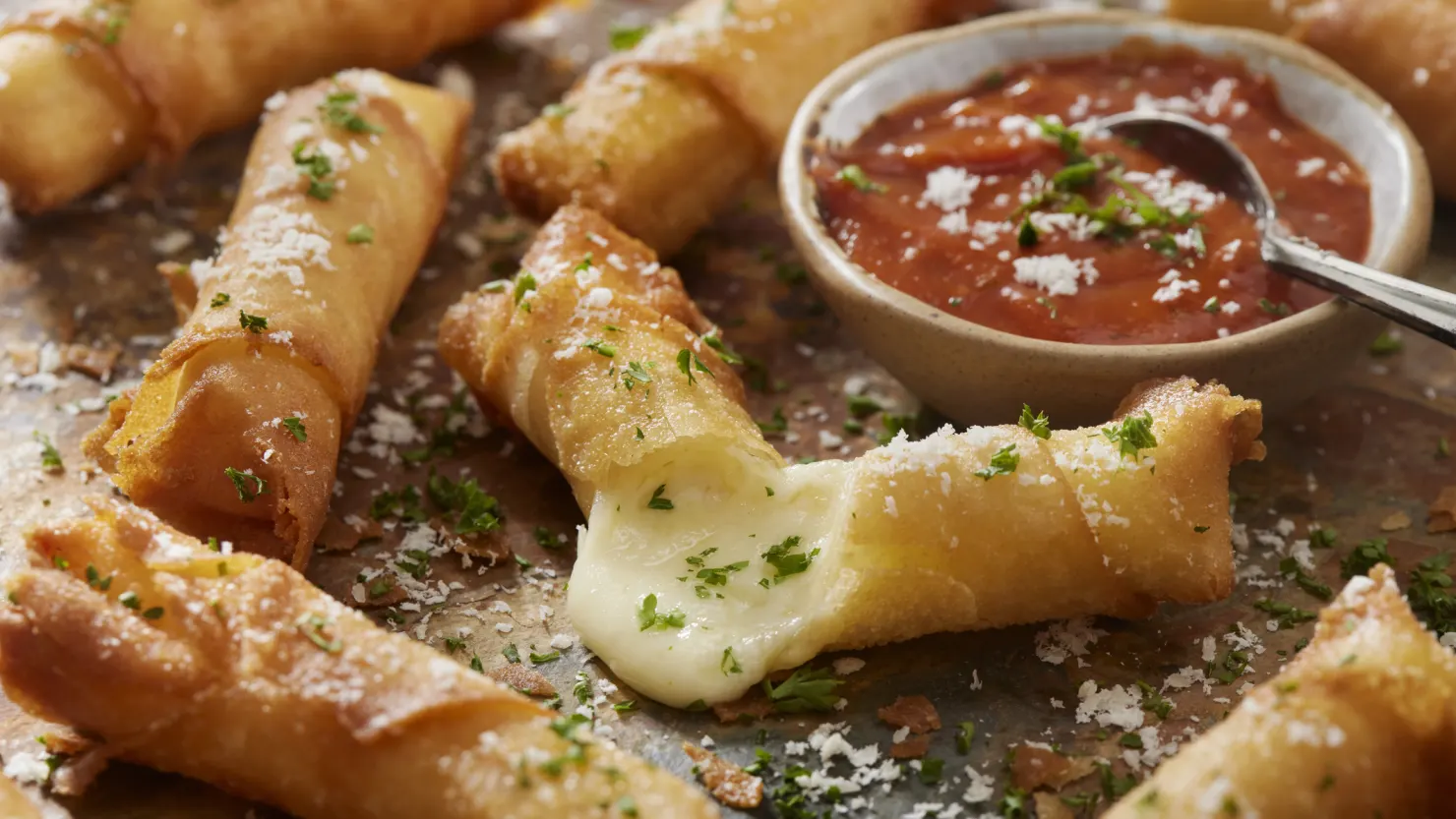
Consumers have not stopped going to restaurants, but how they spend once they sit down is clearly changing. Instead of ordering full-priced main courses, more diners are choosing smaller, lower-cost items, particularly appetizers. New purchasing data from the restaurant supply chain suggests that even Americans who continue to eat out are actively looking for ways to rein in spending.
According to Jim Pazzanese, executive vice president of global strategic procurement at Buyers Edge Platform, appetizer demand has surged while other categories remain flat. Buyers Edge tracks purchasing behavior across the food service industry, and its latest figures show appetizer orders rising roughly 20 percent year over year. In contrast, sales of entrees and desserts have largely stalled or declined.
Pazzanese noted that the trend is evident at the individual product level. Several popular starters sold to restaurant operators are seeing growth rates well above 30 percent, highlighting a clear shift in what diners are willing to order and pay for.
Among the fastest-growing appetizers are mozzarella sticks, which have climbed 36 percent, followed closely by pickle chips at 35 percent and cheese curds at 33 percent. Jalapeño poppers are up 20 percent, while cheese bites have increased by 17 percent. Based on year-to-date data from Buyers Edge, these items are outperforming nearly every other category on the menu.
Pazzanese has described the current dining landscape as an “appetizer economy,” a term that reflects both consumer caution and restaurant adaptation. While appetizers are gaining popularity, desserts are moving in the opposite direction, with orders down about 2 percent compared with last year.
One major factor behind the rise in appetizer sales is their close connection to promotions and drink specials. In a challenging economic environment, these deals are often what persuade consumers to spend money at restaurants in the first place.
Consumers have learned that appetizers are more likely to be bundled with discounts or paired with beverage promotions, making a night out feel more affordable. Instead of committing to an expensive entrée, diners can share a few starters, order drinks, and still enjoy the social experience of eating out without overspending.
From the restaurant operator’s perspective, the shift also makes financial sense. Pazzanese explained that frozen and shelf-stable appetizers are among the fastest-growing stock-keeping units in the category. These products allow restaurants to better manage fluctuating demand while reducing food waste, which has become increasingly important as costs remain volatile.
The changes in restaurant behavior mirror broader patterns in how Americans are spending on food. Brian Choi, CEO of the Food Institute, said the current K-shaped economy is clearly reflected in consumer food purchases. While higher-income households continue to spend freely on new or premium products, most consumers are trading down to save money.
In grocery stores, this shift is evident in the growing popularity of private-label brands. As food inflation continues to influence purchasing decisions, shoppers are increasingly choosing store brands over national labels. Choi said the wealthiest 10 percent of consumers are still willing to pay more for novelty and quality, but the majority are focused on value.
Switching to private-label products can save shoppers anywhere from 10 to 20 percent, according to Choi. Over the past five years, consumer perceptions of store brands have improved significantly, to the point where many shoppers now see them as comparable in quality to well-known national brands.
Retailers have responded by expanding their private-label offerings and giving them more shelf space. Companies such as Albertsons, Costco, and Kroger are among those investing heavily in their own brands. Save Mart has introduced private-label beef, poultry, and pork products, while Amazon launched Amazon Grocery, featuring many items priced under five dollars.
Albertsons has publicly stated that private-label products could eventually account for as much as 30 percent of its total sales. Amazon officially debuted its private-label grocery initiative in October, signaling confidence in continued consumer demand for lower-priced alternatives.
Although overall inflation has eased since peaking in 2022, food prices have proven stubborn. Food Institute data shows that food price inflation began rising again around the midpoint of 2025. Prices for food consumed at home have increased by roughly 1.9 percent to 2.7 percent year over year.
The most recent consumer price index available, released for September, showed food prices up 3.1 percent compared with the previous year. Prices for meat, poultry, fish, and eggs rose even more sharply, climbing 5.2 percent over the same period. Data for October was not released due to a government shutdown, and the November report was delayed, leaving consumers and businesses with limited visibility into recent trends.
Choi expects private-label growth to continue and believes it will outpace national brands in 2026. Rising costs are also pushing changes beyond grocery stores and into restaurants and institutional food service.
The September CPI revealed that “food away from home” inflation was higher than overall food inflation, reaching 3.7 percent year over year. Full-service restaurant meals rose even faster, at 4.2 percent. As a result, restaurants, college and university dining halls, and convenience stores are increasingly turning to private-label products as a cost-control strategy.
Phil Kafarakis, CEO of the Food Away from Home Association, said the $1.5 trillion food-away-from-home industry is steadily moving toward greater use of private-label brands. For operators, the goal is simple: reduce expenses while maintaining acceptable quality in an environment of persistent price pressure.
Kafarakis pointed to tariffs and ongoing supply chain disruptions as major drivers of higher costs, particularly for perishable goods. These pressures have limited the ability of businesses to lower prices quickly, even as inflation shows signs of cooling in other sectors.
He cautioned that consumers often underestimate how complex and slow-moving the food supply chain can be. Price corrections do not happen in a matter of weeks, especially when disruptions affect agricultural production.
According to Kafarakis, some relief from tariffs could begin to materialize in the spring, but expectations should remain realistic. Factors such as droughts, disease, or other supply shocks can take months or even years to resolve. For example, rebuilding beef supply after a disruption requires time, from raising livestock to processing and distribution.
In the meantime, both consumers and businesses are adapting. Whether it is choosing mozzarella sticks over steak at a restaurant or opting for store-brand groceries instead of national labels, Americans are finding practical ways to manage food costs. The rise of the appetizer economy and private-label products reflects a broader shift toward value, caution, and flexibility in how people eat and spend.