Andrew Ross Sorkin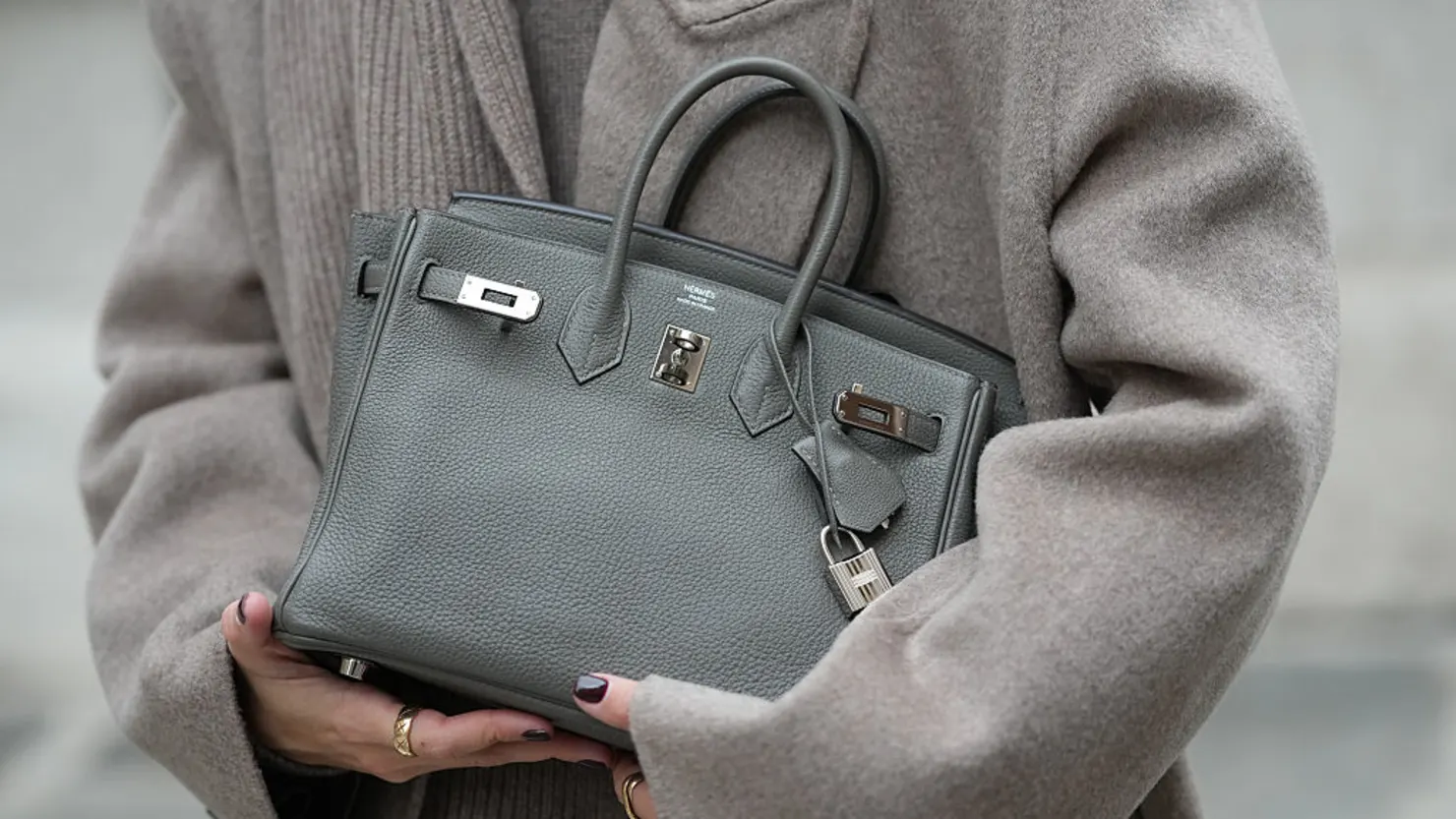
Despite a pair of eye-catching headline auctions involving Birkin handbags once owned by Jane Birkin herself, the broader resale market for Hermès’ most coveted bags is losing momentum, according to new research tracking auction trends.
Earlier this month, Sotheby’s sold a Birkin bag that previously belonged to Jane Birkin for an astonishing $2.9 million, far exceeding its upper estimate of $440,000. The bag, a Black Box Birkin 40 with palladium hardware, carried added significance because it was personally signed by the actress and singer, who owned it between 2003 and 2007. That sale came shortly after another record-breaking moment in July, when Birkin’s original Birkin bag fetched $10 million at the same auction house.
These exceptional results, however, reflect the rarity and provenance of Jane Birkin’s personal collection rather than the overall health of the secondary Hermès market. Beyond these celebrity-linked pieces, prices for secondhand Birkin and Kelly bags have been steadily declining from the peaks seen during the pandemic years, according to an analysis by Bernstein.
Bernstein’s Secondhand Pricing Tracker measures what it calls the resale premium, defined as the auction sale price of a bag compared with its original retail price. The index is weighted by transaction volume to reflect broader market behavior. For example, a resale premium of 1.5 indicates that a bag originally priced at $10,000 resold for $15,000.
The data show a clear downward trend. The average resale premium for Birkin and Kelly bags fell from 2.2 times retail in 2022 to 1.4 times by November. One widely traded model, the Birkin Togo 30, now resells at roughly its original retail price, eliminating the premium that once defined the bag’s appeal as an investment asset. That same model carried a resale multiple of 1.7 in 2022 and as high as 1.9 in 2018.
Industry analysts attribute this shift to a combination of economic and market forces. Inflation has squeezed discretionary spending, while a cooling job market has reduced the number of aspirational luxury consumers willing or able to chase six-figure handbags at auction. At the same time, supply pressures are mounting as more secondhand Birkins enter the market and the number of luxury resale platforms continues to grow.
“There has been a sobering up from the post-Covid euphoria,” said Luca Solca, a luxury analyst at Bernstein. “We are atoning and normalizing from that boom.”
During the pandemic, luxury handbags, particularly Hermès Birkins, were widely viewed as alternative investments. Limited supply, rising retail prices, and an influx of new buyers drove resale values sharply higher. As global conditions normalize, that speculative element has cooled, leading to a more balanced market where prices more closely reflect underlying demand.
Even so, the Hermès mystique remains largely intact. Most Birkin and Kelly bags still sell above their original retail prices, underscoring the brand’s unmatched desirability and chronic supply constraints. Many buyers remain willing to pay a premium on the secondary market to bypass Hermès’ notoriously opaque purchasing system, which often involves long wait times and close relationships with sales associates.
Additional data from Rebag, a major reseller of pre-owned luxury goods, reinforces Hermès’ continued dominance. In its 2025 report, Rebag found that Hermès led the handbag category, with eight of its bag styles reselling for more than their original retail prices.
According to the report, Birkin handbags were selling at an average premium of 122%, meaning resale prices were roughly 22% higher than original retail. While resale values have largely plateaued over the past two years and failed to keep pace with Hermès’ retail price increases, long-term performance remains strong. Rebag noted that resale prices for Birkins have nearly doubled since 2015.
This longer-term perspective highlights an important distinction between short-term market fluctuations and enduring brand power. While the frenzy of the pandemic era may have inflated expectations, Hermès continues to outperform nearly all competitors in the luxury resale space.
Solca emphasized that relative positioning matters more than temporary price movements. Even if auction prices soften, Hermès’ standing at the top of the luxury hierarchy remains unchallenged.
“What counts is the ranking in the pecking order, in terms of consumer desirability,” he said. “I see Hermès firmly in the top spot.”
In other words, while Birkin prices may no longer soar unchecked, the brand’s cultural and commercial influence shows little sign of fading.