Baron Capital Launches 5 New ETFs: A Strategic Investment Shift

Baron Capital has launched five actively managed ETFs, reflecting a shift towards broader investor preferences. The ETFs leverage the firm’s proven investment strategies, focusing on long-term growth areas like SpaceX and AI. With a history of outperforming benchmarks, Baron aims to attract new investors while adapting to an evolving asset management landscape.


Michael Dell’s $6.25B Initiative for Children’s Financial Growth

Michael Dell and his wife announced a $6.25 billion philanthropic initiative for “Trump accounts,” aimed at providing tax-advantaged savings for American children. This initiative will benefit approximately 25 million children by offering $250 contributions for those from eligible households. The program emphasizes automatic enrollment and long-term savings themes akin to IRAs, starting in 2026.

Exploring Trump’s New Child Savings Initiative

The White House introduced a $6.25 billion initiative in partnership with Michael and Susan Dell to create child savings accounts for American youth. Eligible families can receive contributions from the Dell fund or government deposits, aimed at promoting early wealth accumulation. The program launches mid-2026, targeting broader financial market participation.

Investing in Gold ETFs: A Complete Guide

Exchange-traded funds (ETFs) provide an accessible way for individuals to invest in gold without physical ownership. While gold prices have surged, experts warn of volatility and tax complexities arising from different ETF structures. Financial planners typically advise limiting gold investments to 5% of a diversified portfolio for long-term strategy.

Market Shift: Investors Move Beyond AI Stocks

A shift in the stock market is occurring as investors move away from AI-focused stocks, influenced by the Federal Reserve’s rate cuts. Experts John Davi and Sophia Massie advocate for a diversified investment approach, highlighting sectors like emerging markets and industrials as counterweights to tech giants, emphasizing broader exposure amid uncertainty in AI valuation.

Reviving Crypto: The Impact of U.S. Government Reopening

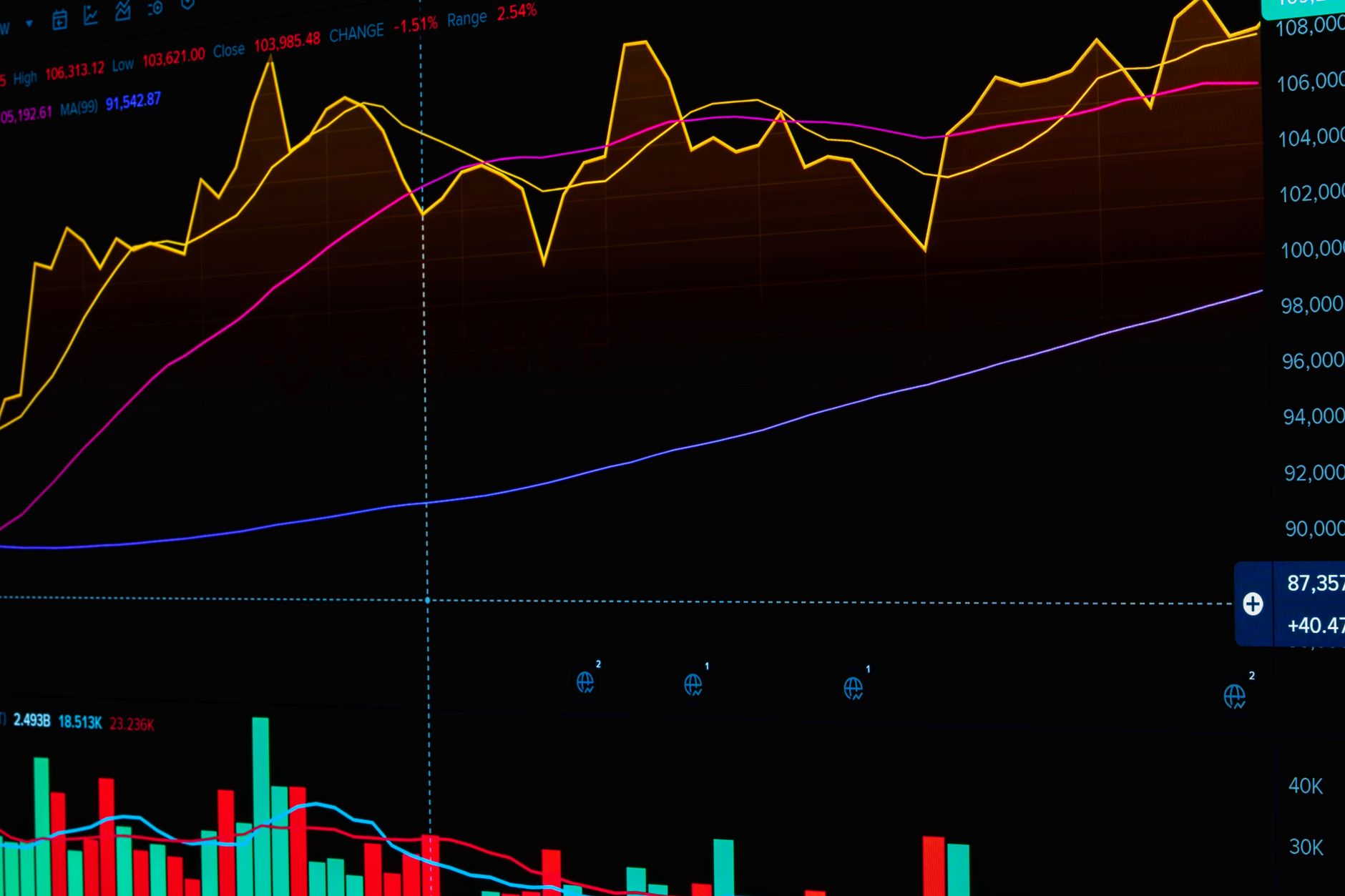
The reopening of the U.S. government may catalyze a boom in the cryptocurrency market, with over 100 new investment products expected. Industry leaders anticipate significant advancements, especially in index-based ETPs, which simplify exposure for investors. Regulatory clarity could transform digital assets from niche markets to integral parts of diversified portfolios, despite current volatility.

Bond ETFs vs Mutual Funds: Key Trends for Investors

Investors are increasingly shifting from mutual funds to bond ETFs, drawn by lower costs and flexibility. In 2023, nearly $344 billion flowed into these ETFs, double the amount for mutual funds. While bond ETFs offer diversification and potential income, understanding their structure, risks, and tax implications is crucial for effective investment.

Why Bond ETFs Are Gaining Investor Popularity

Investors are shifting toward bond ETFs, attracted by lower fees and tax efficiency. By October, ETFs garnered $344 billion compared to $138 billion for mutual funds, with notable inflows in October. While actively managed bond ETFs offer potential outperformance, they come with higher fees. Investors must understand risks and bond types within ETFs for stability.

Industrial Stocks Poised for Growth Amid AI Surge

Industrial and infrastructure stocks are expected to gain attention as market trends shift, according to analysts. Mike Atkins notes a push towards reshoring benefiting these sectors. Meanwhile, Ryan O’Connor emphasizes infrastructure’s role in supporting AI growth. The Global X infrastructure ETF has performed well this year, suggesting renewed investor interest.

Why Baby Boomers Resist ETFs: Key Insights

Despite a growing interest in exchange-traded funds (ETFs), baby boomers remain cautious about shifting from mutual funds, with only 6% planning to increase ETF investments. Concerns include potential capital gains taxes and the philosophical preference for active management. The decision reflects personal financial strategies rather than generational trends alone.