Prada’s Strategic Dual Listing: Future Insights

Prada is contemplating a dual-listing strategy while emphasizing a cautious approach regarding timing, pending market conditions. Despite industry shifts, the company has achieved steady growth for 19 consecutive quarters, supported by strong demand, particularly in the U.S. Prada’s acquisition of Versace and leadership transitions reflect its ambition for long-term development in the luxury sector.


Nvidia’s Bullish Future: $500 Billion in Orders Ahead

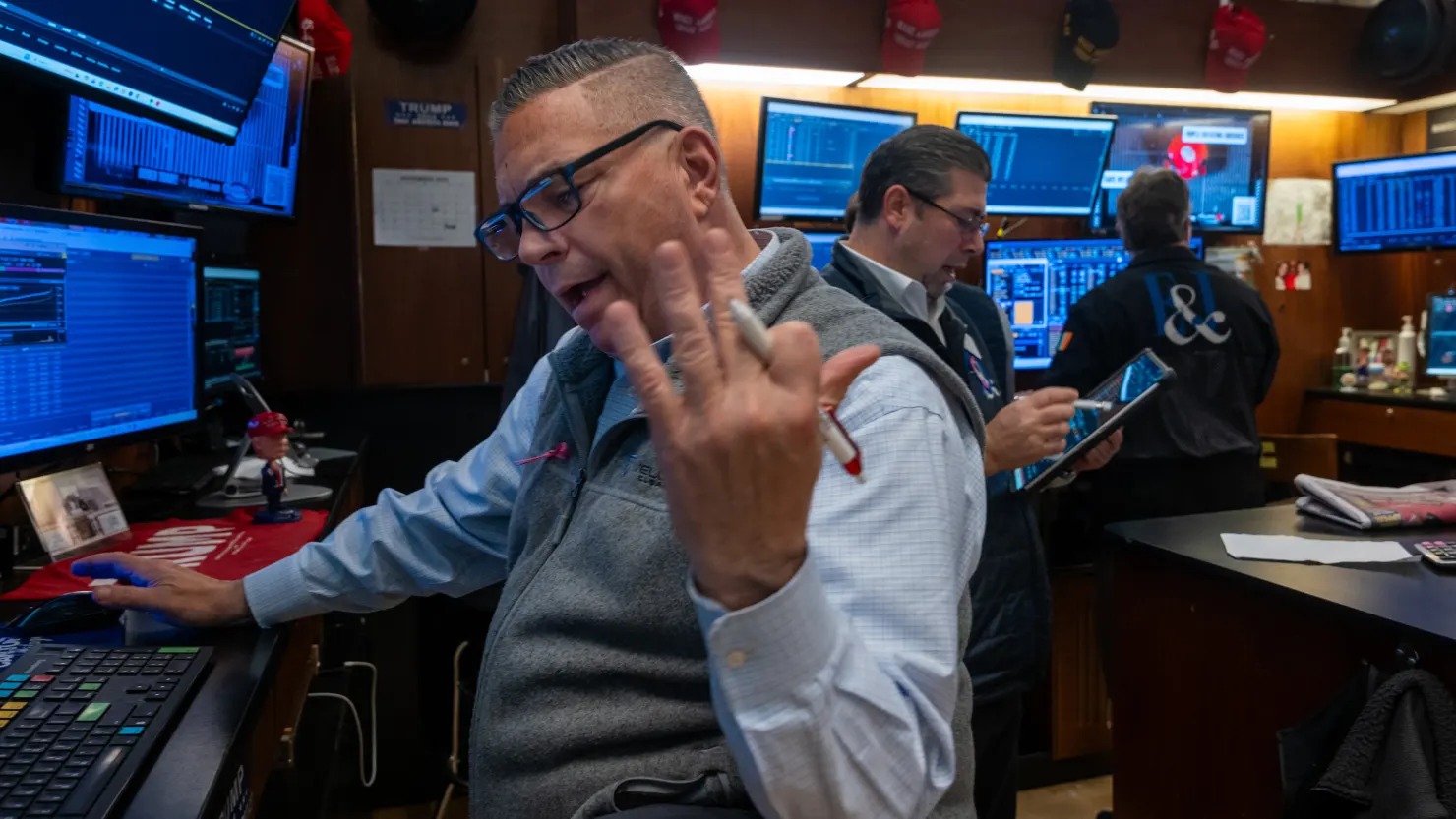
The Nasdaq Composite fell 0.84% on Monday due to declines in tech stocks, particularly Nvidia, which dropped nearly 2%. Analysts anticipate Nvidia’s guidance will significantly impact market reactions. While tech valuation concerns persist, some predict a year-end rally. Meanwhile, India strengthens energy ties with the U.S., and Switzerland’s trade deal faces criticism.

JPMorgan Strikes Key Deals with Fintech Firms for Data Access

JPMorgan Chase has secured agreements with fintech firms for compensation regarding data access, addressing a long-standing conflict between banks and data intermediaries. While aimed at enhancing security and reliability, the new fees could hinder competition and innovation, leading to potential challenges for startups. The debate over open banking in the U.S. continues.

Warren Buffett’s Game-Changing Investment in Alphabet

Berkshire Hathaway, led by Warren Buffett, announced a $4.3 billion stake in Alphabet, highlighting a shift towards technology investments. This marks Buffett’s first known investment in Google since its inception. Alphabet’s growth, driven by its cloud division and AI advancements, aligns with Berkshire’s value-investing principles, reinforcing a long-term investment approach.

Industrial Stocks Poised for Growth Amid AI Surge

Industrial and infrastructure stocks are expected to gain attention as market trends shift, according to analysts. Mike Atkins notes a push towards reshoring benefiting these sectors. Meanwhile, Ryan O’Connor emphasizes infrastructure’s role in supporting AI growth. The Global X infrastructure ETF has performed well this year, suggesting renewed investor interest.

U.S. Economic Data Resumes Post-Shutdown

As the federal government resumes operations post-shutdown, the Bureau of Labor Statistics will publish the delayed September nonfarm payrolls report, revealing job performance data. This data is critical for markets, though concerns remain about its completeness. Delays in economic indicators have sparked political frustration, emphasizing the urgent need for accurate statistics.

StubHub Stock Drops 20%: Quarterly Report Insights

StubHub’s stock fell 20% after its first quarterly report since going public, revealing mixed results with revenue at $468.1 million but a significant loss of $1.33 billion per share. Despite strong ticket demand, the company declined to offer guidance for the current quarter, increasing investor uncertainty about its financial future.

2025 Guide to Choosing a Top-Tier Study Abroad Agency in Canada and Avoiding Pitfalls

When selecting a Canadian study abroad agency, students need to consider factors like agency professionalism, service quality, and local presence due to evolving policies. Various agencies cater to different needs, from application support to career planning. Trends indicate a shift towards a full-service model that includes post-study employment assistance.

Why Millionaires Prefer Wellness Over Wealth Managers

A report from Long Angle reveals a shift among millionaires prioritizing personal well-being over financial advice. Many express dissatisfaction with wealth managers, citing high fees and poor service. In contrast, satisfaction with personal trainers and therapists is high. Wealthy individuals now value individualized, compassionate services that enhance their quality of life.

Dow Jones vs Nasdaq: A Tale of Two Markets

On Wednesday, the Dow Jones reached a record high while the Nasdaq Composite declined, illustrating a split U.S. stock market between traditional industries and tech-driven sectors. This reflects portfolio adjustments rather than an AI bubble. Investors are concerned about stagnant “zombie companies” in private equity amidst evolving market conditions.