OpenAI’s 2026 Vision: Practical AI Adoption for Everyday Life

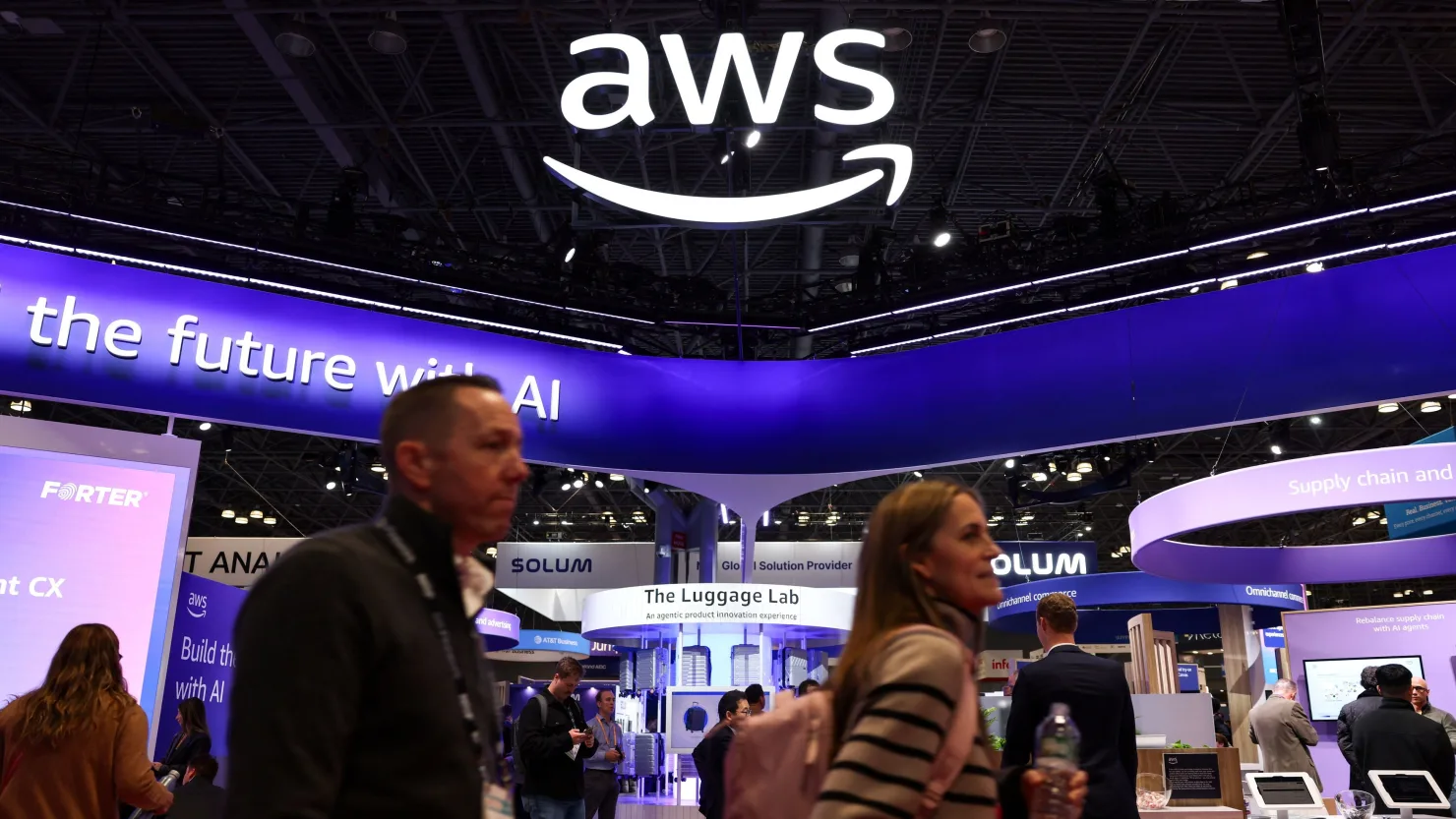
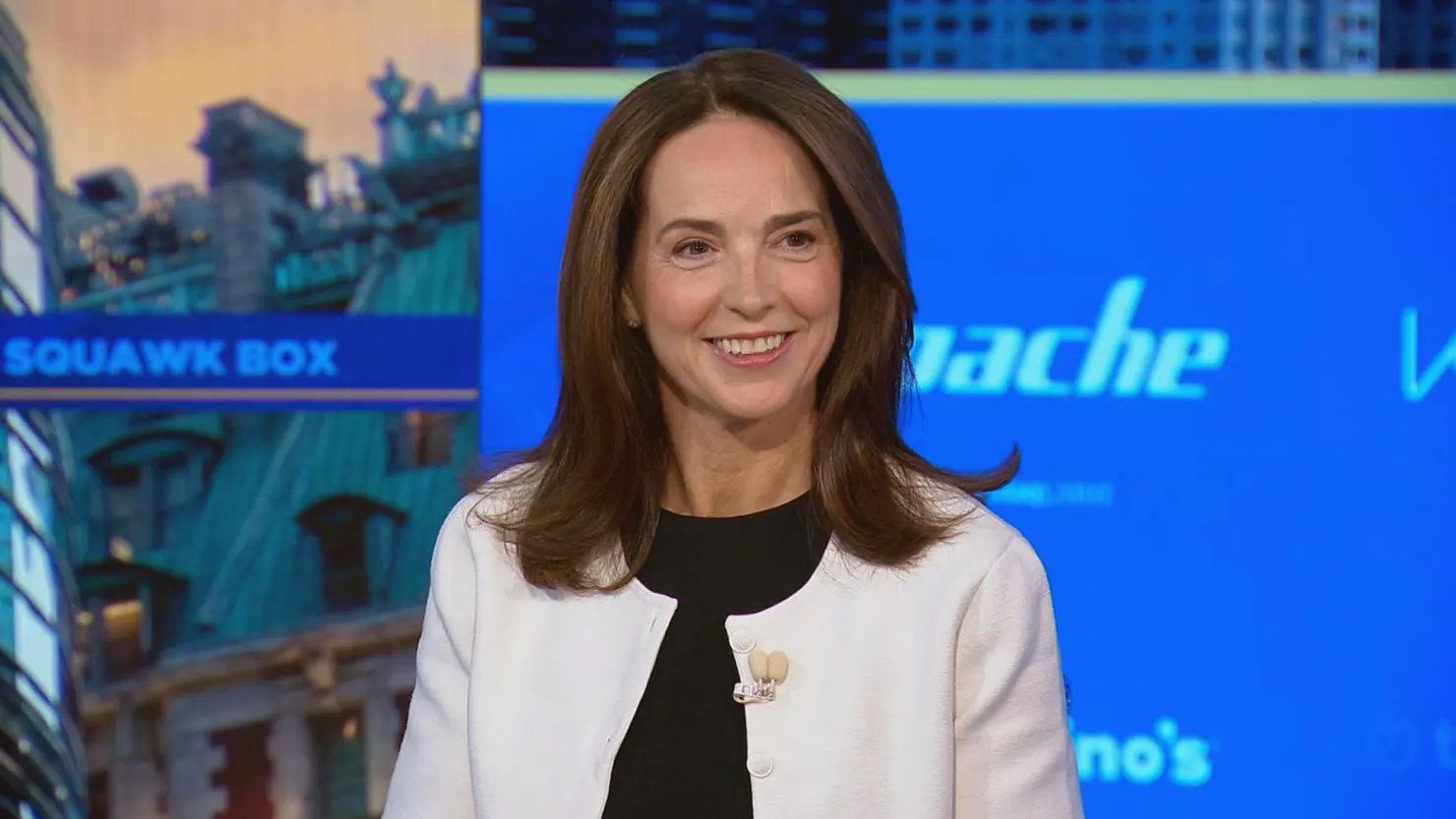
OpenAI aims for “practical adoption” of AI by 2026, emphasizing real-world applications in sectors like healthcare and research, as stated by CFO Sarah Friar. The company reports unprecedented growth tied to increased computing capacity. While partnerships, such as with Nvidia, promise support, uncertainties about contracts and investments remain.


Why Venezuelans Choose USDT Amid Crisis

As U.S. military involvement in Venezuela triggered fears of instability, many residents exchanged bolívares for USDT, a stablecoin. This trend reflects a broader reliance on digital currencies in politically volatile regions, offering financial security amid hyperinflation. However, volatility and capital flight risks complicate the situation, highlighting stablecoins’ dual nature as both refuge and risk.

AI’s Impact on Energy Markets: What Investors Should Know

Artificial intelligence is reshaping various sectors, notably energy markets and investment strategies. Companies like Bloom Energy have thrived due to AI’s high power demands, prompting new opportunities for small firms in specialized niches. The need for reliable energy is driving interest in nuclear solutions, while risks persist, emphasizing the need for diversified investment approaches.

China Holds Benchmark Rates Amid Economic Slowdown

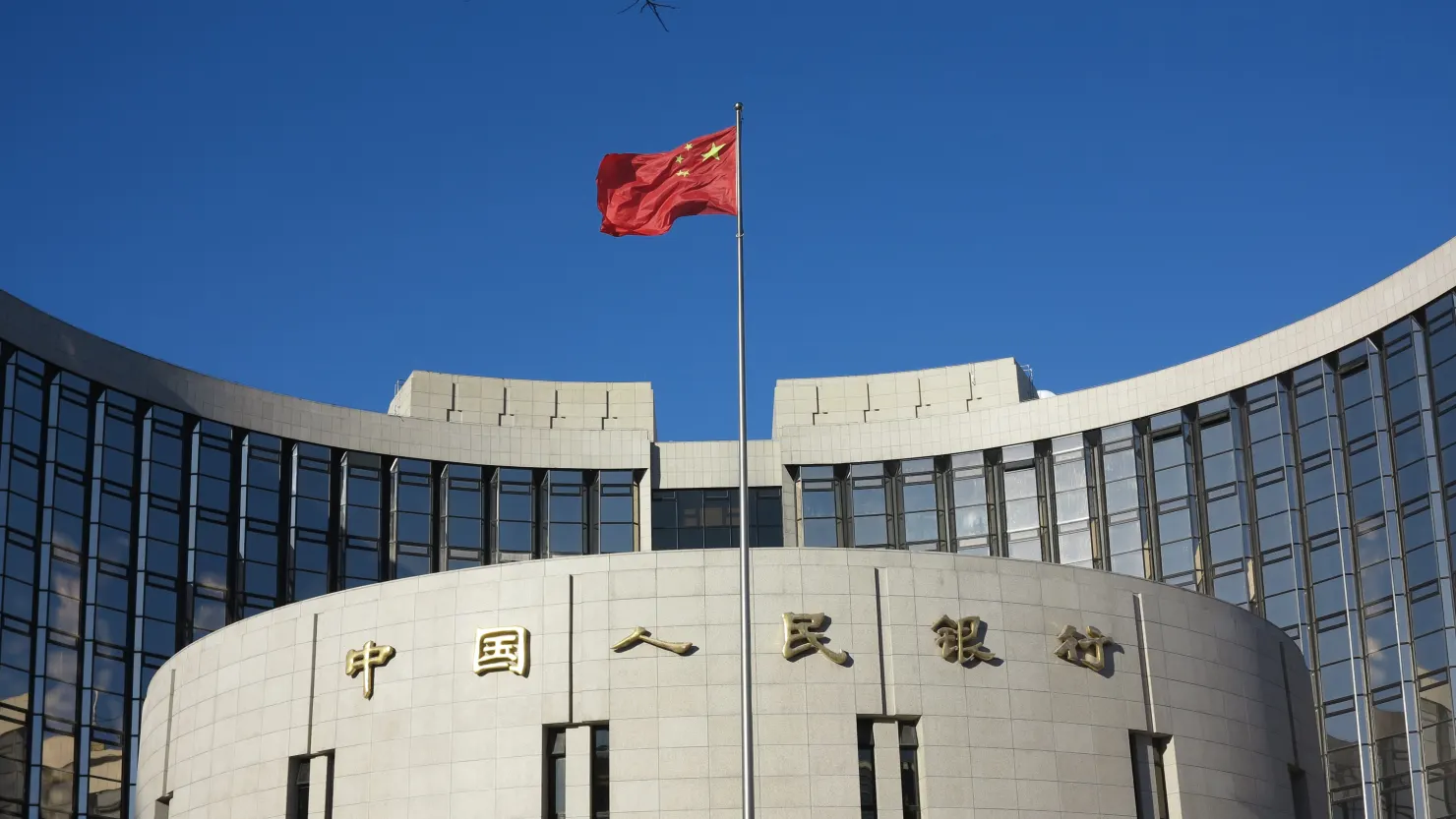
China’s central bank has kept its lending rates unchanged for eight months, focusing on targeted support for key economic sectors amid slowing growth. Despite a slight GDP uptick, consumer activity remains weak, prompting concerns over domestic demand. While targeted monetary policies are being implemented, broader easing options remain on the table.

Morgan Stanley Q4 2025 Earnings Beat Expectations

Morgan Stanley’s fourth-quarter results surpassed Wall Street expectations, with earnings per share at $2.68 and total revenue of $17.89 billion. Wealth management drove significant growth, generating $8.4 billion. Shares surged 6% post-announcement, and the firm returned $1.5 billion to shareholders, reflecting its strong market position and strategic investments.

California’s Billionaire Tax: Impacts and Legal Challenges

California’s proposed billionaire wealth tax, aiming for a 5 percent one-time tax on residents with over $1 billion in assets, is stirring significant debate. With a retroactive start date of January 1, 2026, it limits wealthy individuals’ options to relocate for tax avoidance. Legal challenges and mixed voter support complicate the measure’s future.

xAI’s Grok: New Rules for AI-Generated Content

Elon Musk’s xAI has discontinued its chatbot Grok’s ability to generate sexualized images of real individuals following global backlash and investigations into potential nonconsensual content creation. New safeguards apply to all users, while image features will now be limited to paid subscribers, reflecting rising concerns about AI ethics and accountability.