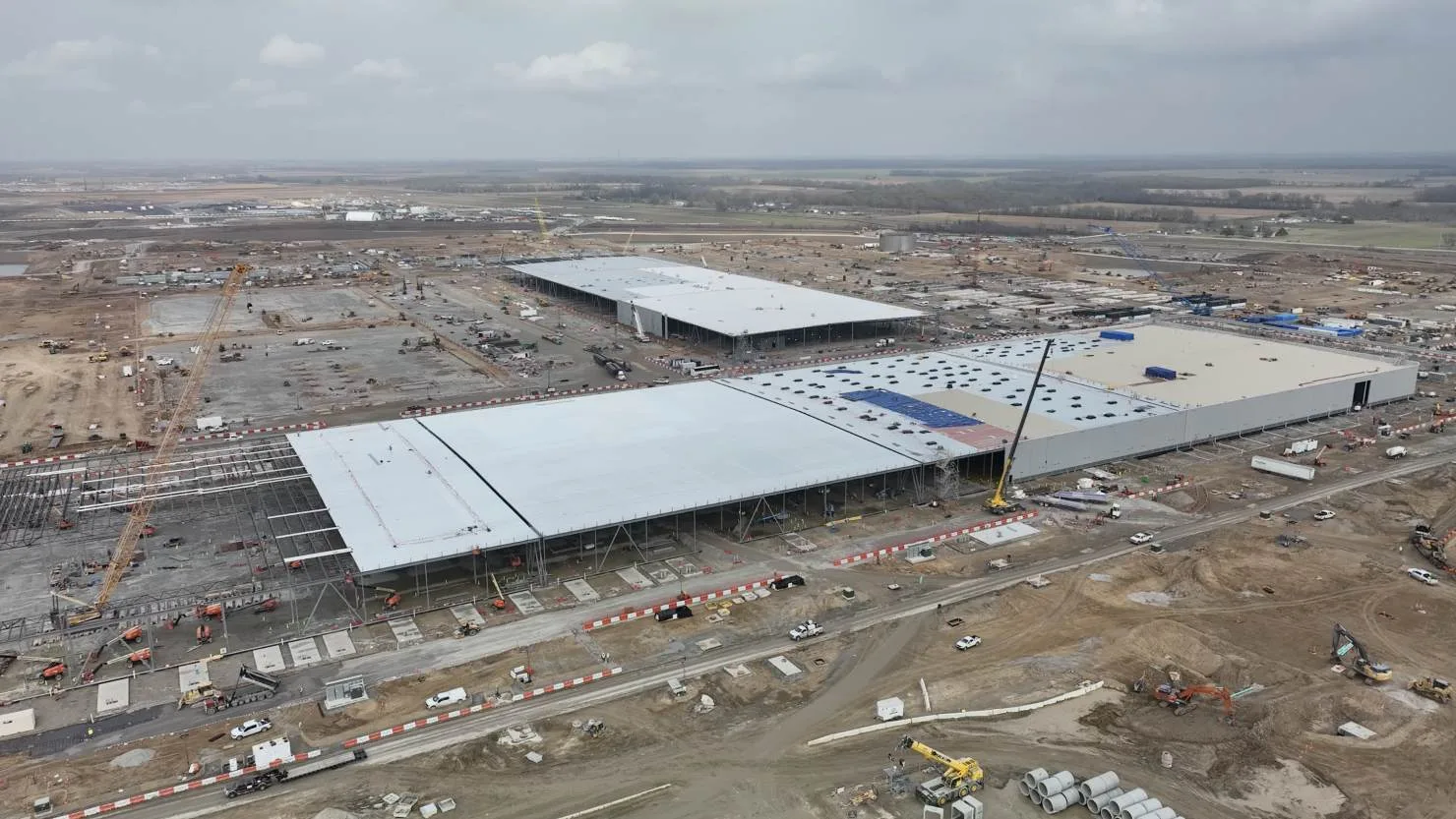
AI spending wasn’t the biggest engine of U.S. economic growth in 2025, despite popular assumptions

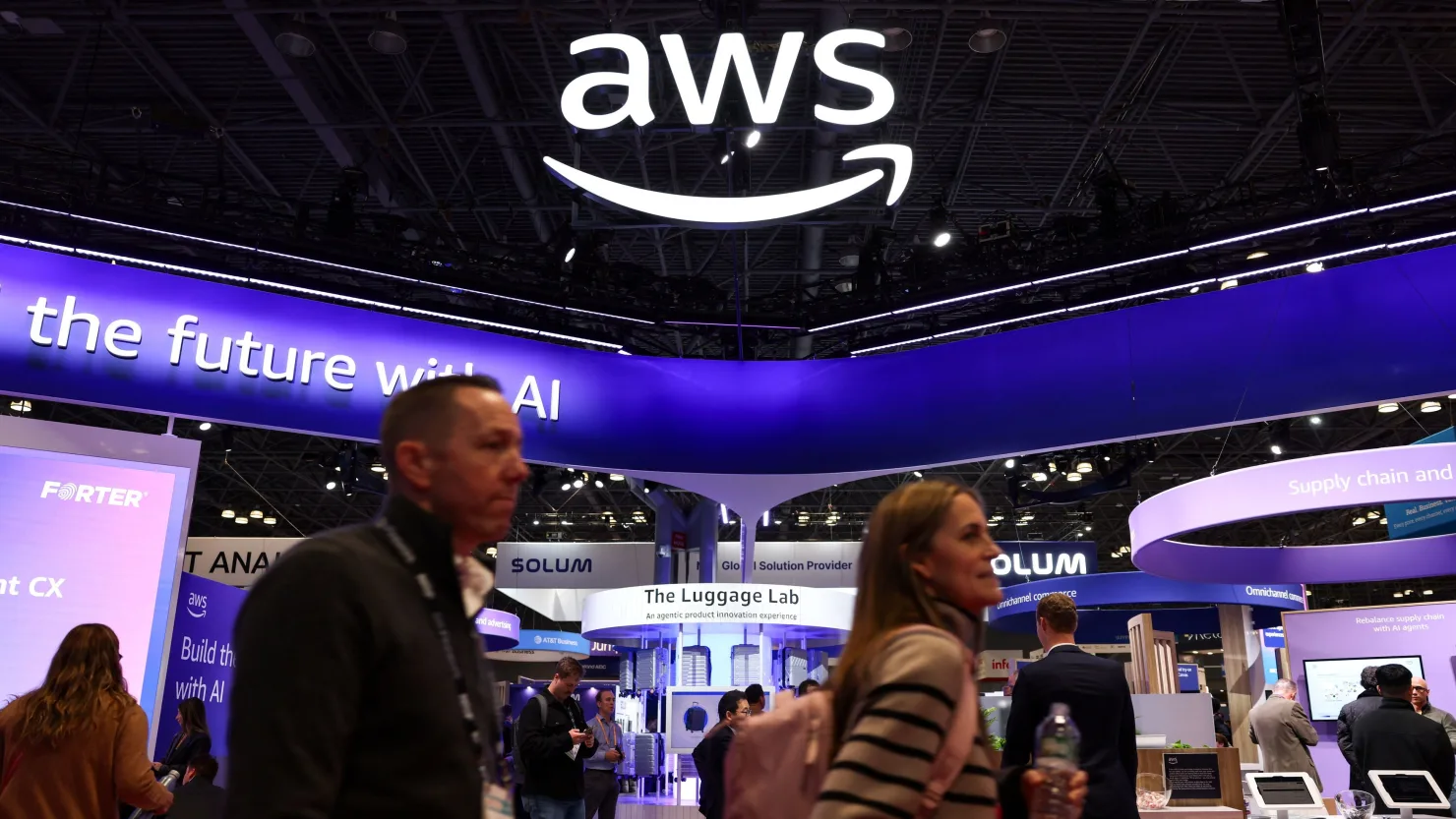
Recent research challenges the view that artificial intelligence (AI) is the main driver of U.S. economic growth. While AI contributed to GDP increases, consumer spending remains the primary engine. Adjustments for imports reveal AI’s impact on GDP is smaller than perceived, indicating that strong consumer activity will continue to support economic resilience.


Cramer’s Insights: Key Earnings and Fed Meeting Next Week

Jim Cramer warned investors of a critical week ahead for Wall Street, marked by significant earnings reports and a Federal Reserve policy meeting. He highlighted the strength of mega-cap tech stocks and major manufacturers like Boeing and General Motors, urging caution amid volatility. The week’s events could greatly impact market sentiment and investor decisions.

Buffett Siblings Prepare for Unprecedented Philanthropic Challenge

Peter Buffett and his siblings prepare to manage their father’s $150 billion fortune, which will be allocated to a charitable foundation after Warren Buffett’s death. They face the challenge of distributing at least $15 billion annually, requiring unanimous decisions. Their philanthropic approach emphasizes flexibility, risk-taking, firsthand experience, trust, and efficiency, aiming for significant global impact.

Trump’s Greenland Deal: Impacts on U.S. Tariffs and Markets

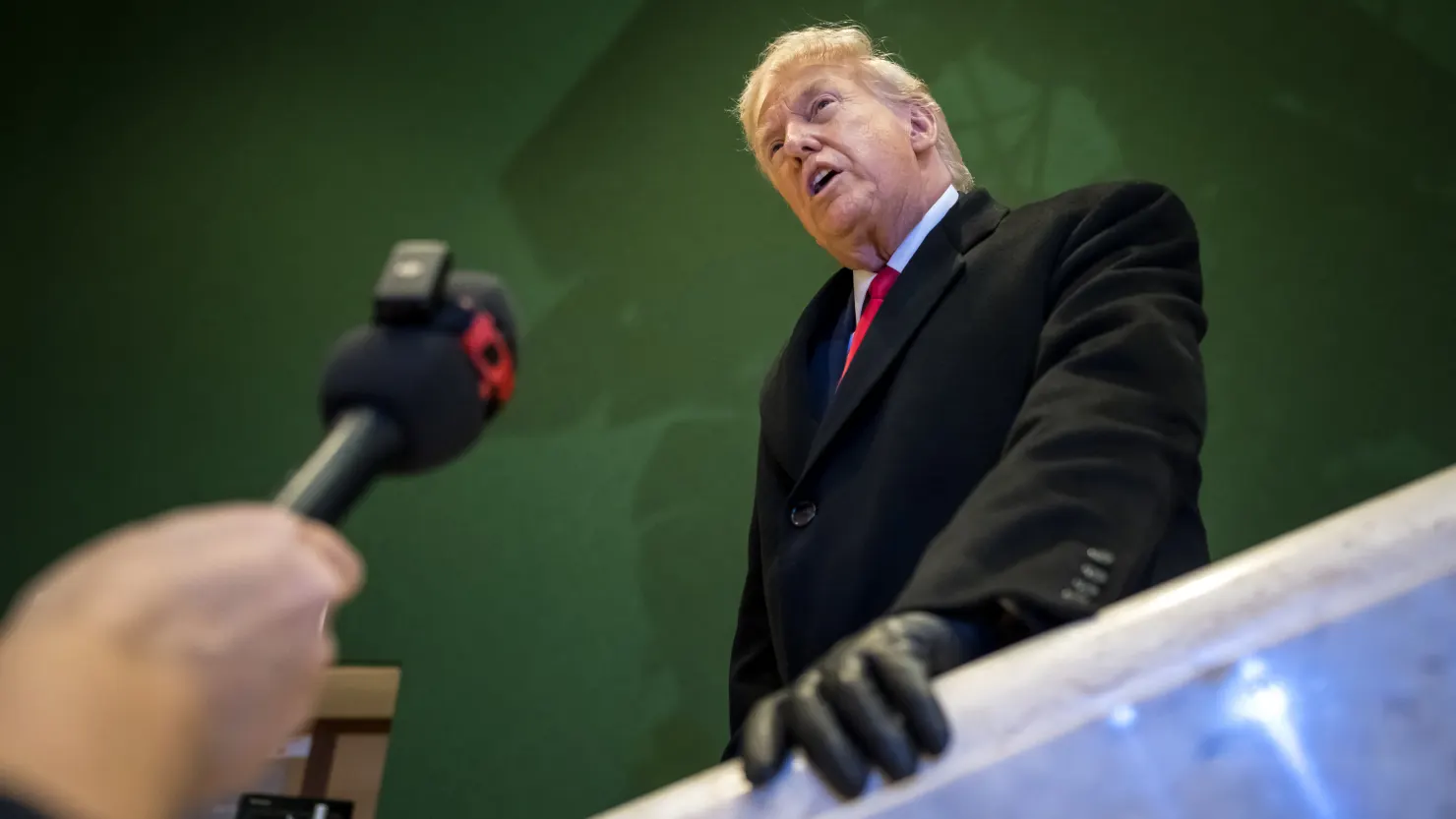
U.S. President Donald Trump announced a preliminary framework for cooperation with NATO Secretary General Mark Rutte regarding Greenland, leading to the suspension of planned tariffs on European nations. This news bolstered U.S. stock markets. Trump discussed various policy issues at the Davos conference, emphasizing dialogue over military approaches.

Jamie Dimon Questions Trump’s Immigration Policy at Davos

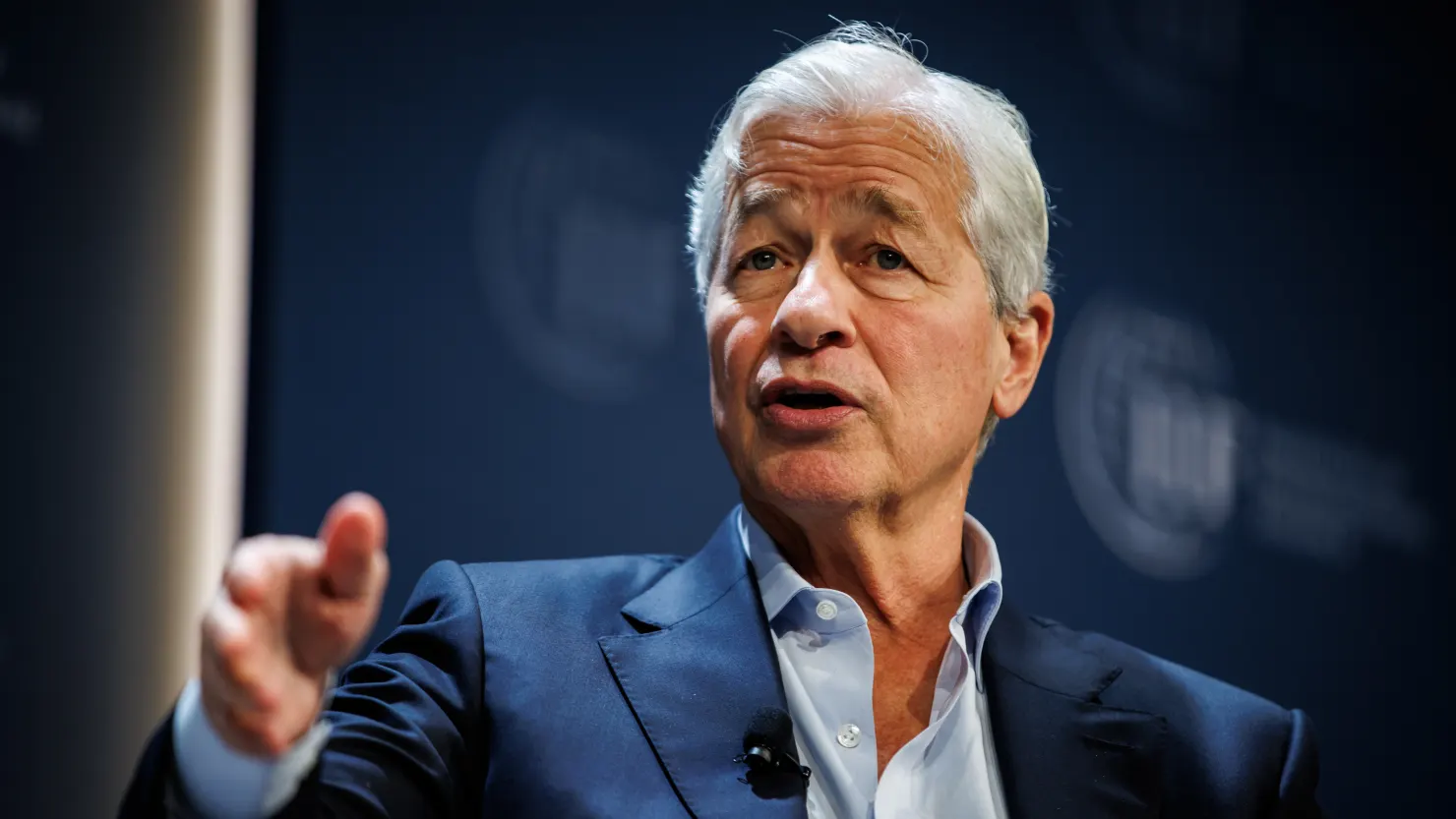
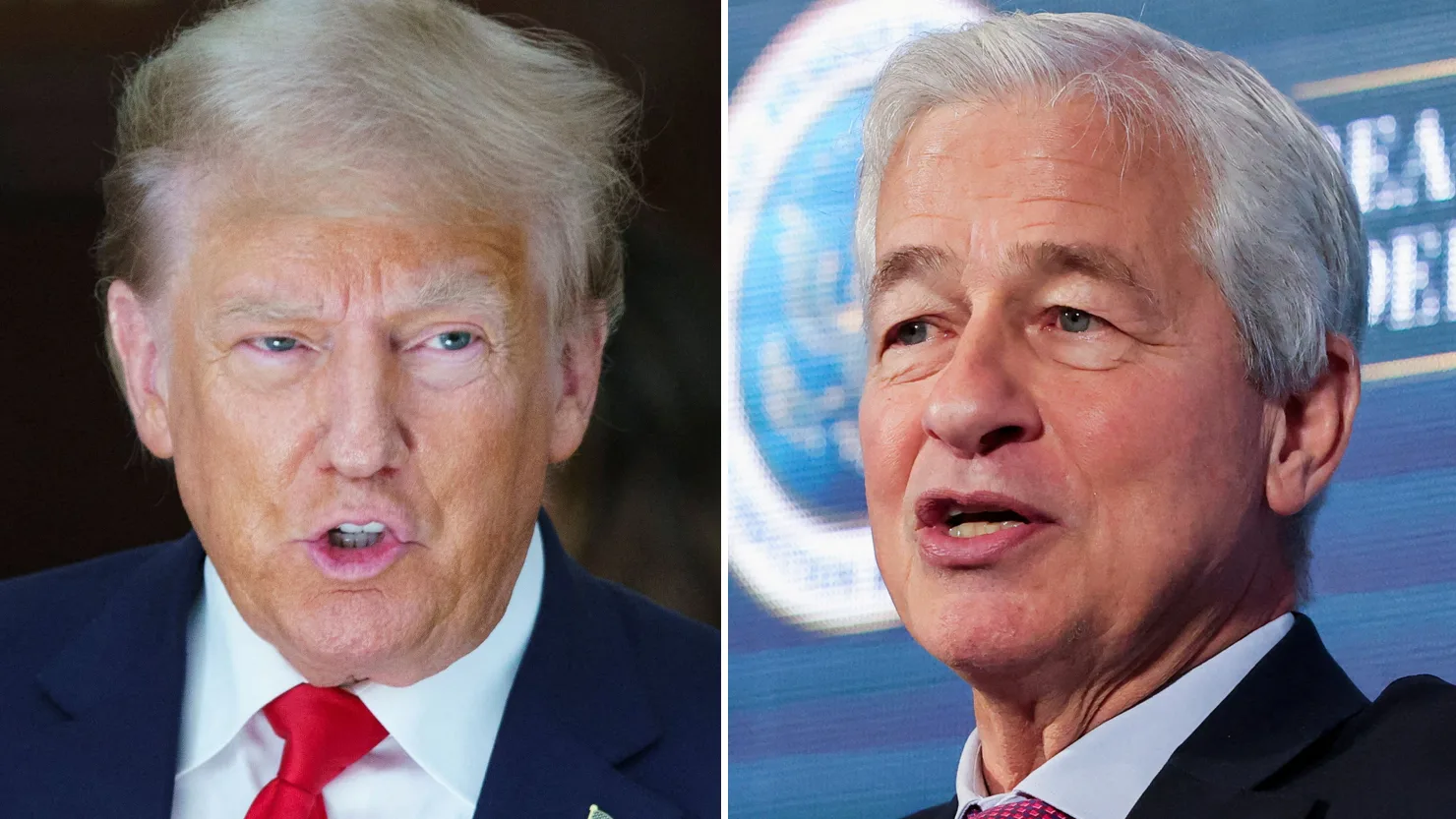
JPMorgan Chase CEO Jamie Dimon publicly criticized President Trump’s immigration enforcement during a panel at the World Economic Forum. While acknowledging improvements in border security, Dimon expressed discomfort with the enforcement’s approach, advocating for humane treatment of immigrants and urging reforms for citizenship and asylum access, emphasizing their economic contributions.

Unlocking Value: AI’s Impact on Energy and Investment Strategies

Artificial intelligence is reshaping various sectors, particularly energy and investment, as reliance on efficient power sources increases. Companies like Bloom Energy have seen significant growth due to AI demands. Investment strategies are shifting towards recognizing niche markets and managing risks in the face of potential volatility, emphasizing the need for careful portfolio diversification.

China’s Investment Slowdown: Impacts and Credit Risks

China’s investment slowdown is straining credit across sectors, particularly property and banking. Fixed-asset investment fell 3.8% in 2025, the first annual decline in decades, driven by a property slump and limited local government borrowing. Fitch Ratings downgraded China’s sovereign credit and expressed concerns over rising public debt and sluggish growth prospects.

Netflix’s Advertising Strategy Shows Promising Growth in 2025

Netflix’s recent earnings report highlights the positive impact of its advertising strategy, with ad revenue surpassing $1.5 billion in 2025 and expected to grow significantly. Despite some Wall Street concerns about slower growth than anticipated, Netflix reported a total revenue increase of nearly 16% and 325 million subscribers by year-end, signaling a strong business outlook.

Impact of Trump’s Housing Policy on Family Offices

President Trump’s proposed restrictions on large institutional investors purchasing single-family homes may unintentionally impact private investment vehicles of wealthy families. Legal experts warn that family offices could fall under new regulations not yet clearly defined. With many investing significantly in real estate, they face potential scrutiny as definitions evolve.