Unveiling the Hurun Rich List: What are the Key Factors for Making the List?

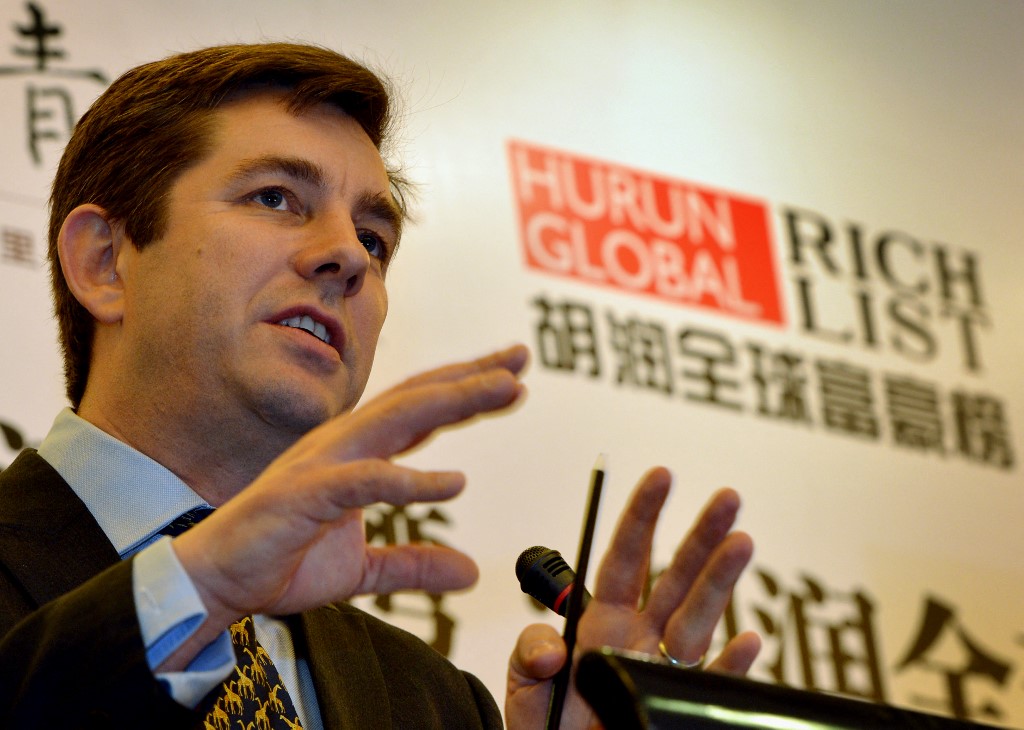
The Hurun Rich List ranks China’s wealthiest individuals and companies based on verifiable assets, corporate performance, and social influence. Inclusion criteria emphasize wealth scale, business achievements, and innovation. The list adapts to trends, focusing on technological advancements and global perspectives, enabling entrepreneurs to understand key indicators for recognition.


Exploring the Forbes List’s Wealth and Influence Criteria

The Forbes list ranks wealth and influence, attracting entrepreneurs and investors. Selection criteria include wealth size, corporate influence, innovation, and social responsibility. Recent trends show younger entrepreneurs in tech and sustainability sectors gaining attention, reflecting a shift towards valuing social contributions alongside financial success. Transparency in data is vital for inclusion.

2025 Billionaires Report: Insights and Trends

In 2025, global billionaire numbers surged to over 2,900, driven by corporate dealmaking and inherited wealth, marking a record $15.8 trillion in collective assets. The U.S. leads in billionaire creation, but inheritance is increasingly influential. Investment strategies are diversifying, with a shift toward Europe and China, while billionaire mobility influences wealth patterns.

Asset-Backed Finance: Risks and Rewards Explained

The bankruptcy of First Brands Group has highlighted risks in asset-backed finance (ABF), which is rapidly expanding in the alternative investment sector. While ABF offers attractive yields and diversification, concerns arise over underwriting standards and due diligence, as seen in First Brands’ case. The industry demands stringent oversight to mitigate rising risks.

Impact of New Tax Laws on Charitable Giving

New federal tax policies may alter charitable giving in the U.S., potentially decreasing total donations by $4.1 billion to $6.1 billion, especially from wealthy donors, despite new incentives for lower-income households. As the donor base narrows, whether increased participation can offset this decline remains uncertain, challenging the future of philanthropy.

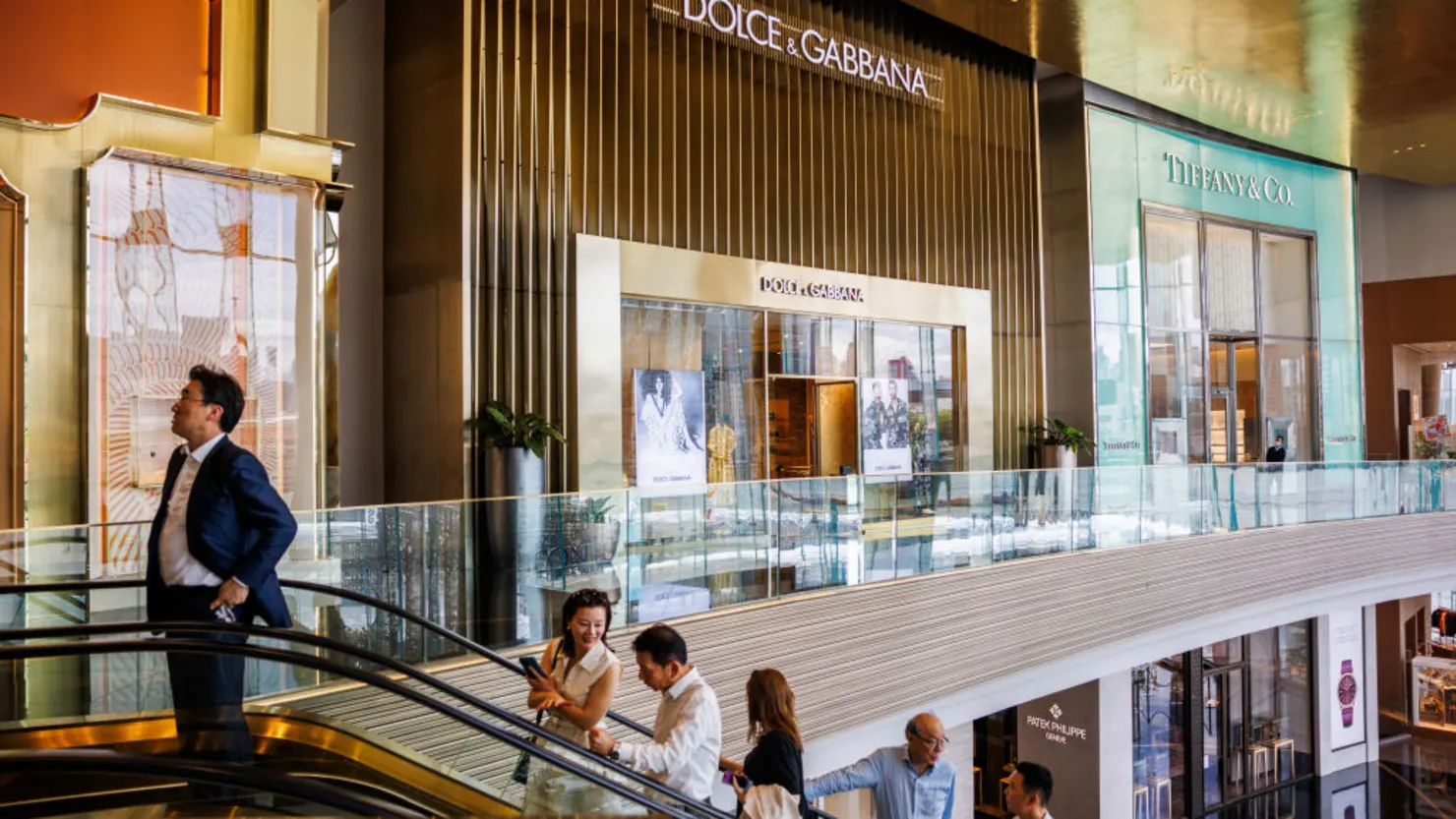
Personal luxury goods market to shrink for first time since the 2008 financial crash, research finds

The global personal luxury goods market is facing its toughest year since the Global Financial Crisis, with demand slowing, particularly in China. Factors include macroeconomic stress and shifting consumer behavior. While total luxury spending may remain stable, brands must innovate and adapt to engage younger consumers and navigate changing preferences for improved resilience.

Byron Trott: Guiding Wealthy Families to Financial Success

Byron Trott, a prominent figure in private wealth management, has guided many influential family-run businesses through growth and financial stability. His firm, BDT & MSD Partners, focuses on long-term investments and family dynamics. Trott emphasizes the importance of values and relationships, adapting strategies to support generational wealth and purpose-driven goals.

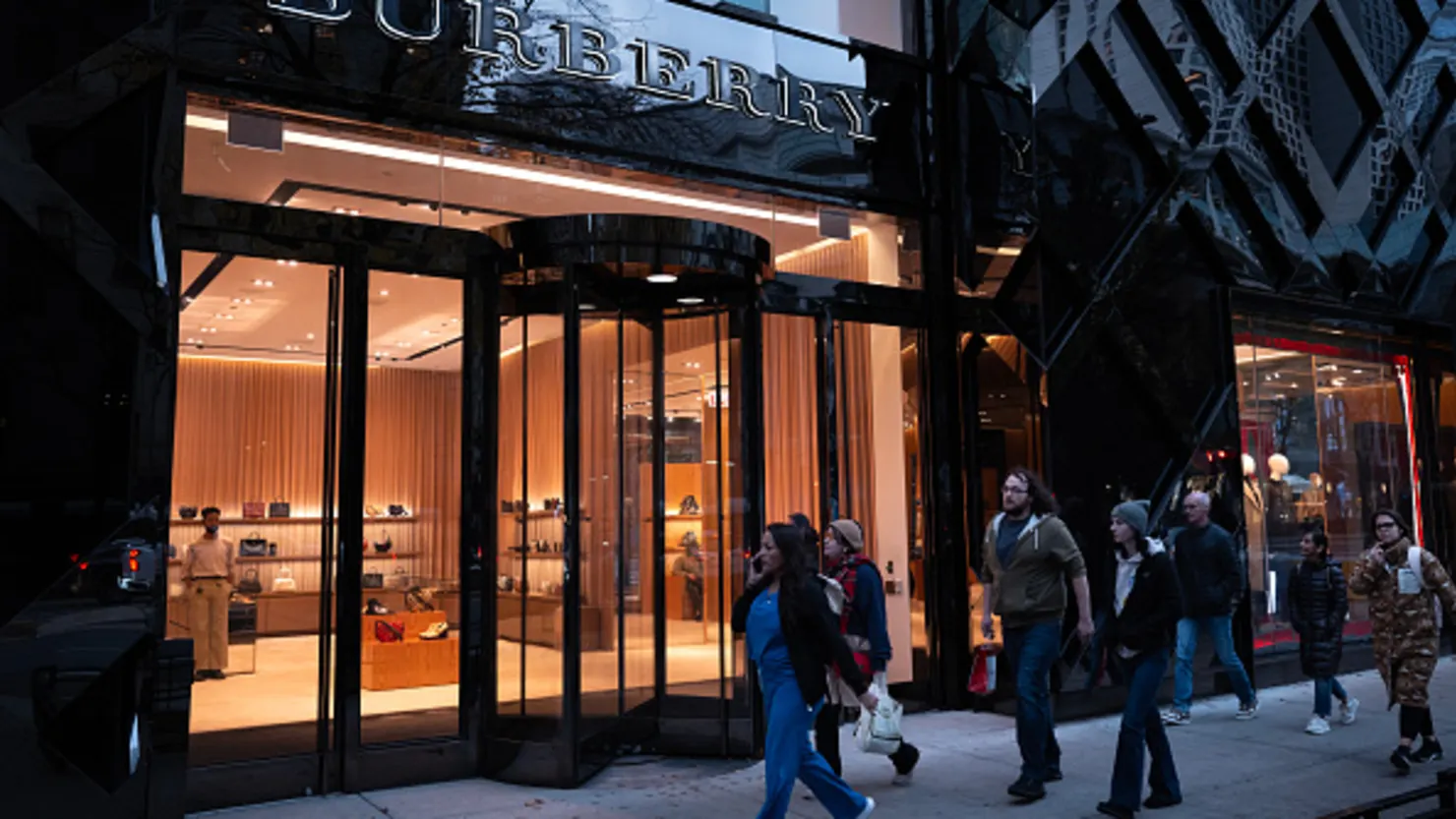
Burberry’s Bold Strategy Shift: A Return to Heritage

Burberry is launching a major transformation called “Burberry Forward” to rekindle its global appeal and combat declining sales. Focused on heritage, iconic outerwear, and accessories, the strategy aims to restore authenticity and strengthen brand identity. New CEO Joshua Schulman emphasizes urgent change to position Burberry for sustainable growth amid industry challenges.

Prada’s Strategic Dual Listing: Future Insights

Prada is contemplating a dual-listing strategy while emphasizing a cautious approach regarding timing, pending market conditions. Despite industry shifts, the company has achieved steady growth for 19 consecutive quarters, supported by strong demand, particularly in the U.S. Prada’s acquisition of Versace and leadership transitions reflect its ambition for long-term development in the luxury sector.

Why Millionaires Prefer Wellness Over Wealth Managers

A report from Long Angle reveals a shift among millionaires prioritizing personal well-being over financial advice. Many express dissatisfaction with wealth managers, citing high fees and poor service. In contrast, satisfaction with personal trainers and therapists is high. Wealthy individuals now value individualized, compassionate services that enhance their quality of life.