Treasury Secretary Bessent says U.S. GDP could take a hit from the government shutdown

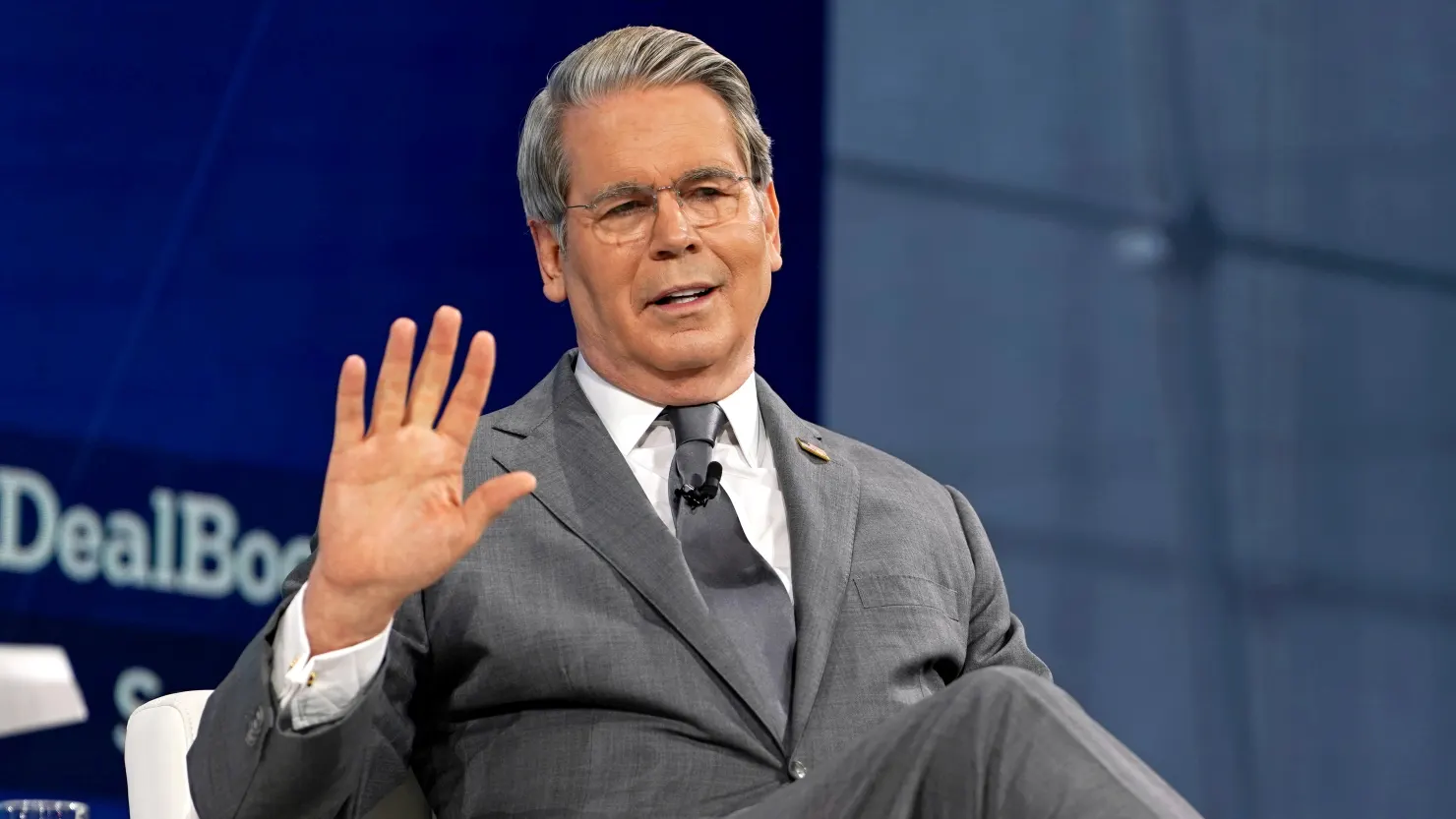
U.S. Treasury Secretary Scott Bessent warned that the ongoing government shutdown risks harming economic growth and workers’ livelihoods. With signs of recovery fading, he highlighted potential drops in GDP and rising challenges for the labor market. Bessent also noted future support for farmers and the ongoing search for a new Federal Reserve Chair.

Treasury Secretary Bessent says U.S. GDP could take a hit from the government shutdown

U.S. Treasury Secretary Scott Bessent warned that the ongoing government shutdown threatens economic growth, possibly reversing gains from recent quarters. While the economy had shown positive momentum, a prolonged shutdown could have severe impacts, especially on the labor market. Bessent affirmed that maintaining stability is crucial amidst political challenges.

Report shows hiring at lowest since 2009 as economists turn to alternative data during shutdown blackout

In September, the U.S. labor market remained stable, with the unemployment rate at 4.34%. Hiring slowed significantly, with only 204,939 new hires announced, a 58% drop from 2024, marking the weakest pace since 2009. Layoff announcements fell by 37%, yet total job cut plans in 2025 are at a concerning high.

For first-time job hunters, a college degree isn’t unlocking the opportunities it once did, data shows

Recent graduates, like Christina Salvadore, are struggling to find jobs despite degrees and internships, facing the highest unemployment rates for their age group in years. The job market is increasingly unwelcoming, with more graduates than available roles. This situation is exacerbated by economic challenges and evolving job landscapes, leaving many feeling discouraged and anxious.

The shutdown meant no jobs report. Here’s what it would have said about the economy

In September, the U.S. labor market showed signs of sluggishness, reflected in alternative indicators due to a government shutdown halting official BLS data. Job growth appears soft, with the unemployment rate holding at 4.3%. The disparity between thriving health care jobs and weaker tech prospects highlights sectoral imbalances. Consumer spending remains steady, indicating resilience.

Mongolia to join data center frenzy with Chinggis Khaan sovereign wealth fund

Mongolia is shifting from a mining-dependent economy to one focused on renewable energy and digital innovation. The Chinggis Khaan Sovereign Wealth Fund aims to invest mining profits into sustainable projects and social development. As it builds data centers powered by clean energy, Mongolia aspires to empower its citizens and promote transparent governance.

CPI inflation report will be released by Labor Department, while other data is delayed by shutdown

The Labor Department will resume work on September’s consumer price index report despite the federal government shutdown. The report, essential for Social Security cost-of-living adjustments, will be released on October 24, after being delayed. Other Bureau of Labor Statistics data releases remain affected by the ongoing funding lapse.

Missing this pay date may be too much for Trump and Congress to prolong shutdown

The ongoing U.S. government shutdown may pivot on military pay, impacting over 1.3 million active-duty service members. Economists suggest the October 15 military payday could compel Congress to act, but skepticism remains about reaching an agreement. Without resolution, public outrage and economic fallout could intensify, affecting essential services and consumer confidence.

The shutdown meant no jobs report. Carlyle’s analysis shows it would have been pretty bad

The ongoing U.S. government shutdown has stymied official economic reporting, prompting private data sources to highlight stagnating job growth, with Carlyle Group reporting just 17,000 new jobs in September. Despite this, GDP grew at an annualized rate of 2.7%. Uncertainty persists in hiring plans, reflecting a cooling labor market amid economic challenges.