America’s Young Graduates Face a Cold Start: The College Degree No Longer Guarantees a Career

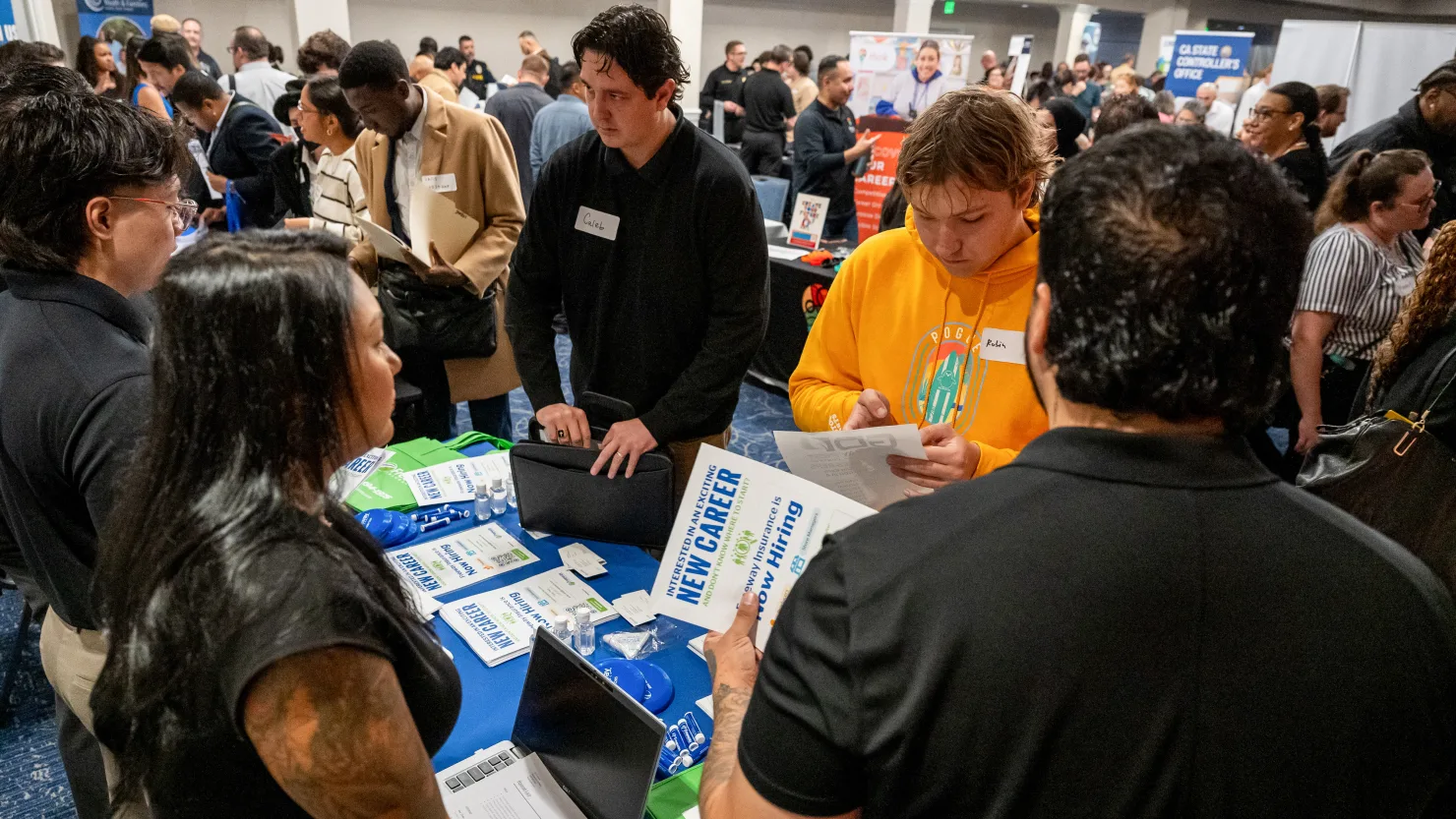
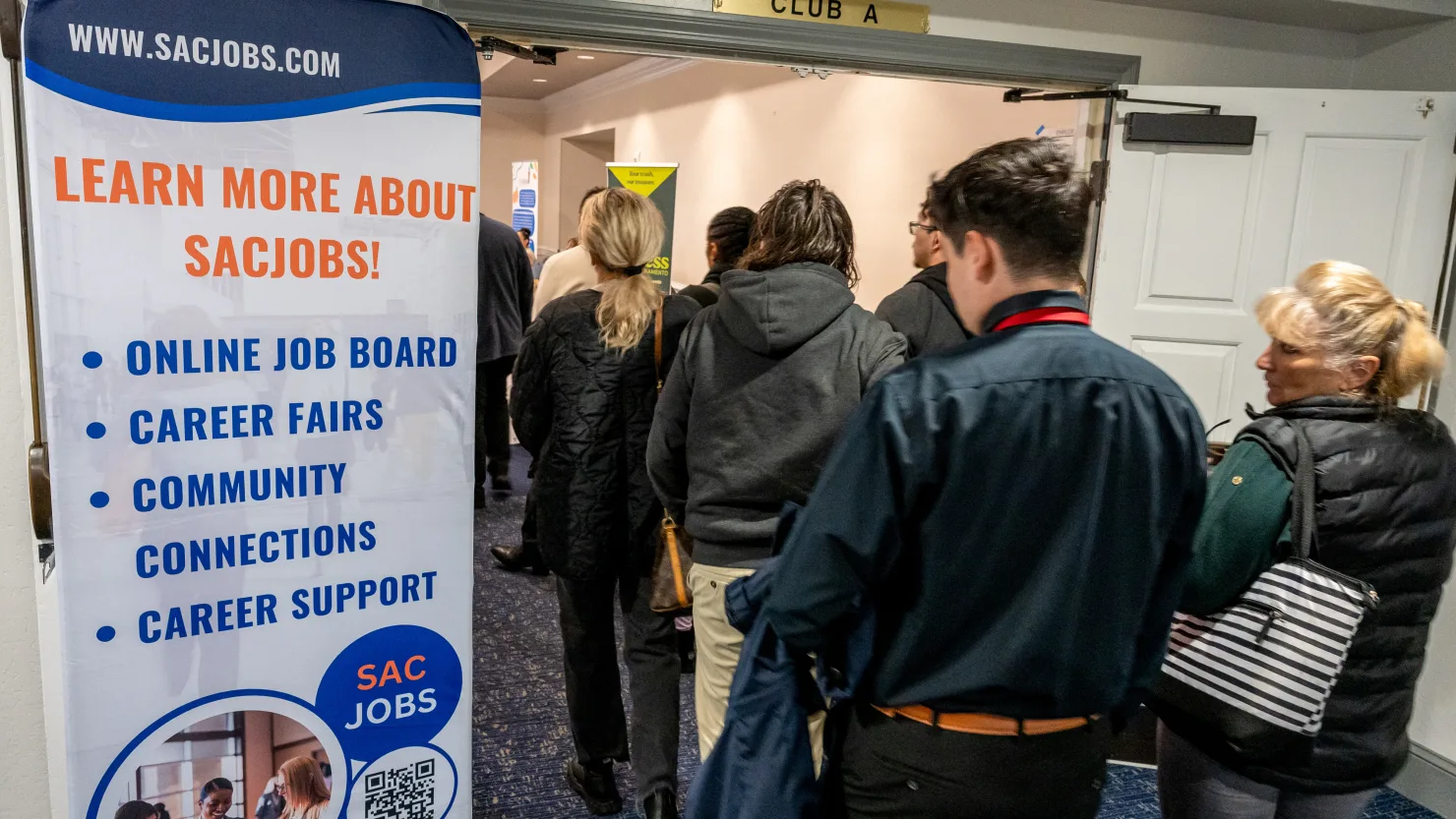
The promise of higher education in the U.S. is declining for recent graduates, as job prospects weaken despite their degrees. Unemployment rates among young degree-holders are rising, exacerbated by automation and a low-hiring economy. The mismatch between degree attainment and job availability threatens future college enrollment and economic stability.

Mongolia Enters the Global Data Center Race with the Chinggis Khaan Sovereign Wealth Fund

Mongolia is transitioning from a mineral-dependent economy to a digital powerhouse through the Chinggis Khaan Sovereign Wealth Fund, aiming to finance renewable data centers and infrastructure. This $1.4 billion fund promotes social welfare and aims to establish Mongolia as a clean-energy hub, while also addressing public trust issues following mining controversies.

The Paycheck Countdown: October 15 May Mark the Breaking Point in Trump’s Budget Standoff with Congress

The upcoming October 15 military payday could force U.S. lawmakers to compromise in the ongoing government shutdown. With rising public pressure, missed payments may trigger a political crisis, impacting various sectors. Analysts suggest a short-term budget resolution is likely, but prolonged deadlock risks significant economic fallout and challenges to government credibility.

Shutdown Silences the Jobs Report — But Alternative Data Suggests a Flat U.S. Labor Market

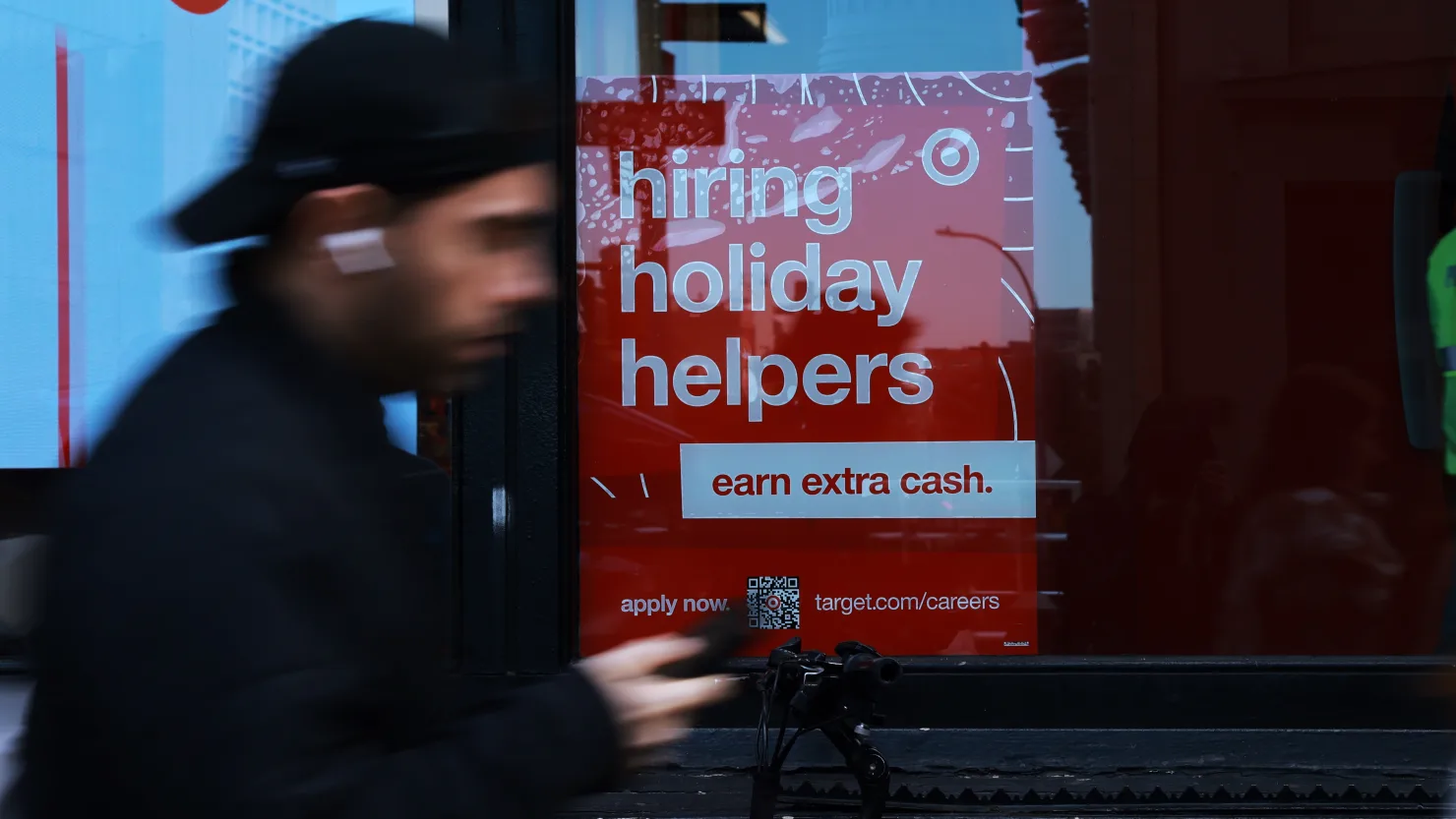
The U.S. labor market remains stable despite the shutdown preventing the release of the Nonfarm Payrolls Report. While employment growth is weak, private indicators suggest robust sectors like health care, contrasting with declines in technology roles. Overall, alternative data indicates a gradual slowdown, but no imminent crisis.

The Jobs Report That Wasn’t Leaves Economists Guessing

The Bureau of Labor Statistics withheld vital employment data due to the federal government shutdown, leaving economic observers uncertain. This lack of information raises concerns about future job growth and investment decisions. Economists predict muted employment growth, citing private sector indicators pointing to labor market weakness, exacerbated by immigration restrictions and declining demand.

Hiring Falls to Lowest Level Since 2009 as Economists Turn to Private Data During Federal Shutdown

As the U.S. government shutdown persists, private sector data reveals a weakening labor market, with hiring and layoffs slowing sharply. Job cuts have surged in 2025, while new hiring intentions plummet to 2009 levels. Economists face uncertainty without official data, raising concerns about consumer confidence and economic resilience going forward.