India to cut Russian oil purchases, U.S. to slash tariffs as they near trade deal: Indian media report

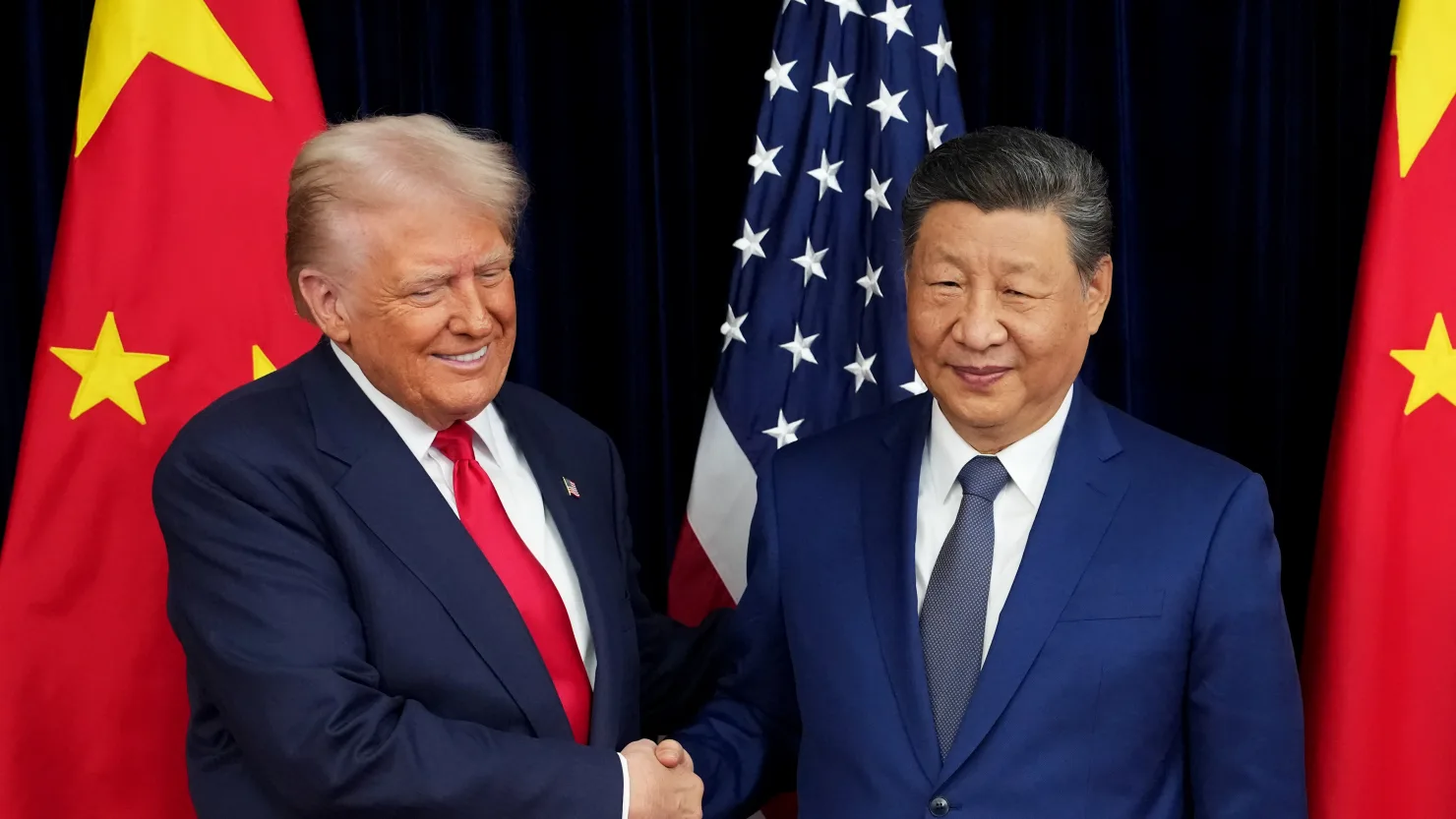
The U.S. is nearing a significant trade agreement with India aimed at reducing tariffs on Indian exports and addressing energy trade tensions, particularly regarding Russian oil imports. Discussions include expanding India’s corn import quotas from the U.S. and a review mechanism for tariffs. Achieving this deal hinges on aligning divergent interests amid geopolitical complexities.

Rare earths make gains amid battle to beat China’s dominance

Shares of U.S. rare earth supply chain companies surged as investors responded to China’s tightened export regulations. Governments, especially the U.S. and Australia, are strengthening cooperation to secure alternative supply routes. The shift has invigorated investments in domestic production, reflecting urgency amidst geopolitical tensions and the strategic importance of these resources.

U.S. budget deficit edged lower in 2025 as tariffs, debt payments both saw new records

In 2025, the U.S. federal budget deficit declined modestly to $1.78 trillion, aided by a surge in tariff revenue, which reached $202 billion, countering rising national debt interest payments. Despite this improvement, challenges remain with high debt servicing costs and the need for sustainable fiscal strategies to ensure long-term economic stability.

There’s a shocking disparity between how high-income and low-income earners feel about the economy

Americans are experiencing a widening economic divide, heavily influenced by income levels. Higher earners express optimism about the economy, while lower-income households struggle with rising costs and stagnant wages. This “K-shaped” recovery highlights stark differences in consumer confidence, spending habits, and financial well-being, raising concerns as the election approaches.

The resilient stock market may be keeping the economy out of a recession. Why that’s a bad thing

The U.S. economy is surprisingly resilient, buoyed by a strong stock market and rising consumer confidence. However, growth is heavily reliant on high-income households benefiting from stock gains. While consumer spending remains strong, there are concerns about the economy’s vulnerability if market conditions change, impacting overall stability and confidence.

The UK’s finance minister keeps public guessing over tax hikes

U.K. Chancellor Rachel Reeves outlined a new “Youth Guarantee” initiative to combat unemployment at the Labour Party conference, amidst looming fiscal challenges. Despite promoting youth employment, concerns persist over potential tax increases to address a £50 billion shortfall. Reeves faces pressure balancing economic commitments and public expectations ahead of the Autumn Budget.

Labor Dept. won’t release Friday’s key jobs report, other data if government shuts down

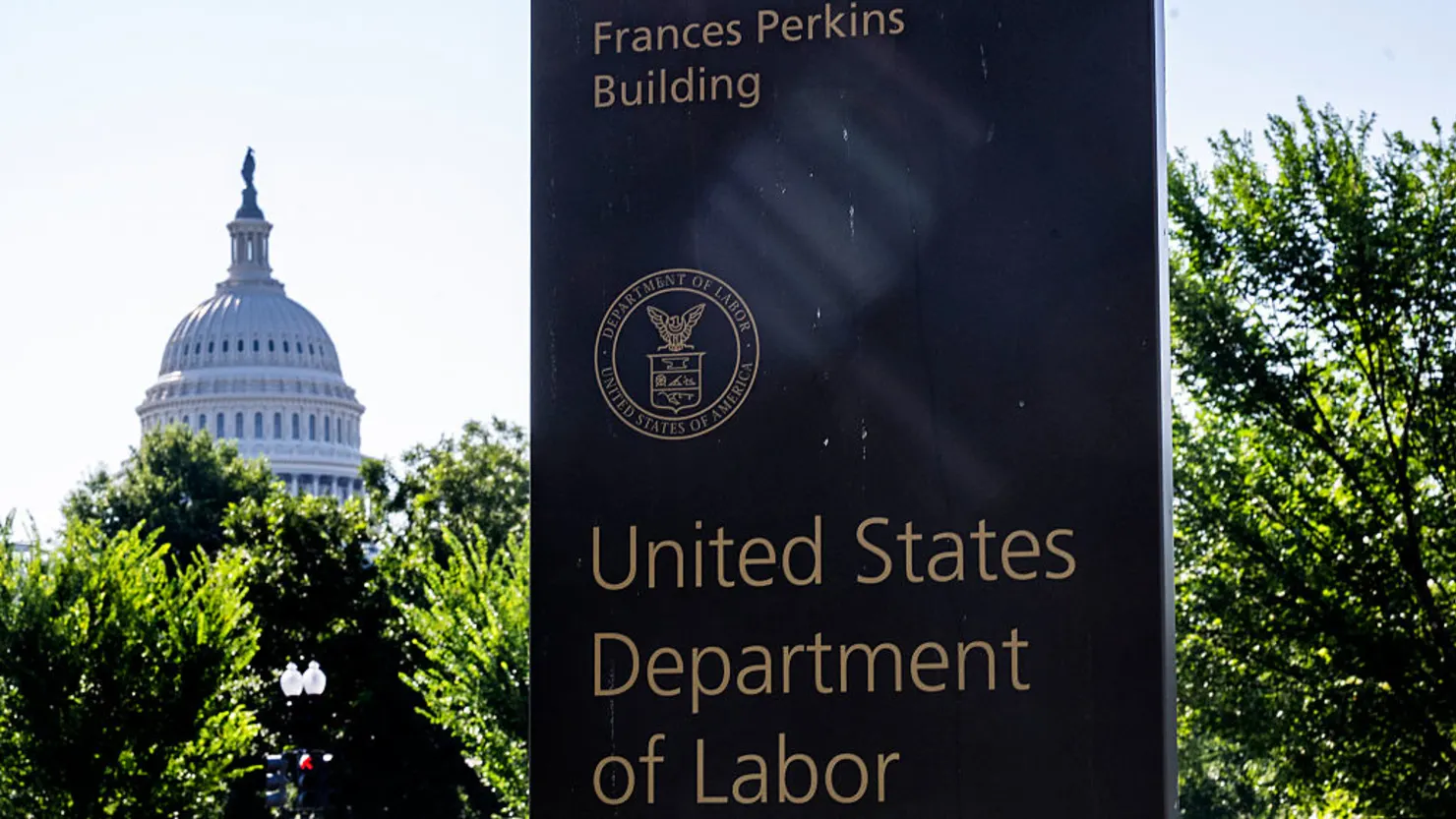
The U.S. Department of Labor is preparing for a potential government shutdown that would halt crucial economic data releases, impacting investors and policymakers. The Bureau of Labor Statistics would suspend operations, delaying significant reports like employment figures and inflation data. This uncertainty threatens financial markets, especially ahead of the Federal Reserve’s upcoming meetings.

Government shutdowns usually have little economic impact. This time could be different

Government shutdowns usually cause limited economic impact, but this time, potential permanent layoffs of federal employees could lead to significant consequences. Historically minimal disruptions might be exacerbated by a strained labor market. The shutdown could also delay crucial data, impacting monetary policy and household financial stability more severely than previous instances.