January Jobs Report Delay: What You Need to Know

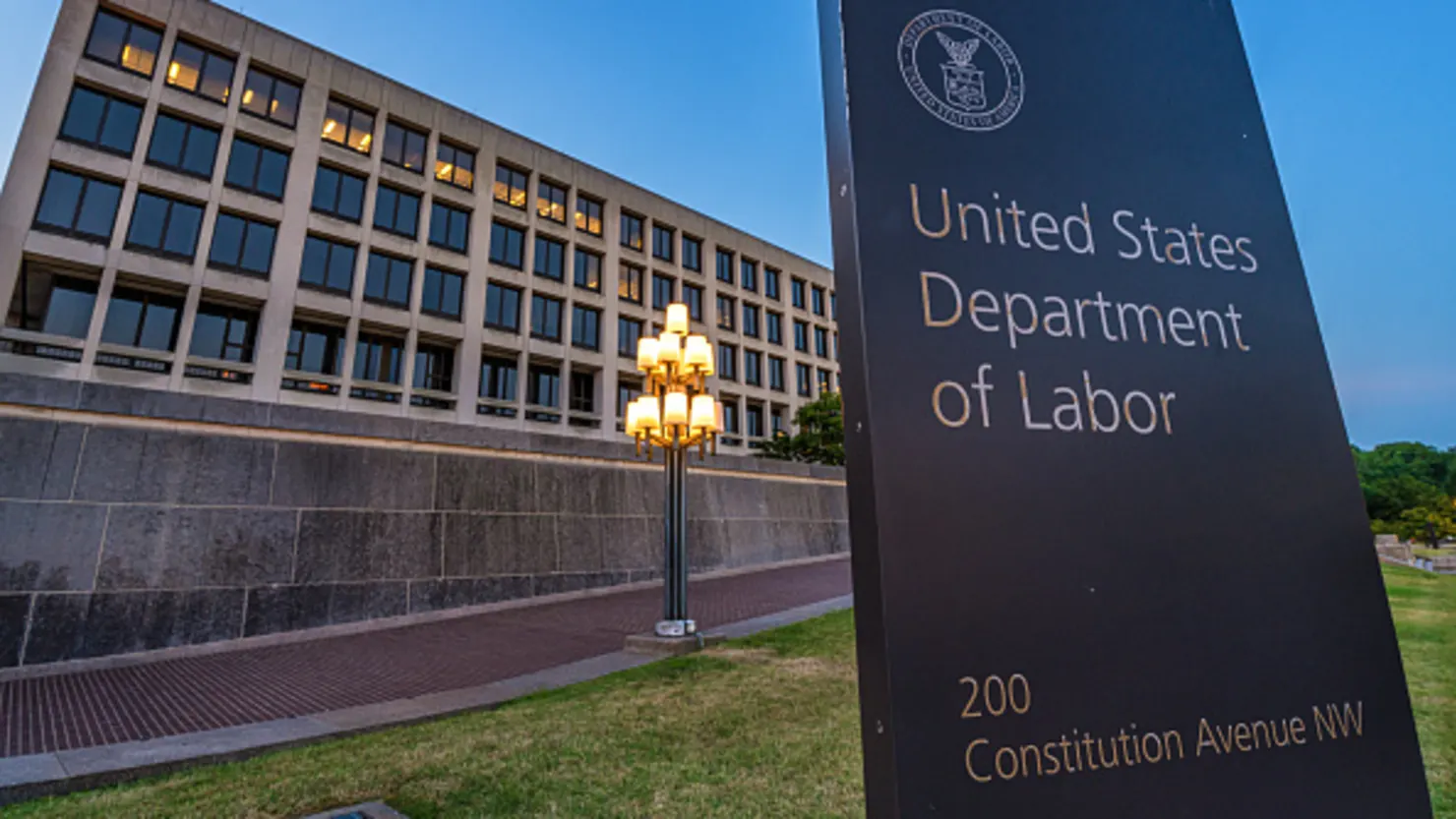
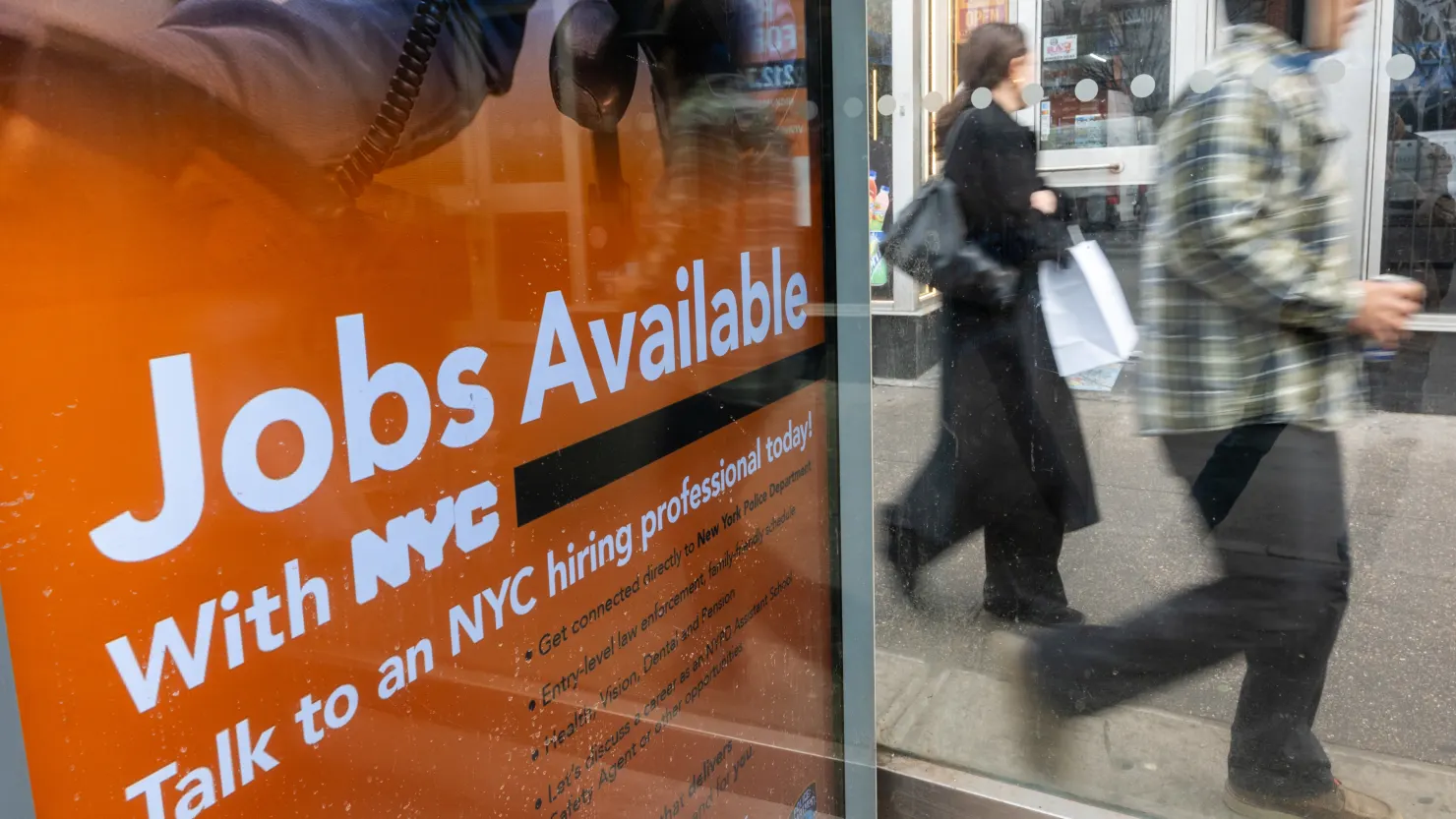
The U.S. Bureau of Labor Statistics has rescheduled the January employment report to February 11, following a government shutdown. The Job Openings and Labor Turnover Survey will now be released on February 9. Other economic indicators, including the consumer price index, are also delayed. Economists expect a rise in nonfarm payrolls by 60,000 jobs.


E.l.f. Beauty Beats Expectations: Q3 Performance Overview

E.l.f. Beauty exceeded third-quarter expectations, reporting adjusted earnings of $1.24 per share and revenues of $490 million, leading to a 15% surge in shares. The acquisition of Rhode significantly boosted sales, prompting an increase in the full-year revenue forecast by $42-50 million, reflecting strong international growth and market share gains.

Family Offices Tackle Inflation: Shifting Investment Strategies

Family offices are adjusting investment strategies in response to anticipated higher inflation and interest rates. A survey revealed that 64% view interest rates as a significant risk, while 61% cite inflation. Many are shifting toward real estate and alternative investments, with increased interest in AI. Most remain cautious about gold and hold substantial cash reserves.

US-India Trade Deal: Impacts on Global Economy

The U.S. and India have formed a new trade agreement, reducing tariffs on Indian goods and promoting American purchases. Despite improved relations, Disney faces overseas attendance issues. U.S. stock markets rose, while cryptocurrency struggles continue. Consumer sentiment diverges globally, with contrasting concerns about inflation in the U.S. and deflation in China.

Why Singapore Is a Strategic Investment Hub for Global Investors

Anton Ruddenklau, KPMG’s financial services head in Singapore, notes the city-state’s smooth business operations and strong nation-building mindset that supports economic growth. Despite its small market size, Singapore attracts investment due to its strategic location and stability. Analysts highlight its appeal as a safe haven with evolving opportunities, especially in fintech and equities.

Kevin Warsh’s Fed Nomination: A Shift in Monetary Policy

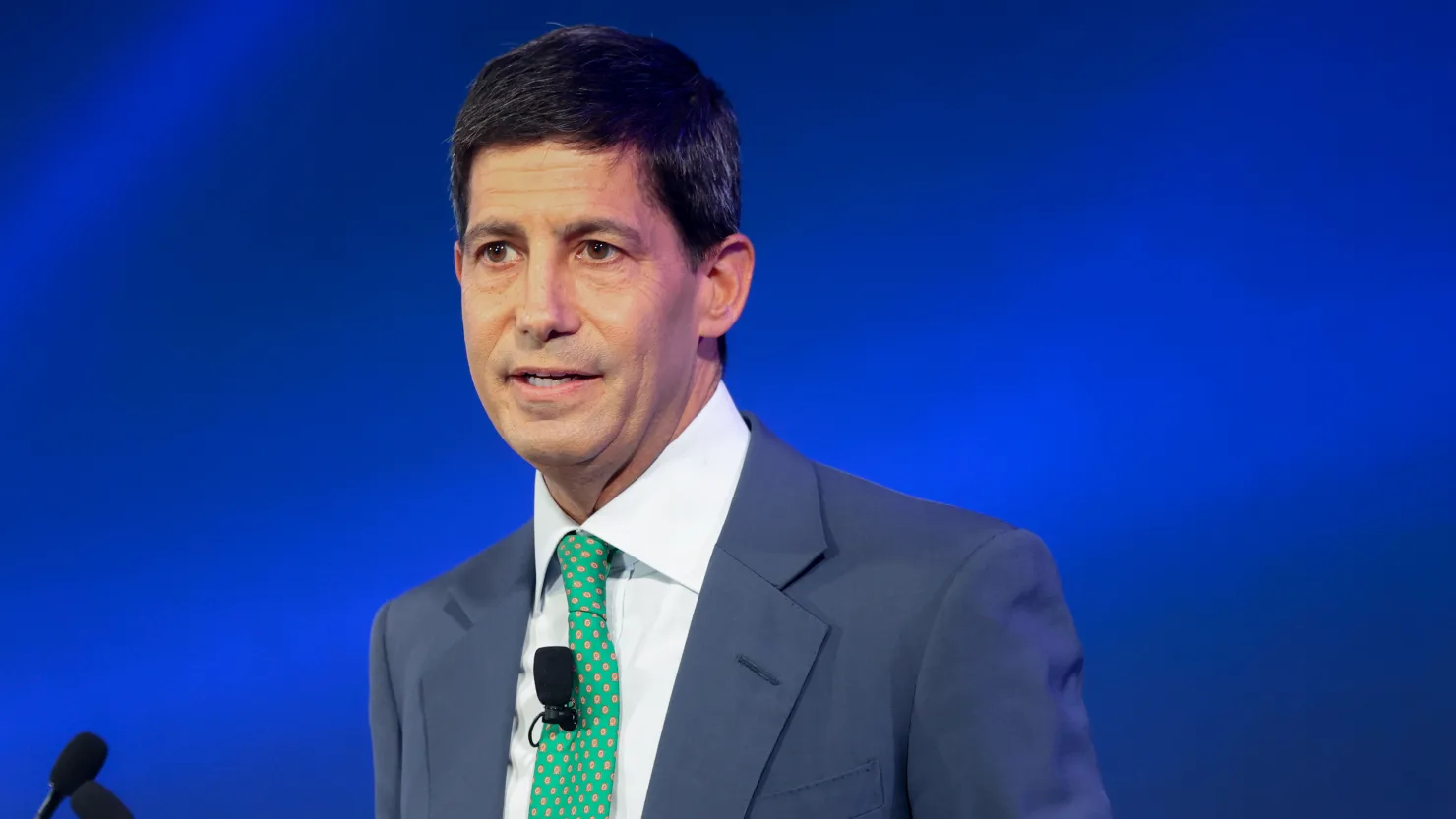
Kevin Warsh, originally on the Federal Reserve Board from 2006 to 2011, has been nominated by President Trump to return under different conditions. Warsh is known for his critique of the Fed’s post-crisis strategy and may adopt a more hawkish stance on inflation. His confirmation faces potential Senate challenges but is anticipated to garner bipartisan support.

International Stocks Surge: A New Era for U.S. Investors

International stocks are experiencing a resurgence, signaling a shift in investor behavior following a decade of underperformance compared to U.S. markets. Enhanced global economic conditions, favorable currency trends, and improved corporate governance in regions like Japan and Europe are driving renewed interest. Investors are increasingly reallocating funds to capture growth opportunities abroad.

Palantir CEO Advocates for Technology in Immigration Reform

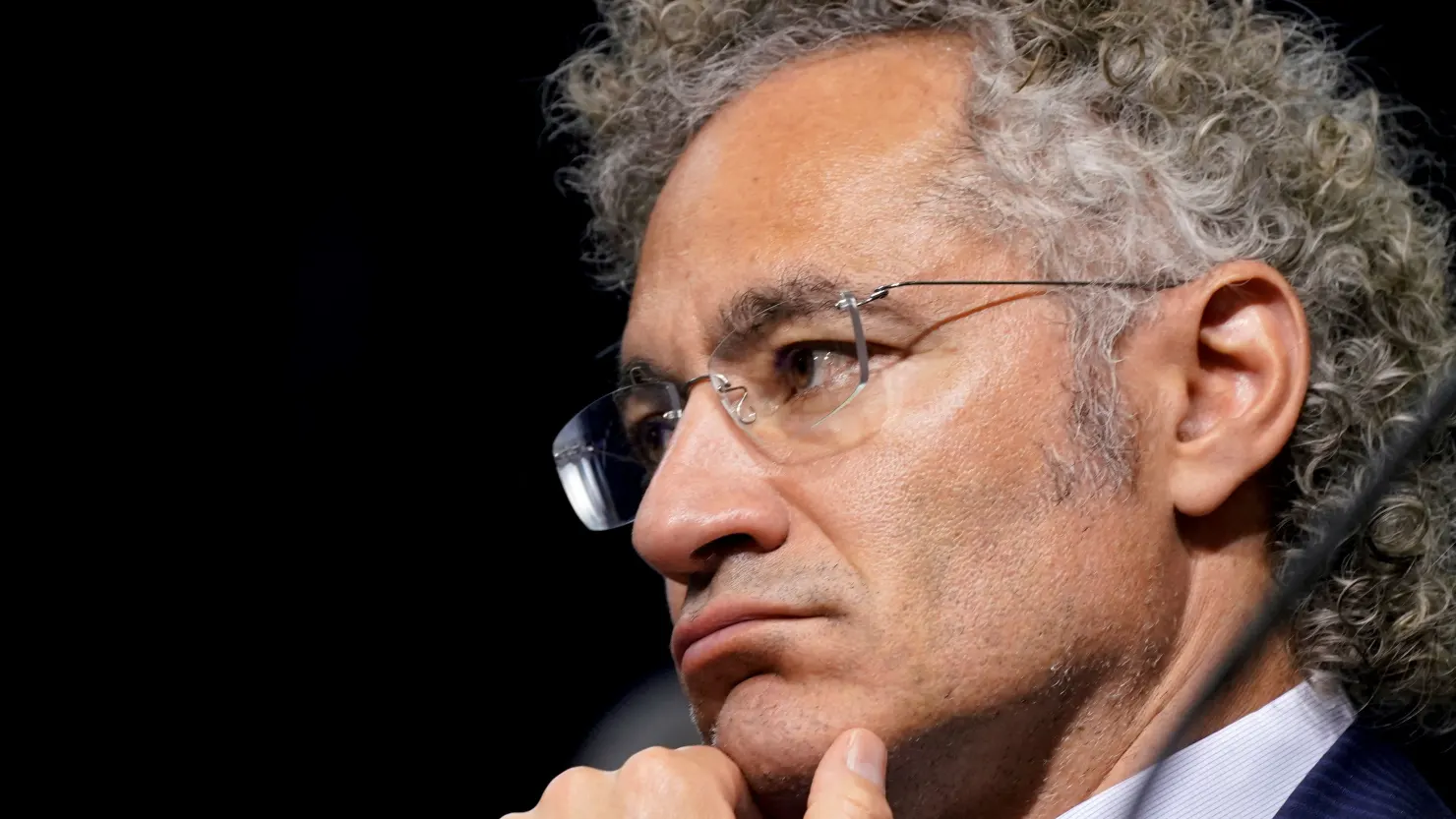
Palantir CEO Alex Karp asserted that critics of U.S. Immigration and Customs Enforcement should support broader use of his company’s technology, citing its adherence to Fourth Amendment protections. His comments arise amid rising protests against ICE in Minneapolis. Karp emphasizes his software’s potential to enhance efficiency while safeguarding civil liberties.

Why Family Offices Prefer Co-Investment Strategies

In recent years, ultra-wealthy family offices have shifted toward direct investments in private companies, seeking transparency and control. Many adopt a hybrid model, co-investing alongside private equity funds to leverage expertise while avoiding high fees. Despite some limitations, this strategy allows families to navigate private markets more effectively and efficiently.