Dollar rebounds as fears of renewed U.S.-China trade feud abate

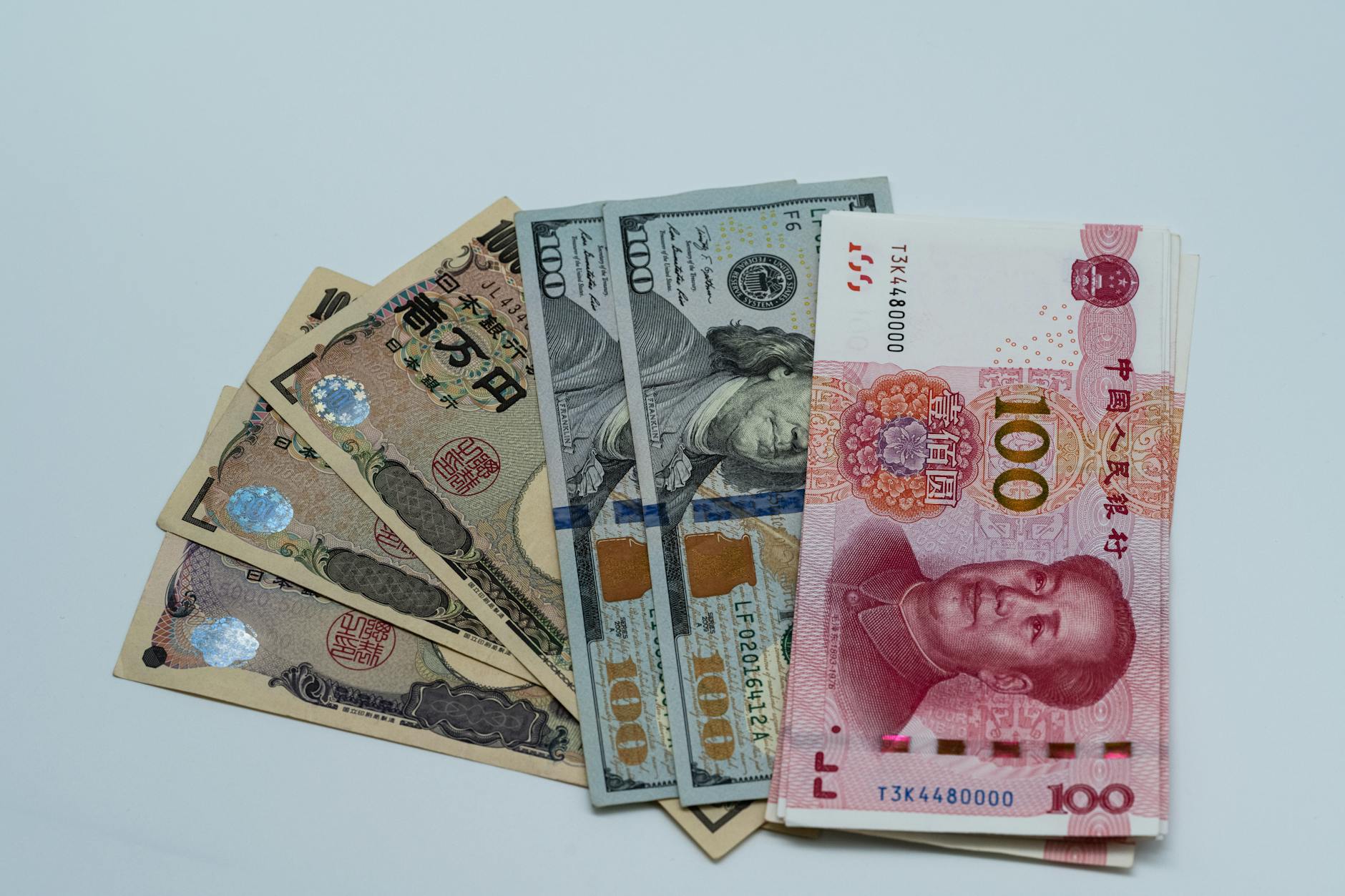
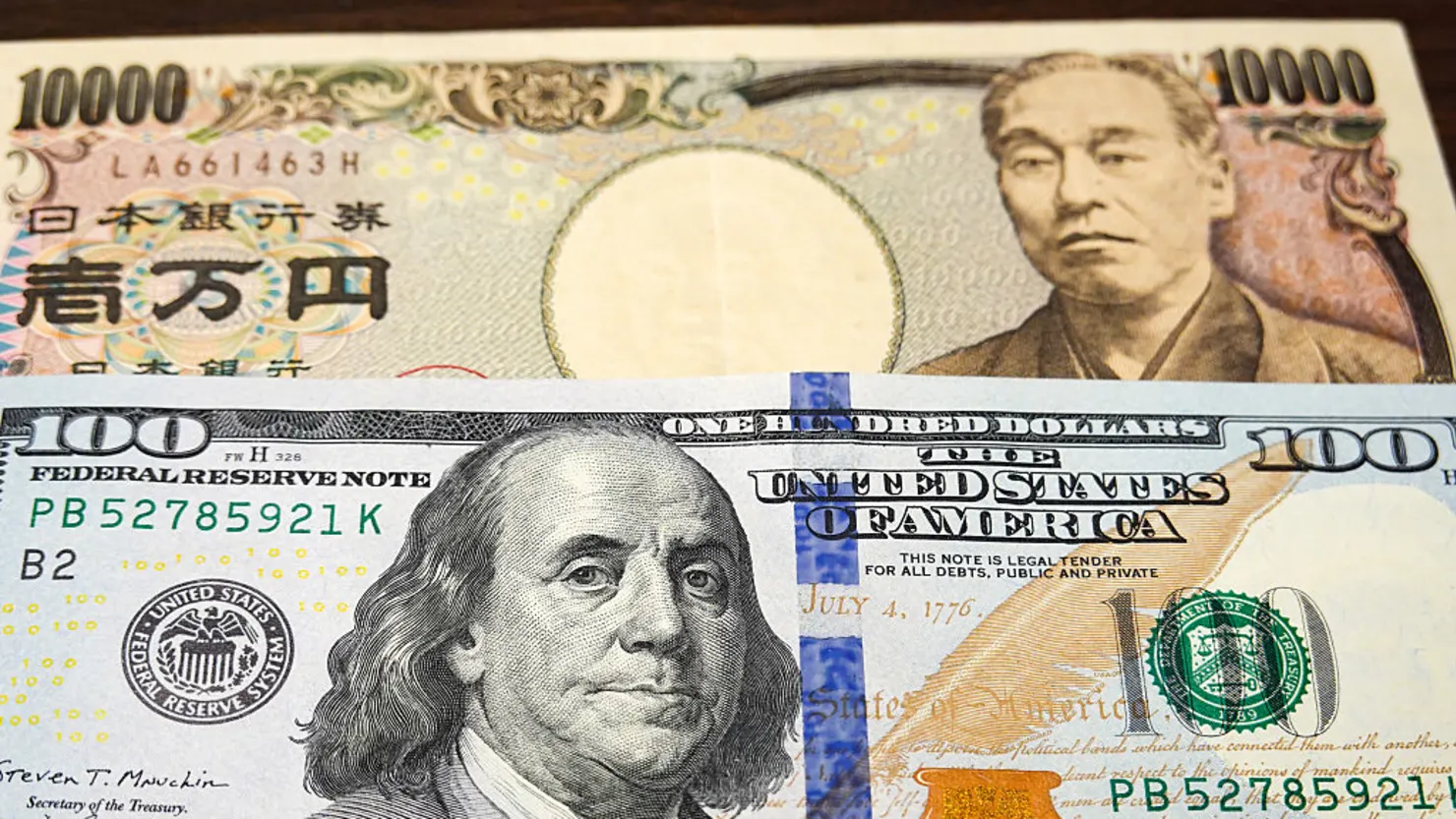
On Tuesday, the U.S. dollar remained stable, reflecting optimism over easing U.S.-China trade tensions after President Trump softened his tariff stance. Plans for a meeting with President Xi Jinping boosted confidence, while the euro stayed below $1.16. The yen weakened amid political uncertainties, and cryptocurrencies saw further declines driven by volatility.

Retaliation or escalation? Trust between the U.S. and China is fading fast, analysts say

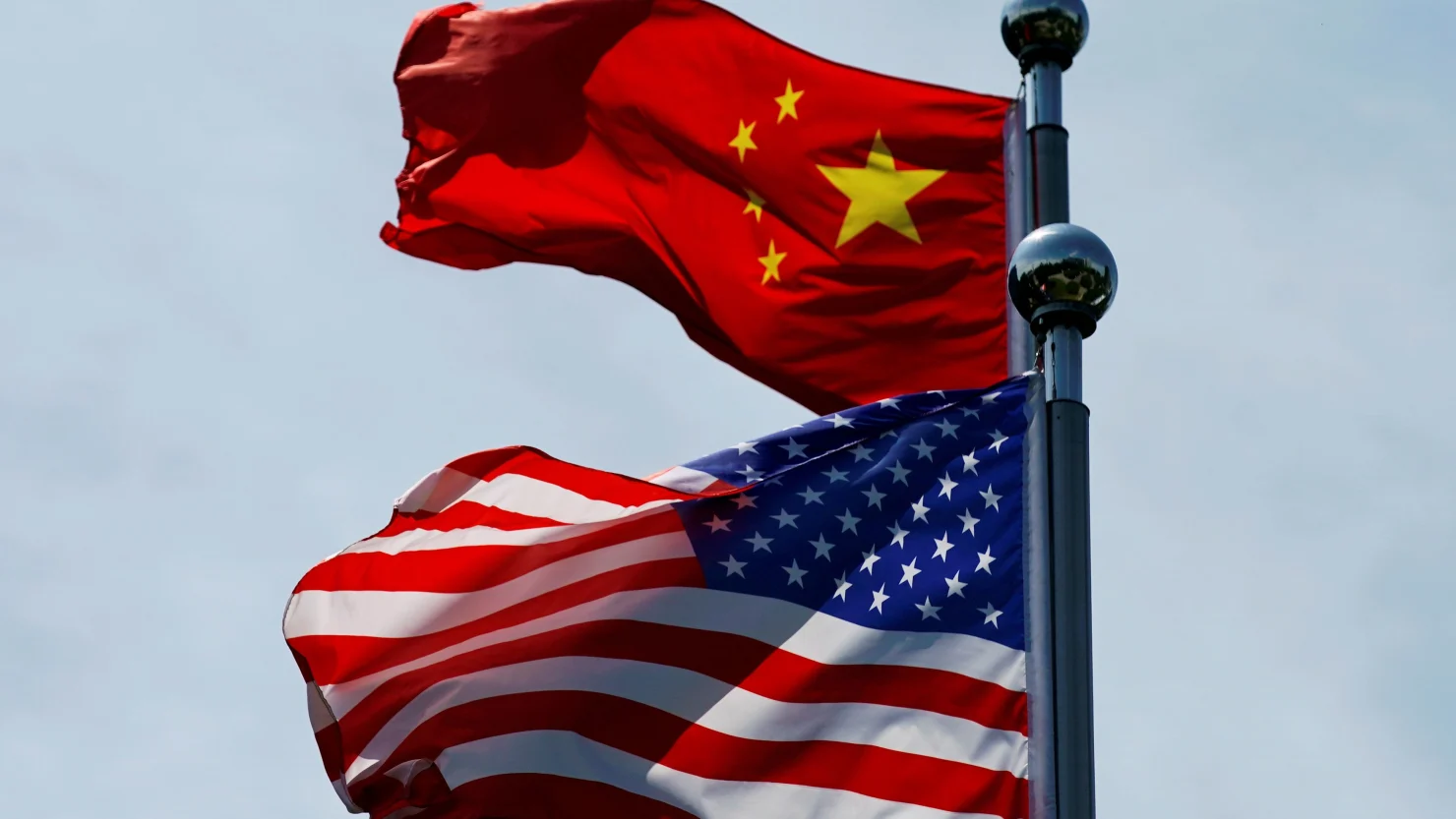
The tension between the U.S. and China has escalated, marked by China’s new rare earth export controls and blacklisting of U.S. firms, prompting President Trump to threaten increased tariffs. Analysts highlight mutual distrust as a key issue, noting that misinterpretations of each side’s actions could further complicate negotiations and worsen trade relations.

Active managers struggled ‘mightily’ to beat index funds amid volatility: report

A recent Morningstar report reveals that active investment managers struggled to outperform index funds between July 2024 and June 2025, with only one-third achieving better returns. This trend persists despite market volatility. Lower costs and consistent performance make index funds a more appealing option for most investors than actively managed funds, which continue to underperform overall.

Government shutdowns usually have little economic impact. This time could be different

Government shutdowns usually cause limited economic impact, but this time, potential permanent layoffs of federal employees could lead to significant consequences. Historically minimal disruptions might be exacerbated by a strained labor market. The shutdown could also delay crucial data, impacting monetary policy and household financial stability more severely than previous instances.

JPMorgan Chase is set to report third-quarter earnings – here’s what the Street expects

JPMorgan Chase will release its third-quarter earnings report, with expectations of $4.84 per share on $45.4 billion in revenue. Solid performance stems from robust trading, consumer spending, and a favorable regulatory environment. This week, other major banks will also report, highlighting the disparity between large institutions and regional lenders amidst market fluctuations.

Wealthy shoppers are splashing the cash on jewelry — so long as it’s the right brand

Despite a general slowdown in luxury spending, Richemont thrives in the high-end jewelry market, driven by brands like Van Cleef & Arpels and Cartier. While its watch division faces declines, the company’s jewelry sales surged 11%, highlighting a shift toward exclusivity. Analysts remain cautious about broader economic challenges affecting profitability.

Coffee and ‘chili crab’ ice cream: How luxury fashion brands are capturing Asian consumers

Luxury fashion brands like Ralph Lauren and Coach are shifting strategies, focusing on lifestyle experiences, particularly cafés, to connect with younger consumers. This experiential retail approach caters to Gen Z’s desire for self-expression and community, driving sales and social media engagement while redefining luxury beyond just products.

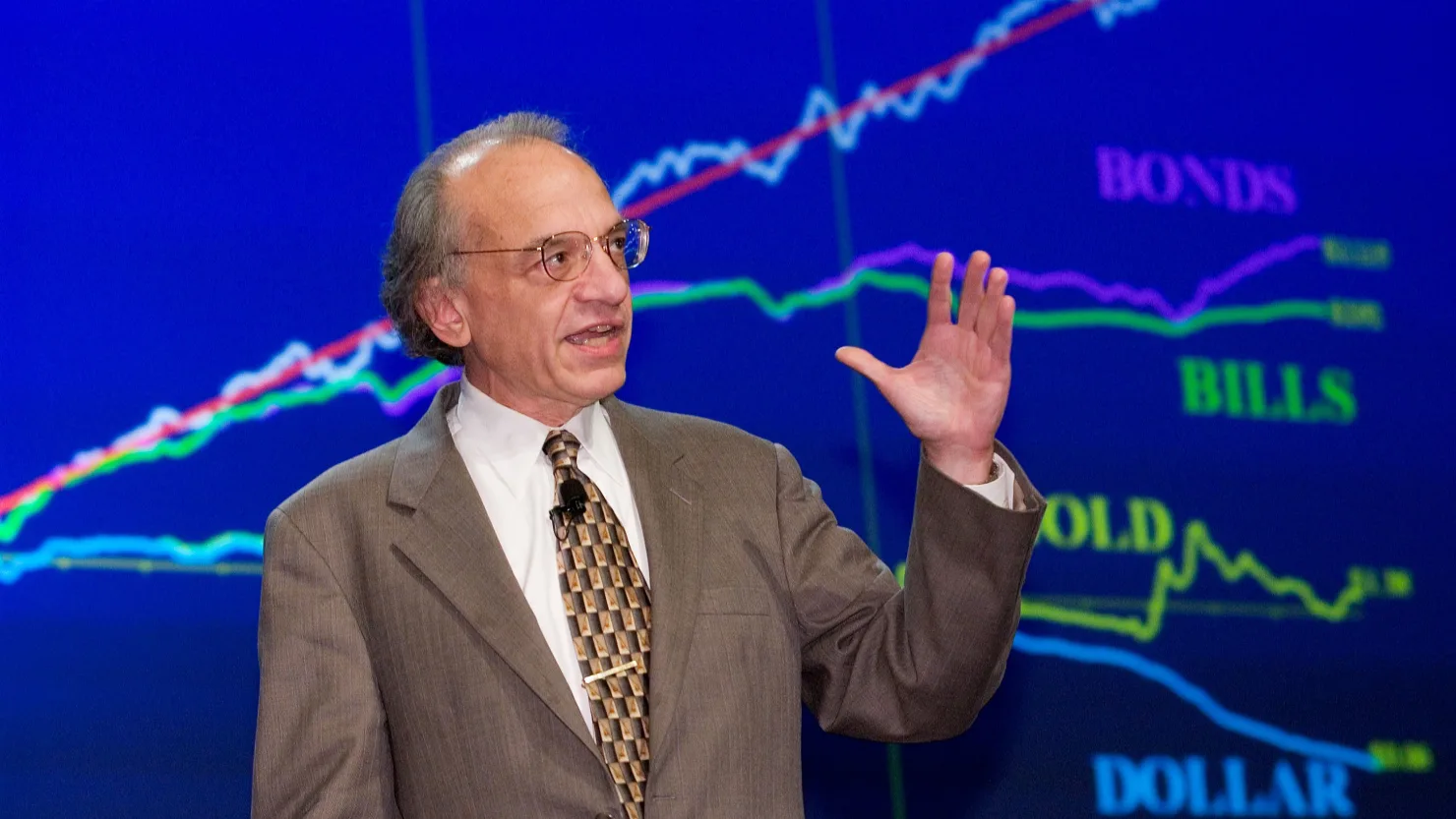
Wharton’s Jeremy Siegel says it’s ‘scandalous’ the U.S. doesn’t have a rare earths reserve

University of Pennsylvania’s Jeremy Siegel emphasizes the urgent need for a U.S. strategic reserve of rare earth metals, warning against China’s 90% global refining control amid U.S.-China trade tensions. He draws parallels to the 1970s energy crisis and remains optimistic about potential diplomatic resolutions, although market volatility has been significant.

Active managers struggled ‘mightily’ to beat index funds amid volatility from elections, tariffs, Morningstar finds

A Morningstar report indicates that actively managed funds lag behind passive funds, with only 33% outperforming comparable index funds from July 2024 to June 2025, a 14-point drop from the prior year. High fees and market volatility hinder active managers, leading to consistent underperformance, particularly in large-cap stocks.